
Health
Singapore Grapples with Organ Donation Shortage Amid 500 Patients Waiting

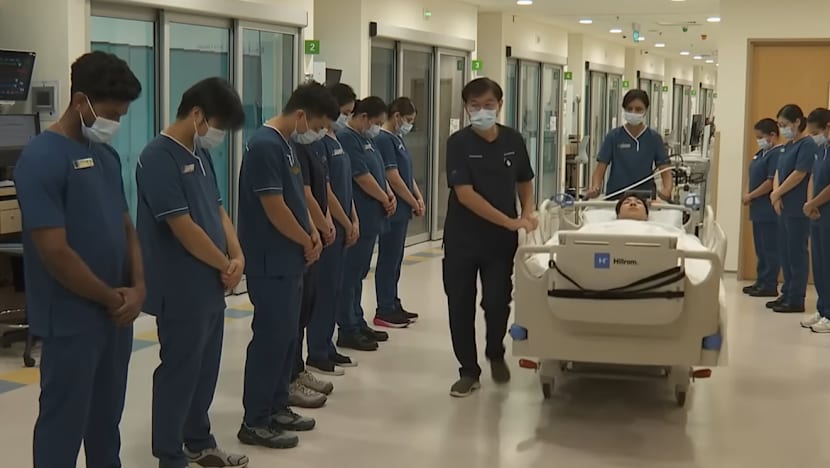
A significant shortage of organ donations in Singapore has left more than 500 patients awaiting transplants, with kidney patients experiencing the most severe scarcity. The situation highlights the urgent need for awareness and action regarding organ donation, as only 10 percent of those on the transplant waiting list received a transplant in the past year. The average wait time for an organ has now extended to nearly nine years, primarily due to a limited number of deceased organ donors, according to the Ministry of Health (MOH).
The solemn practice of an “honour walk” takes place in hospitals across Singapore, where healthcare staff pay tribute to organ donors as they are wheeled toward the operating theatre. Ms. Sally Kong, deputy director of the National Organ Transplant Unit (NOTU), emphasizes the importance of this gesture, noting that families appreciate the recognition of their loved ones’ contributions during a time of profound loss.
“Families have reacted very positively to this, because they can see how much the donation is being valued,” Kong explained. This emotional support is crucial for families grappling with grief as they navigate the complexities of organ donation.
Understanding Organ Donation Regulations
Organ donation in Singapore is regulated under two primary frameworks. The Human Organ Transplant Act applies to all Singapore citizens and permanent residents aged 21 and above who are not mentally disordered, unless they opt out. Those who choose to opt out will face lower priority on future transplant waiting lists. The opt-out rate has remained stable at around 3 percent annually.
The second framework, the Medical (Therapy, Education and Research) Act, allows individuals aged 18 and above, regardless of nationality, to pledge organs, tissues, or their entire bodies for transplants, education, or research. An average of approximately 800 people have made such pledges annually over the past five years.
Despite these frameworks, challenges persist. Organ donation may not proceed for various reasons, including unsuitable medical conditions or lack of consent from a donor’s next-of-kin. Last year, 16 patients with end-stage kidney failure did not receive transplants due to these issues. An MOH spokesperson highlighted the necessity of discussing organ donation preferences with loved ones to ensure informed decisions can be made during tough times.
Kong shared a poignant example of a donor’s family facing uncertainty. A son expressed doubt about whether his mother fully understood her decision to donate. The healthcare team provided support during this difficult period, ultimately helping him find solace in the knowledge that his mother’s donation would save multiple lives. “After the donation, he expressed gratitude to the team for being there for him,” Kong noted, illustrating the profound impact such support can have.
Campaigns and Initiatives for Awareness
Regular training for healthcare workers on navigating these sensitive conversations is now standard practice as part of end-of-life care. The MOH has also initiated the “Live On” campaign to encourage wider discussions about organ donation in Singapore. Citizens can update their donor status through the Organ Donor Registry using Singpass, making it easier for individuals to communicate their wishes.
In addition to organ donations, the issue of brain donations has gained attention. Managed by both NOTU and Brain Bank Singapore, the region’s first tissue bank dedicated to studying neurological disorders, brain donations are a vital area of research. Recently, there have been calls for a unified national registry for organ, body, and brain donations, particularly following a parliamentary inquiry by Dr. Choo Pei Ling, a neurologist and Member of Parliament.
While the MOH cited established processes between existing registries, Dr. Choo acknowledged the complexity of the current system. She noted that addressing the information gap between the public and the Ministry could enhance understanding and encourage more Singaporeans to pledge the gift of life.
The need for organ donations in Singapore is immediate and pressing, underscoring the importance of community engagement and education. As the healthcare system continues to adapt, raising awareness and fostering open conversations about organ donation will be crucial in addressing the significant waiting list and saving lives.

K-pop Dance Groups Seek New Spaces After Marina Bay Sands Ban

Singapore Grapples with Organ Donation Shortage as 500 Await Transplants

Beijing Unveils World’s First Consumer Robot Shopping Centre

K-Pop Dance Crews Seek New Venues After Marina Bay Sands Ban

Singapore Grapples with Organ Donation Shortage Amid 500 Patients Waiting

Shoppers Embrace Innovation at Beijing’s First Robot Mall

US Report Identifies Urgent Actions to Deter Chinese Aggression

Taiwanese Researchers Develop EEG Model to Identify Internet Addiction

Norwegian Skier Alexander Steen Olsen Out of 2026 Olympics After Surgery

Kenvue Dismisses CEO Thibaut Mongon as Strategic Review Advances

Humanism Camp Engages 250 Youths in Summer Fest 2025

De Minaur Triumphs at Washington Open After Thrilling Comeback

South Korea’s Foreign Minister Cho Hyun to Visit China This Week

Tupou and Daugunu Join First Nations Squad for Lions Clash

Colombian Senator Miguel Uribe Shows Signs of Recovery After Attack

ASEAN Gears Up for Historic Joint Meeting of Foreign and Economic Ministers

New Study Challenges Assumptions About Aging and Inflammation

Starling Bank Plans Secondary Share Sale, Targeting $5.4 Billion Valuation
-
 Business5 months ago
Kenvue Dismisses CEO Thibaut Mongon as Strategic Review Advances
-
 Lifestyle5 months ago
Humanism Camp Engages 250 Youths in Summer Fest 2025
-
 Sports5 months ago
De Minaur Triumphs at Washington Open After Thrilling Comeback
-
 World3 months ago
South Korea’s Foreign Minister Cho Hyun to Visit China This Week
-
 Sports5 months ago
Tupou and Daugunu Join First Nations Squad for Lions Clash
-
 Top Stories5 months ago
Colombian Senator Miguel Uribe Shows Signs of Recovery After Attack
-
 World5 months ago
ASEAN Gears Up for Historic Joint Meeting of Foreign and Economic Ministers
-
 Health5 months ago
New Study Challenges Assumptions About Aging and Inflammation
-
 Business3 months ago
Starling Bank Plans Secondary Share Sale, Targeting $5.4 Billion Valuation
-

 Business5 months ago
Oil Prices Surge Following New EU Sanctions on Russia
-

 Entertainment5 months ago
Detaşe-Sabah Violin Ensemble Captivates at Gabala Music Festival
-

 Entertainment5 months ago
Baku Metro Extends Hours for Justin Timberlake Concert