
Science
New Brain Stent Shows Promise for Stroke Treatment in India

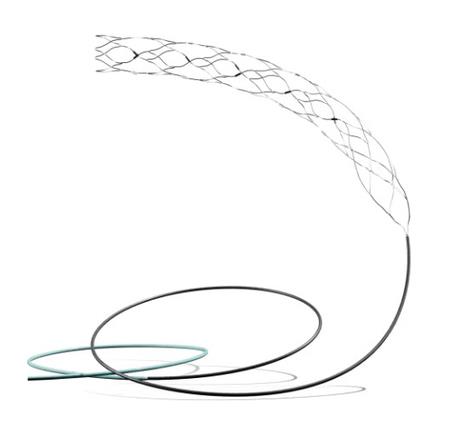
A new brain treatment device, the Supernova Stent, has shown promising results in clinical trials for stroke patients. Conducted by experts at AIIMS Delhi, the study marks a significant advancement in stroke care, particularly in India. This ambitious trial, known as the GRASSROOT trial, is the first of its kind to focus on the effectiveness of the Supernova Stent in a multicentre format.
The preliminary results, shared by Dr. Shailesh B. Gaikwad, Professor and Head of the Department of Neuroimaging & Interventional Neuroradiology at AIIMS Delhi, indicate that the device is both safe and effective. “This trial is a turning point for stroke treatment in India,” he stated. The preliminary findings were published in the Journal of Neurointerventional Surgery, further validating the study’s impact.
In the trial, the Supernova stent retriever demonstrated a high success rate in restoring blood flow, with a brain bleed rate of just 3.1 percent and a mortality rate of 9.4 percent. Additionally, 50 percent of patients achieved functional independence within 90 days after treatment. These results are particularly noteworthy given the rising incidence of strokes among younger individuals in India, where the demographic differs from Western countries.
Developed by Gravity Medical Technology, the Supernova Stent aims to cater specifically to India’s diverse patient population. Earlier this year, the trial’s data received approval from the Central Drugs Standard Control Organisation (CDSCO), allowing for the stent’s routine use in India. The GRASSROOT trial was conducted across eight medical centres, confirming the device’s efficacy in treating life-threatening strokes.
The successful outcomes of this trial not only enhance stroke treatment in India but also align with the country’s Make-in-India initiative, positioning India as a notable player in advanced stroke care. Dr. Dileep Yavagal, a Professor of Neurology and Neurosurgery at the University of Miami, highlighted the broader implications of the device. “The device has already treated more than 300 patients in Southeast Asia and will now be manufactured and available in India at affordable prices, offering new hope to the 1.7 million Indians who suffer strokes each year,” he said.
The introduction of the Supernova Stent represents a significant milestone in the ongoing efforts to enhance healthcare accessibility and outcomes for stroke patients in India. As more patients gain access to this innovative technology, it is anticipated that the overall treatment landscape for strokes in the country will improve dramatically.

Spotify Restores Service After Global Outage Affects Thousands

Travellers Urged to Vaccinate Before Year-End Getaways

MEDEZE Group Earns 2025 Company of the Year Award in Southeast Asia

European Leaders Must Forge Response to US ‘Civilizational Erasure’ Claim

LivingPhoenix Unveils Groundbreaking Biomimetic Collagen Technology

WRU Aims to Retain Talent After Morgan and Lake Join Gloucester

European Leaders Face “Civilizational Erasure” Claims as US Strategy Shifts

LivingPhoenix Innovates with Groundbreaking Biomimetic Collagen Technology

Messi Concludes India Tour with Enthusiastic Fans and Chaos

Kenvue Dismisses CEO Thibaut Mongon as Strategic Review Advances

Humanism Camp Engages 250 Youths in Summer Fest 2025

De Minaur Triumphs at Washington Open After Thrilling Comeback

Tupou and Daugunu Join First Nations Squad for Lions Clash

Colombian Senator Miguel Uribe Shows Signs of Recovery After Attack

ASEAN Gears Up for Historic Joint Meeting of Foreign and Economic Ministers

New Study Challenges Assumptions About Aging and Inflammation

Oil Prices Surge Following New EU Sanctions on Russia

South Korea’s Foreign Minister Cho Hyun to Visit China This Week
-
 Business5 months ago
Kenvue Dismisses CEO Thibaut Mongon as Strategic Review Advances
-
 Lifestyle5 months ago
Humanism Camp Engages 250 Youths in Summer Fest 2025
-
 Sports5 months ago
De Minaur Triumphs at Washington Open After Thrilling Comeback
-
 Sports5 months ago
Tupou and Daugunu Join First Nations Squad for Lions Clash
-
 Top Stories5 months ago
Colombian Senator Miguel Uribe Shows Signs of Recovery After Attack
-
 World5 months ago
ASEAN Gears Up for Historic Joint Meeting of Foreign and Economic Ministers
-
 Health5 months ago
New Study Challenges Assumptions About Aging and Inflammation
-
 Business5 months ago
Oil Prices Surge Following New EU Sanctions on Russia
-
 World3 months ago
South Korea’s Foreign Minister Cho Hyun to Visit China This Week
-

 Entertainment5 months ago
Detaşe-Sabah Violin Ensemble Captivates at Gabala Music Festival
-

 Business3 months ago
Starling Bank Plans Secondary Share Sale, Targeting $5.4 Billion Valuation
-

 Entertainment5 months ago
Baku Metro Extends Hours for Justin Timberlake Concert