
Health
Sehat Card Program Aids Over 1 Million Patients in KP, Spending Hits Rs31.66Bn

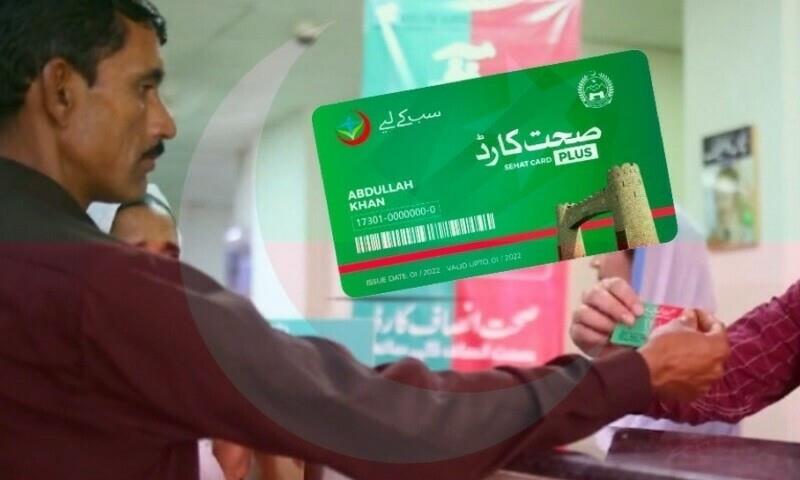
The Sehat Card program in Khyber Pakhtunkhwa (KP) has significantly aided over a million residents this year, with total expenditures reaching Rs31.66 billion for free medical treatment from January to November 2025. Initiated to support low and middle-income families, the program continues to make a substantial impact on healthcare accessibility throughout the province.
According to the KP Health Department, a total of 1,085,110 patients received treatment under the Sehat Card program during this period. The majority of the funding was allocated to patients requiring serious medical interventions, including complex surgeries often unavailable in basic healthcare settings. Notably, more than 631,000 patients benefited from these advanced treatments, incurring costs exceeding Rs23 billion.
Among the procedures covered, major cardiac surgeries, cancer treatments, brain and spinal surgeries, and kidney transplants constituted a significant portion of the expenses. In contrast, over 452,000 patients availed themselves of more routine medical care, which accounted for approximately Rs8.15 billion in costs.
Public and Private Healthcare Contributions
The data reveals that over 692,000 patients received treatment at public hospitals, costing Rs17.44 billion. Meanwhile, private healthcare facilities catered to more than 333,000 patients, with expenses reaching Rs11.51 billion. Additionally, thousands of patients were treated at hospitals operating under public-private partnership models, enhancing the program’s reach.
Gender analysis shows that women were the primary beneficiaries, with over 585,000 women treated compared to approximately 499,000 men. Despite this disparity in patient numbers, the overall expenditure for both genders remained relatively equal.
Heart disease treatments topped the expenditure list, with costs for over 52,000 cardiac patients alone totaling Rs8.16 billion. Cancer treatment also represented a considerable financial commitment, exceeding Rs3 billion. While kidney-related issues involved a larger patient demographic, their overall costs were lower compared to cardiac and cancer treatments. Other significant areas of care included maternity services, general surgery, and bladder-related diseases.
Regional Insights and Future Considerations
Peshawar emerged as the district with the highest utilization of the Sehat Card program, with more than 100,000 patients receiving treatment at a cost of over Rs3.35 billion. Other districts such as Swat, Mardan, Charsadda, and Lower Dir also exhibited high participation rates. Conversely, remote and underdeveloped areas reported lower patient numbers, attributed to limited access to healthcare facilities.
Health officials emphasized the program’s role in alleviating the financial burden on low and middle-income families. They recognized that while the Sehat Card program has been beneficial, the escalating costs associated with treating complex diseases like heart conditions and cancer exert continuous pressure on the provincial health budget.
To enhance healthcare access and reduce financial strain, officials suggested that bolstering district-level hospitals could be a viable solution. Strengthening local healthcare infrastructure not only aims to improve patient access but also to mitigate the financial demands placed on the Sehat Card program, ensuring its sustainability for those in need.

Japan-China Tensions Escalate Following Prime Minister’s Remarks

Sacha Leong Returns to Redesign Odette a Decade After Launch

TikTok Agrees to Sell US Division to American Investor Group

Discover the Top Airlines for Economy Class Comfort in 2025

Nexi Rejects TPG’s Bid for Digital Banking Unit

Nexi Rejects TPG’s Bid for Digital Banking Division in Italy

Release of ‘Sahakutumbaanaam’ Delayed Again, New Date Set

Sehat Card Program Aids Over 1 Million Patients in KP, Spending Hits Rs31.66Bn

Startek Australia Wins Employer of Choice and Business Excellence Awards

Humanism Camp Engages 250 Youths in Summer Fest 2025

Kenvue Dismisses CEO Thibaut Mongon as Strategic Review Advances

De Minaur Triumphs at Washington Open After Thrilling Comeback

South Korea’s Foreign Minister Cho Hyun to Visit China This Week

Tupou and Daugunu Join First Nations Squad for Lions Clash

Colombian Senator Miguel Uribe Shows Signs of Recovery After Attack

ASEAN Gears Up for Historic Joint Meeting of Foreign and Economic Ministers

New Study Challenges Assumptions About Aging and Inflammation

Oil Prices Surge Following New EU Sanctions on Russia
-
 Lifestyle5 months ago
Humanism Camp Engages 250 Youths in Summer Fest 2025
-
 Business5 months ago
Kenvue Dismisses CEO Thibaut Mongon as Strategic Review Advances
-
 Sports5 months ago
De Minaur Triumphs at Washington Open After Thrilling Comeback
-
 World3 months ago
South Korea’s Foreign Minister Cho Hyun to Visit China This Week
-
 Sports5 months ago
Tupou and Daugunu Join First Nations Squad for Lions Clash
-
 Top Stories5 months ago
Colombian Senator Miguel Uribe Shows Signs of Recovery After Attack
-
 World5 months ago
ASEAN Gears Up for Historic Joint Meeting of Foreign and Economic Ministers
-
 Health5 months ago
New Study Challenges Assumptions About Aging and Inflammation
-
 Business5 months ago
Oil Prices Surge Following New EU Sanctions on Russia
-

 Business3 months ago
Starling Bank Plans Secondary Share Sale, Targeting $5.4 Billion Valuation
-

 Entertainment5 months ago
Detaşe-Sabah Violin Ensemble Captivates at Gabala Music Festival
-

 Entertainment5 months ago
Baku Metro Extends Hours for Justin Timberlake Concert