
Politics
Selective Secularism in India: Controversies in Tamil Nadu and Bengal

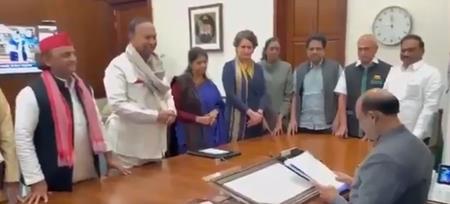
The recent controversy surrounding the centuries-old Deepam lighting ritual in Tamil Nadu highlights a troubling trend in India’s political landscape: the selective application of secularism. While this cultural practice, deeply rooted in Tamil Hindu life, has been framed as a potential threat to communal harmony, attempts to resurrect the Babri Masjid narrative in West Bengal have elicited little to no backlash.
The lighting of lamps during Karthigai Deepam, celebrated on December 3, 2023, was permitted by the Madurai Bench of the Madras High Court. This decision, however, ignited a swift political reaction. Instead of supporting the judicial ruling, state authorities appeared obstructive, transforming a long-standing religious tradition into a contentious issue. Opposition parties expressed outrage, questioning the impartiality of the judicial system and even calling for impeachment proceedings against the presiding judge. The underlying message was clear: a Hindu ritual, even when legally sanctioned, could be perceived as provocative when it conflicts with certain political ideologies.
In stark contrast, the situation in West Bengal reveals a different narrative. Efforts to revive the Babri Masjid discourse, which had been settled through judicial processes decades ago, have not faced similar condemnation from political figures. While a Trinamool Congress legislator was temporarily suspended for their comments, the broader political environment remained largely supportive, with the INDIA bloc—typically vocal on communal issues—choosing silence. This inconsistency raises critical questions about the selective nature of political discourse surrounding secularism.
In West Bengal, religious events such as Ram Navami processions and Durga immersion ceremonies have often been subject to strict regulations and heightened police presence. Conversely, other religious gatherings frequently proceed without similar restrictions. When tensions arise, accountability for administrative bias is rarely acknowledged, and blame is often shifted towards perceived provocations.
What connects the Deepam controversy in Tamil Nadu and the Babri Masjid rhetoric in Bengal is not merely religion; it is the underlying power dynamics associated with electoral politics. Selective secularism has become a tool for various opposition parties, which portray Hindu cultural expressions as needing regulation, while minority politics escape similar scrutiny. This tactic appears aimed more at maintaining and expanding vote banks than at fostering true communal harmony.
India’s Constitution does not endorse this disparity. Article 25 guarantees all citizens the freedom to profess, practice, and propagate their religion, subject only to public order, morality, and health. It does not prioritize one faith over another, nor does it permit the state to interpret “harmony” selectively for political gain. Dr. B.R. Ambedkar, the principal architect of the Constitution, warned against misusing constitutional principles for partisan purposes. He envisioned a secularism that respects all religious expressions equally and prevents the state from favoring or discriminating against any group.
A truly secular state should not fear the lighting of a lamp, nor should it keep historical disputes alive for political advantage. To achieve genuine harmony, all religions must receive equal respect and consideration. Those who are vocal about the Deepam lighting controversy while remaining silent about the Babri Masjid narrative must recognize that cultural practices are not threats. The majority faith should not face disproportionate constraints for the sake of harmony.
Voters have become increasingly aware of these double standards. They can differentiate between genuine neutrality and bias, as well as between inclusion and appeasement. Attempts to selectively moralize faith are no longer going unchallenged; instead, they invite skepticism and resistance. The controversies surrounding the Deepam lighting in Tamil Nadu and the Babri Masjid in West Bengal expose the weaknesses in contemporary secular rhetoric, signaling a shift in voter perception that may have significant implications for future political landscapes.

European Leaders Must Forge Response to US ‘Civilizational Erasure’ Claim

LivingPhoenix Unveils Groundbreaking Biomimetic Collagen Technology

WRU Aims to Retain Talent After Morgan and Lake Join Gloucester

European Leaders Face “Civilizational Erasure” Claims as US Strategy Shifts

LivingPhoenix Innovates with Groundbreaking Biomimetic Collagen Technology

Messi Concludes India Tour with Enthusiastic Fans and Chaos

Singapore Airlines and Cathay Pacific: A Business Class Showdown

Australian Jews Mourn and Demand Action After Bondi Terror Attack

Pakistan Cuts Key Interest Rate to 10.5% in Unexpected Move

Kenvue Dismisses CEO Thibaut Mongon as Strategic Review Advances

Humanism Camp Engages 250 Youths in Summer Fest 2025

De Minaur Triumphs at Washington Open After Thrilling Comeback

Tupou and Daugunu Join First Nations Squad for Lions Clash

Colombian Senator Miguel Uribe Shows Signs of Recovery After Attack

ASEAN Gears Up for Historic Joint Meeting of Foreign and Economic Ministers

New Study Challenges Assumptions About Aging and Inflammation

Oil Prices Surge Following New EU Sanctions on Russia

South Korea’s Foreign Minister Cho Hyun to Visit China This Week
-
 Business5 months ago
Kenvue Dismisses CEO Thibaut Mongon as Strategic Review Advances
-
 Lifestyle5 months ago
Humanism Camp Engages 250 Youths in Summer Fest 2025
-
 Sports5 months ago
De Minaur Triumphs at Washington Open After Thrilling Comeback
-
 Sports5 months ago
Tupou and Daugunu Join First Nations Squad for Lions Clash
-
 Top Stories5 months ago
Colombian Senator Miguel Uribe Shows Signs of Recovery After Attack
-
 World5 months ago
ASEAN Gears Up for Historic Joint Meeting of Foreign and Economic Ministers
-
 Health5 months ago
New Study Challenges Assumptions About Aging and Inflammation
-
 Business5 months ago
Oil Prices Surge Following New EU Sanctions on Russia
-
 World3 months ago
South Korea’s Foreign Minister Cho Hyun to Visit China This Week
-

 Entertainment5 months ago
Detaşe-Sabah Violin Ensemble Captivates at Gabala Music Festival
-

 Business3 months ago
Starling Bank Plans Secondary Share Sale, Targeting $5.4 Billion Valuation
-

 Entertainment5 months ago
Baku Metro Extends Hours for Justin Timberlake Concert