
Business
Taiwan Government Blocks Revenue Allocation Changes Amid Tensions

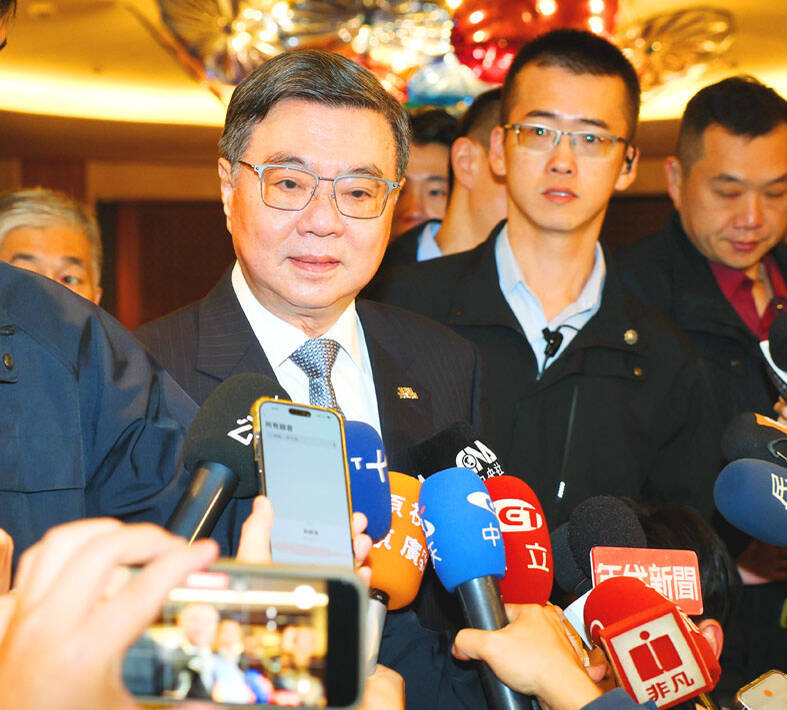
The Taiwanese government has blocked a significant amendment to its revenue allocation law, a decision that has raised concerns about fiscal stability and governance. According to sources, the Presidential Office and the Executive Yuan have opted for “no countersignature and no promulgation” on the amendment passed by the Legislative Yuan on November 14, 2023. This marks a historic first for the nation.
President William Lai is set to address the public on this matter, with details to follow on a news conference led by Premier Cho Jung-tai. The amendments aimed to increase the share of central government revenue allocated to local governments and introduced a minimum budget of project-based subsidies, which would elevate expenses by approximately NT$264.6 billion (US$8.48 billion).
The Executive Yuan has expressed that these amendments cannot be implemented without exceeding the statutory debt ceiling for the upcoming 2026 budget. Last month, the Cabinet requested that the Legislative Yuan revisit these amendments, but the opposition rejected this request by a vote of 59-50, opting to uphold the original legislation. Critics argue that Cho’s refusal is motivated by a desire to maintain central control over government revenues rather than facilitating local governance.
Cho indicated that the Executive Yuan might disregard the amendments, claiming he felt “under no pressure to execute” them due to perceived procedural flaws during their review. During a recent meeting of the Democratic Progressive Party (DPP), which included all 51 DPP lawmakers and Cabinet Secretary-General Xavier Chang, the caucus expressed full support for any measures the Cabinet might adopt in response to this situation.
DPP caucus chief Chung Chia-pin noted that with the Constitutional Court currently inactive, Lai has urged Cho to consider not countersigning the amendment, which would prevent the president from promulgating the legislation. The DPP lawmakers unanimously agreed to oppose what they perceive as potentially unconstitutional laws originating from the opposition.
Lai emphasized that these amendments, alongside the opposition’s blocking of a NT$1.25 trillion special defense budget, jeopardize national security, fiscal sustainability, and civil rights. He described the current situation as “grim” and stated it is essential for him to meet with the DPP legislative caucus to strategize a response.
In related developments, the Executive Yuan plans to adopt a similar “no countersignature and no promulgation” approach regarding amendments to the Civil Servants Retirement, Discharge and Pensions Act and the Public School Employee Retirement, Discharge and Pensions Act. These amendments, which were also passed by the Legislative Yuan, would suspend cuts to civil servants’ pensions and reverse fiscal reforms. Lai intends to invite Legislative Speaker Han Kuo-yu to a “National Affairs Tea Gathering” to discuss these issues, although Han has declined the invitation.
As Taiwan navigates these complex political dynamics, the implications of these decisions could significantly impact both local governance and national fiscal policies.

Spotify Restores Service After Global Outage Affects Thousands

Get Vaccinated: CDA Urges Travellers to Prioritise Health

Scottie Scheffler Secures Fourth Consecutive PGA Tour Player of the Year

Spotify Recovers After Global Outage Affects Thousands Worldwide

CDA Urges Vaccination for Safe Year-End Travel Season

MEDEZE Wins Frost & Sullivan’s 2025 Southeast Asia Company Award

Spotify Restores Service After Global Outage Affects Thousands

Travellers Urged to Vaccinate Before Year-End Getaways

MEDEZE Group Earns 2025 Company of the Year Award in Southeast Asia

Kenvue Dismisses CEO Thibaut Mongon as Strategic Review Advances

Humanism Camp Engages 250 Youths in Summer Fest 2025

De Minaur Triumphs at Washington Open After Thrilling Comeback

Tupou and Daugunu Join First Nations Squad for Lions Clash

Colombian Senator Miguel Uribe Shows Signs of Recovery After Attack

New Study Challenges Assumptions About Aging and Inflammation

ASEAN Gears Up for Historic Joint Meeting of Foreign and Economic Ministers

South Korea’s Foreign Minister Cho Hyun to Visit China This Week

Oil Prices Surge Following New EU Sanctions on Russia
-
 Business5 months ago
Kenvue Dismisses CEO Thibaut Mongon as Strategic Review Advances
-
 Lifestyle5 months ago
Humanism Camp Engages 250 Youths in Summer Fest 2025
-
 Sports5 months ago
De Minaur Triumphs at Washington Open After Thrilling Comeback
-
 Sports5 months ago
Tupou and Daugunu Join First Nations Squad for Lions Clash
-
 Top Stories5 months ago
Colombian Senator Miguel Uribe Shows Signs of Recovery After Attack
-
 Health5 months ago
New Study Challenges Assumptions About Aging and Inflammation
-
 World5 months ago
ASEAN Gears Up for Historic Joint Meeting of Foreign and Economic Ministers
-
 World3 months ago
South Korea’s Foreign Minister Cho Hyun to Visit China This Week
-
 Business5 months ago
Oil Prices Surge Following New EU Sanctions on Russia
-

 Entertainment5 months ago
Detaşe-Sabah Violin Ensemble Captivates at Gabala Music Festival
-

 Business3 months ago
Starling Bank Plans Secondary Share Sale, Targeting $5.4 Billion Valuation
-

 Entertainment5 months ago
Baku Metro Extends Hours for Justin Timberlake Concert