
Science
Nagaland University Transforms Pineapple Waste into Valuable Products

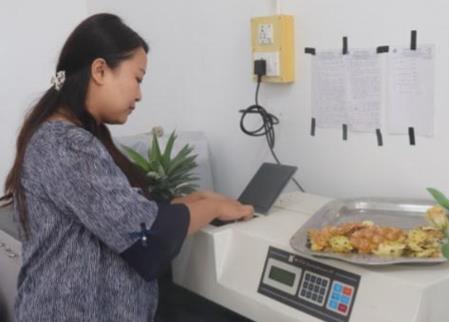
A research team from Nagaland University has developed innovative methods to convert pineapple processing waste into valuable products, as announced on December 8, 2023. This breakthrough offers a sustainable approach to both enhance rural livelihoods and mitigate the environmental impact of discarded fruit waste.
Pineapple is a significant tropical fruit globally, with India among its top producers. Within the country, Nagaland stands out for its sweet, juicy pineapples, particularly the popular ‘Kew’ variety. Government initiatives such as the Mission for Integrated Development of Horticulture (MIDH) and the Mission Organic Value Chain Development for the North Eastern Region (MOVCDNER) have promoted commercial pineapple farming, leading to increased cultivation in districts like Chumoukedima and Dimapur.
The processing of pineapples generates large amounts of waste, including peels, pomace, cores, and crowns, much of which is typically discarded. This waste not only contributes to landfill overflow but also carries significant environmental risks due to improper disposal methods. Yet, these by-products are rich in nutrients, including fiber, proteins, and vitamins.
Researchers from Nagaland University discovered that this waste can serve as a substrate for fermentation, particularly in vinegar production. The sugar-rich residues from pineapple waste are ideal for both alcoholic and acetic fermentation. The study revealed that vinegar made from pineapple peels was superior in terms of acidity, color, and flavor compared to traditional apple-based vinegar.
Prof. Akali Sema, the academic team leader, explained, “Using standard fermentation with yeast and acetic acid bacteria, we found that vinegar made from the peel consistently performed better.” Sensory evaluations confirmed that panels favored the peel-based vinegar for its taste and aroma, indicating its potential as a commercially viable product.
In addition to vinegar production, researchers are working on reducing crown sizes for export suitability and improving fruit quality and shelf life. Dr. Animesh Sarkar, an Associate Professor in the Department of Horticulture, emphasized the importance of staggered planting techniques to ensure a year-round supply of pineapples, which helps stabilize prices and enhances farmers’ incomes.
Dr. Sentinaro Walling, a research scholar, is pursuing a patent for a candy derived from pineapple core waste, further illustrating the potential of these agricultural by-products.
The impact of this research extends beyond academia. Prof. Jagadish K Patnaik, Vice Chancellor of Nagaland University, highlighted its significance for local communities. “This innovative step toward sustainable processing of agricultural by-products not only reduces waste but also opens new opportunities for entrepreneurship and community-based enterprises,” he stated.
This research showcases the university’s commitment to environmentally responsible innovation and rural livelihood enhancement. By transforming what was once considered waste into nutritious products, Nagaland University is paving the way for sustainable agricultural practices in the region. The unique geo-ecological conditions of Nagaland contribute to the exceptional quality of its pineapples, ensuring that these initiatives not only benefit producers but also appeal to consumers seeking high-quality fruit products.

Indonesia Passes Overhauled Criminal Procedure Code, Raises Concerns

Nagaland University Transforms Pineapple Waste into Valuable Products

Joey Barton Receives Suspended Sentence for Offensive Posts

Singapore Airlines and Cathay Pacific Battle for Boeing 777-300ER Dominance

Jeonbuk Motors Parts Ways with Coach Gus Poyet After Title Win

JERA Signs Historic LNG Export Deal with India’s Torrent Power

Thailand Conducts Airstrikes as Tensions Escalate with Cambodia

Jeonbuk Motors Announces Departure of Title-Winning Coach Gus Poyet

JERA Partners with Torrent Power for Long-Term LNG Supply Deal

Kenvue Dismisses CEO Thibaut Mongon as Strategic Review Advances

Humanism Camp Engages 250 Youths in Summer Fest 2025

De Minaur Triumphs at Washington Open After Thrilling Comeback

Tupou and Daugunu Join First Nations Squad for Lions Clash

Colombian Senator Miguel Uribe Shows Signs of Recovery After Attack

ASEAN Gears Up for Historic Joint Meeting of Foreign and Economic Ministers

New Study Challenges Assumptions About Aging and Inflammation

Oil Prices Surge Following New EU Sanctions on Russia

Detaşe-Sabah Violin Ensemble Captivates at Gabala Music Festival
-
 Business5 months ago
Kenvue Dismisses CEO Thibaut Mongon as Strategic Review Advances
-
 Lifestyle4 months ago
Humanism Camp Engages 250 Youths in Summer Fest 2025
-
 Sports4 months ago
De Minaur Triumphs at Washington Open After Thrilling Comeback
-
 Sports5 months ago
Tupou and Daugunu Join First Nations Squad for Lions Clash
-
 Top Stories5 months ago
Colombian Senator Miguel Uribe Shows Signs of Recovery After Attack
-
 World5 months ago
ASEAN Gears Up for Historic Joint Meeting of Foreign and Economic Ministers
-
 Health4 months ago
New Study Challenges Assumptions About Aging and Inflammation
-
 Business5 months ago
Oil Prices Surge Following New EU Sanctions on Russia
-
 Entertainment4 months ago
Detaşe-Sabah Violin Ensemble Captivates at Gabala Music Festival
-

 Entertainment4 months ago
Baku Metro Extends Hours for Justin Timberlake Concert
-

 Business5 months ago
U.S. House Approves Stablecoin Bill, Sends to Trump for Signature
-

 Top Stories5 months ago
Rethinking Singapore’s F&B Regulations Amid Business Closures