
Politics
Trump’s Criticism Highlights Europe’s Strategic Importance

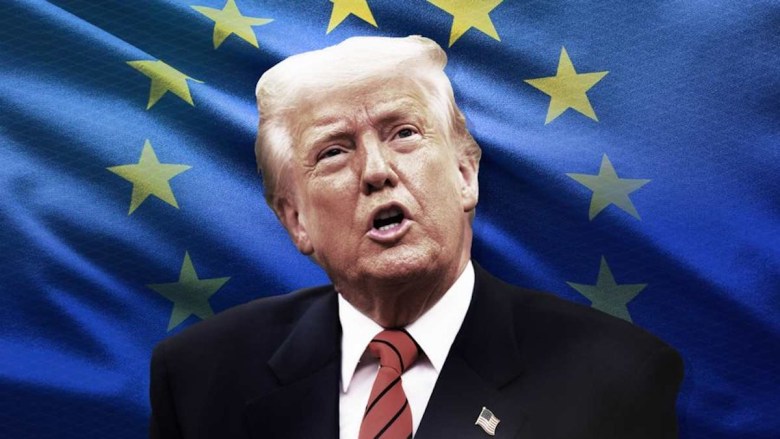
The recent criticisms from former U.S. President Donald Trump and his allies towards Europe underscore the continent’s critical role in global affairs. As Trump and his administration express negative views about European nations, the underlying question becomes clear: why do these America First proponents take the time to disparage Europe? The answer lies in the inherent significance of Europe, particularly in the context of geopolitical stability and support for Ukraine.
Since February 2022, when Russia initiated its full-scale invasion of Ukraine, European countries have provided nearly two-thirds of the military and financial assistance received by Ukraine, according to the Kiel Institute’s Ukraine Support Tracker. This statistic reveals that Europe is not merely a passive player but a formidable ally in the struggle against aggression, with its economy reportedly eight times larger than Russia’s, or ten times larger when including the United Kingdom.
European nations continue to support Ukraine despite the challenges they face, which presents a hurdle for an American administration keen on reestablishing business ties with Russia. While it is true that European companies trail behind their American counterparts in various technological sectors, the response from Trump and others to the European Union’s recent penalties for tech companies indicates a deeper concern. The EU imposed a fine of €120 million (approximately USD 141.3 million) on Elon Musk’s platform X for violating transparency rules. This regulatory action was mischaracterized as an assault on free speech by Trump and his supporters, rather than a lawful enforcement of established regulations.
The core of the issue is the perception of the European Union as a threat to American interests, particularly regarding large online tech platforms that rely on unfettered operations. The U.S. National Security Strategy has outlined a stance opposing the European Union as a supranational entity, which is based on the democratic will of its member states. This perspective overlooks the fact that the EU comprises 23 of the 27 NATO allies, presenting no real threat to American security.
Europe’s healthcare outcomes, welfare systems, and proactive stance on climate change and social inequalities serve as a mirror reflecting the U.S.’s own challenges. This comparison can be uncomfortable for some American leaders, drawing parallels between democratic Ukraine and the current Russian regime, which resonates with Trump’s narrative against European policies.
While Trump’s rhetoric may seem alarming, it should not be construed as a call to action for Europe, given that many of his claims are unfounded. European nations have already recognized the need to bolster military spending and expand their defense industries. In fact, European leaders should regard Trump’s attacks as a backhanded compliment, albeit disrespectful. They also signal the fragility of the political community that has underpinned Western stability for the past 80 years.
The notion of “The West” faces challenges as the U.S. adopts a combative stance towards its traditional allies while neglecting to address the threats posed by Russia and China. The current political landscape suggests that for the foreseeable future, Europe must operate independently, crafting its own decisions without waiting for American approval.
A pressing test for European unity and resolve will emerge in the coming weeks, particularly regarding financial support for Ukraine. The European Union plans to utilize emergency powers under Article 122 to freeze Russian central bank assets indefinitely, a move aimed at securing a loan of €140 billion for Ukraine. This action could prevent pro-Russian governments, such as Hungary’s, from obstructing the loan process.
European leaders must decisively support Ukraine to demonstrate their strength. The outcome of the December 18, 2023, meeting of the European Council will be pivotal, especially given the hesitance from countries like Belgium and Italy, which cite legal concerns but are also influenced by internal political divisions. The United Kingdom has indicated its readiness to support the loan should the EU proceed.
By acting decisively, Europe not only affirms its strength but also enhances Ukraine’s negotiating position against both Russia and the United States. Additionally, Europe could propose sending military forces to Ukraine to ensure its security in the event of a ceasefire with Russia. While Russia has threatened to consider any European troops in Ukraine as legitimate targets, such claims indicate a lack of seriousness regarding peace negotiations.
In conclusion, Europe must navigate this complex geopolitical landscape with assertiveness. Both Trump and Russia’s assertions should be viewed as challenges to be met with resolve rather than as deterrents. Europe is not merely a passive observer but a vital player in shaping the future of global security and democracy.

Alleged Bondi Beach Gunman Set to Face Charges as Funerals Begin

Singapore Accelerates Global Media Ambitions with New Initiatives

Singapore’s Exports Surge 11.6% in November, Exceeding Forecasts

Rick Price to Dazzle Singapore with ‘For Lovers’ Concert in April

Japanese Lawmakers Set to Strengthen Ties with Taiwan in Upcoming Visits

Chinese Officials Disrupt Taiwan’s Recognition at Tea Awards in France

Rick Price to Captivate Singapore Audiences with “For Lovers” Tour

Discover Ouch-Free Jewelry: Wear It Everywhere, Anytime

Ousmane Dembélé Crowned FIFA Men’s Player of the Year 2023

Kenvue Dismisses CEO Thibaut Mongon as Strategic Review Advances

Humanism Camp Engages 250 Youths in Summer Fest 2025

De Minaur Triumphs at Washington Open After Thrilling Comeback

Tupou and Daugunu Join First Nations Squad for Lions Clash

Colombian Senator Miguel Uribe Shows Signs of Recovery After Attack

New Study Challenges Assumptions About Aging and Inflammation

ASEAN Gears Up for Historic Joint Meeting of Foreign and Economic Ministers

South Korea’s Foreign Minister Cho Hyun to Visit China This Week

Oil Prices Surge Following New EU Sanctions on Russia
-
 Business5 months ago
Kenvue Dismisses CEO Thibaut Mongon as Strategic Review Advances
-
 Lifestyle5 months ago
Humanism Camp Engages 250 Youths in Summer Fest 2025
-
 Sports5 months ago
De Minaur Triumphs at Washington Open After Thrilling Comeback
-
 Sports5 months ago
Tupou and Daugunu Join First Nations Squad for Lions Clash
-
 Top Stories5 months ago
Colombian Senator Miguel Uribe Shows Signs of Recovery After Attack
-
 Health5 months ago
New Study Challenges Assumptions About Aging and Inflammation
-
 World5 months ago
ASEAN Gears Up for Historic Joint Meeting of Foreign and Economic Ministers
-
 World3 months ago
South Korea’s Foreign Minister Cho Hyun to Visit China This Week
-
 Business5 months ago
Oil Prices Surge Following New EU Sanctions on Russia
-

 Entertainment5 months ago
Detaşe-Sabah Violin Ensemble Captivates at Gabala Music Festival
-

 Business3 months ago
Starling Bank Plans Secondary Share Sale, Targeting $5.4 Billion Valuation
-

 Entertainment5 months ago
Baku Metro Extends Hours for Justin Timberlake Concert