
Business
Kazakhstan’s Oil Production Drops 6% After Drone Attack Disrupts Exports

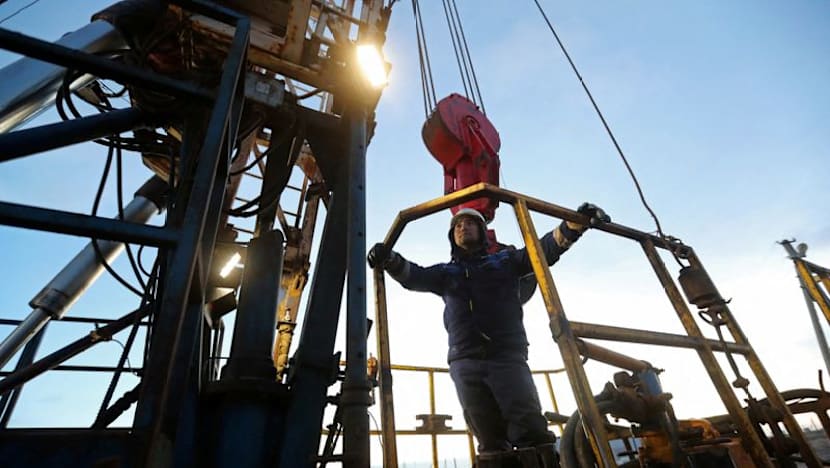
Kazakhstan’s oil and gas condensate production fell by 6 percent in the first two days of December, following a drone attack on the Caspian Pipeline Consortium’s (CPC) loading facility in the Black Sea. This incident has significant implications for the nation, which is heavily reliant on this pipeline for its oil exports.
The CPC pipeline, responsible for transporting over 80 percent of Kazakhstan’s oil and more than 1 percent of global supply, suspended operations on December 2, 2023, after damage to a mooring at its terminal near Russia’s Novorossiysk port. Although operations resumed using a single point mooring (SPM), the capacity and efficiency of the transport system have been compromised.
Kazakhstan’s oil production during the first two days of December decreased to 1.9 million barrels per day, a notable drop from the average output in November. This decline underscores the immediate effects of the drone attack on the country’s oil industry, which exported approximately 68.6 million tons of oil last year, making it the world’s 12th-largest oil producer.
Response from Authorities and Industry Implications
Kazakhstan’s Deputy Energy Minister, Yerlan Akbarov, confirmed on December 4 that one of the CPC’s moorings at the Black Sea terminal is now fully operational, stating there are no restrictions on oil transportation. Despite this reassurance, five industry sources indicated that Kazakhstan will redirect more crude through the Baku-Tbilisi-Ceyhan (BTC) pipeline in December due to reduced capacity at the CPC.
While Kazakh producers also ship oil to Russia’s Novorossiysk and Ust-Luga ports, and via the Druzhba pipeline to Germany, these alternatives tend to yield lower financial returns and are subject to the constraints of the Russian pipeline operator Transneft.
The challenge of rerouting oil from landlocked Kazakhstan is further complicated by the ongoing strain on Russia’s pipeline system, which has been affected by repeated drone strikes on its refineries and export facilities. An industry source estimated that using only one SPM results in a loss of loading capacity amounting to approximately 900,000 tons per week.
The situation highlights the vulnerabilities in Kazakhstan’s energy infrastructure and the potential ripple effects on global oil supply as the country navigates these challenges. As the situation develops, the long-term impacts on Kazakhstan’s oil production and export capabilities remain to be seen.

Vaccine Makers Alarmed by US Advisory Panel’s Hepatitis B Shift

Favorites Shine in 2026 World Cup Draw; Trump Receives Honor

Taiwan and US Experts Advocate Energy Resilience Strategies

Vaccine Makers Alarmed by US Panel’s Shift on Hepatitis B for Newborns

Draw Unveils Groups for 2026 World Cup in North America

Taiwan and US Collaborate to Enhance Energy Resilience

Politicians Unite in Opposition to Netflix’s $72 Billion Deal

Taiwan Aims to Boost Home Dialysis to 18% by 2035

Johannes Klaebo Celebrates 100th World Cup Victory in Trondheim

Kenvue Dismisses CEO Thibaut Mongon as Strategic Review Advances

Humanism Camp Engages 250 Youths in Summer Fest 2025

De Minaur Triumphs at Washington Open After Thrilling Comeback

Tupou and Daugunu Join First Nations Squad for Lions Clash

Colombian Senator Miguel Uribe Shows Signs of Recovery After Attack

ASEAN Gears Up for Historic Joint Meeting of Foreign and Economic Ministers

New Study Challenges Assumptions About Aging and Inflammation

Oil Prices Surge Following New EU Sanctions on Russia

Detaşe-Sabah Violin Ensemble Captivates at Gabala Music Festival
-
 Business5 months ago
Kenvue Dismisses CEO Thibaut Mongon as Strategic Review Advances
-
 Lifestyle4 months ago
Humanism Camp Engages 250 Youths in Summer Fest 2025
-
 Sports4 months ago
De Minaur Triumphs at Washington Open After Thrilling Comeback
-
 Sports5 months ago
Tupou and Daugunu Join First Nations Squad for Lions Clash
-
 Top Stories5 months ago
Colombian Senator Miguel Uribe Shows Signs of Recovery After Attack
-
 World5 months ago
ASEAN Gears Up for Historic Joint Meeting of Foreign and Economic Ministers
-
 Health4 months ago
New Study Challenges Assumptions About Aging and Inflammation
-
 Business5 months ago
Oil Prices Surge Following New EU Sanctions on Russia
-
 Entertainment4 months ago
Detaşe-Sabah Violin Ensemble Captivates at Gabala Music Festival
-

 Entertainment4 months ago
Baku Metro Extends Hours for Justin Timberlake Concert
-

 Top Stories5 months ago
Rethinking Singapore’s F&B Regulations Amid Business Closures
-

 Business5 months ago
U.S. House Approves Stablecoin Bill, Sends to Trump for Signature