
World
Vaccine Makers Alarmed by US Panel’s Shift on Hepatitis B for Newborns

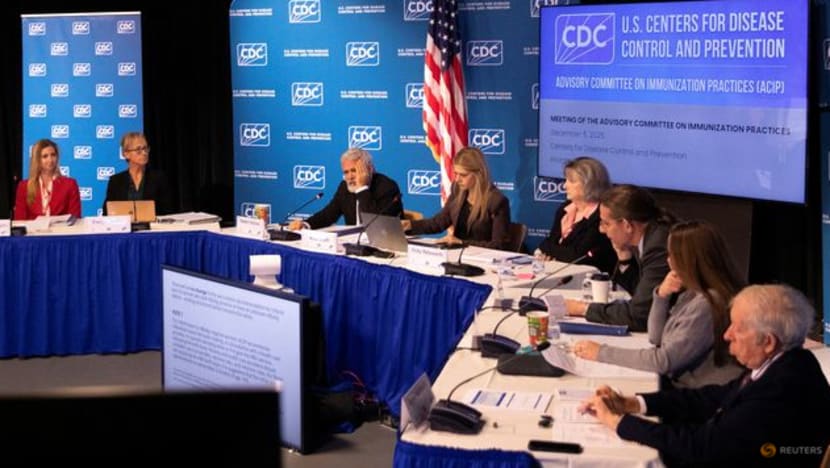
Vaccine manufacturers have voiced strong concerns following a decision by a US advisory panel to discontinue its longstanding recommendation for administering the hepatitis B vaccine to all infants at birth. The vote, which took place on December 5, 2023, has raised alarms among public health experts who fear that this shift could reverse significant progress made in combating hepatitis B infections.
Merck, the producer of the Recombivax HB vaccine, expressed its “deep concern” regarding the decision made by the CDC’s Advisory Committee on Immunization Practices (ACIP). The company warned that this change could “put infants at unnecessary risk of chronic infection, liver cancer, and even death.” Since the introduction of the universal birth dose in 1991, there has been a remarkable 99 percent decrease in acute hepatitis B cases among children and young adults, according to Merck.
Public health advocates and infectious disease experts, along with associations representing pediatricians and pharmacists, have condemned the committee’s decision. Hepatitis B can be transmitted from mother to child during birth and can lead to severe liver disease and premature death, with no known cure. The National Foundation for Infectious Diseases reports that the universal hepatitis B birth dose has prevented over 500,000 childhood infections and reduced infant cases by 95 percent, potentially averting around 90,100 deaths.
The panel’s recommendation now states that only infants born to mothers who test positive for hepatitis B should receive the vaccine at birth. For infants born to mothers who test negative, parents are advised to consult with healthcare providers to determine when or whether to start the vaccination series. This change has sparked significant debate, particularly as many committee members, appointed by US Health and Human Services Secretary Robert F. Kennedy Jr., a noted vaccine skeptic, questioned the safety data surrounding the vaccine and claimed that the US vaccination schedule is misaligned with other countries, such as Denmark, which have lower rates of hepatitis B.
In response to the committee’s decision, GSK, which produces the Engerix-B vaccine, reiterated its commitment to the scientific evidence supporting its vaccine. The company is currently awaiting the CDC’s formal adoption of the new recommendation to assess its potential impact. Engerix-B has been in use since 1989 and has seen 1.4 billion doses administered globally.
Following the ACIP vote, shares of Merck and GSK each experienced a decline of about 1 percent, while US-listed shares of Sanofi, another manufacturer of hepatitis B vaccines, saw a slight rise of approximately 0.7 percent.
Merck has urged the committee to reintegrate liaison organizations and frontline clinicians into its working groups. The company asserts that discussions led by medical and scientific experts are crucial for developing evidence-based recommendations that protect public health. As the implications of this decision unfold, the health community continues to advocate for measures that safeguard the well-being of infants and the broader population.

Vaccine Makers Alarmed by US Advisory Panel’s Hepatitis B Shift

Favorites Shine in 2026 World Cup Draw; Trump Receives Honor

Taiwan and US Experts Advocate Energy Resilience Strategies

Vaccine Makers Alarmed by US Panel’s Shift on Hepatitis B for Newborns

Draw Unveils Groups for 2026 World Cup in North America

Taiwan and US Collaborate to Enhance Energy Resilience

Politicians Unite in Opposition to Netflix’s $72 Billion Deal

Taiwan Aims to Boost Home Dialysis to 18% by 2035

Johannes Klaebo Celebrates 100th World Cup Victory in Trondheim

Kenvue Dismisses CEO Thibaut Mongon as Strategic Review Advances

Humanism Camp Engages 250 Youths in Summer Fest 2025

De Minaur Triumphs at Washington Open After Thrilling Comeback

Tupou and Daugunu Join First Nations Squad for Lions Clash

Colombian Senator Miguel Uribe Shows Signs of Recovery After Attack

ASEAN Gears Up for Historic Joint Meeting of Foreign and Economic Ministers

New Study Challenges Assumptions About Aging and Inflammation

Oil Prices Surge Following New EU Sanctions on Russia

Detaşe-Sabah Violin Ensemble Captivates at Gabala Music Festival
-
 Business5 months ago
Kenvue Dismisses CEO Thibaut Mongon as Strategic Review Advances
-
 Lifestyle4 months ago
Humanism Camp Engages 250 Youths in Summer Fest 2025
-
 Sports4 months ago
De Minaur Triumphs at Washington Open After Thrilling Comeback
-
 Sports5 months ago
Tupou and Daugunu Join First Nations Squad for Lions Clash
-
 Top Stories5 months ago
Colombian Senator Miguel Uribe Shows Signs of Recovery After Attack
-
 World5 months ago
ASEAN Gears Up for Historic Joint Meeting of Foreign and Economic Ministers
-
 Health4 months ago
New Study Challenges Assumptions About Aging and Inflammation
-
 Business5 months ago
Oil Prices Surge Following New EU Sanctions on Russia
-
 Entertainment4 months ago
Detaşe-Sabah Violin Ensemble Captivates at Gabala Music Festival
-

 Entertainment4 months ago
Baku Metro Extends Hours for Justin Timberlake Concert
-

 Top Stories5 months ago
Rethinking Singapore’s F&B Regulations Amid Business Closures
-
 Business5 months ago
U.S. House Approves Stablecoin Bill, Sends to Trump for Signature