
Entertainment
Politicians Unite in Opposition to Netflix’s $72 Billion Deal

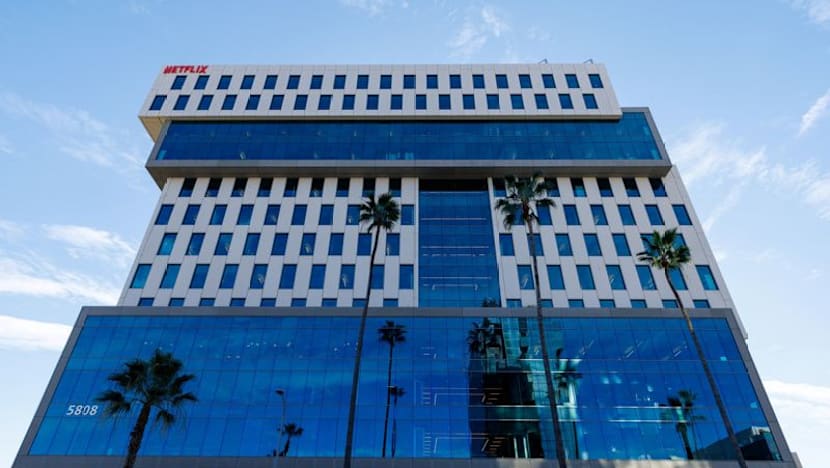
U.S. Senator Elizabeth Warren has expressed strong opposition to Netflix’s proposed acquisition of Warner Bros Discovery for $72 billion, labeling it an antitrust “nightmare.” This criticism reflects a growing bipartisan concern regarding the implications of this significant deal for both workers and consumers. On December 5, 2023, Warren articulated that the merger could lead to a media giant controlling nearly half of the streaming market, potentially resulting in higher subscription prices and reduced choices for viewers.
In a statement, Warren noted, “A Netflix-Warner Bros would create one massive media giant… threatening to force Americans into higher subscription prices and fewer choices.” She was joined by U.S. Representative Pramila Jayapal, co-chair of the House Monopoly Busters Caucus, who echoed these sentiments on social media. Jayapal warned that the merger could lead to “more price hikes, ads, & cookie cutter content,” further criticizing the concentration of media power in a few corporations.
Despite the mounting political pressure, Netflix has defended the acquisition, arguing it would create jobs and enhance content offerings for its 300 million subscribers. The company claims that the merger aligns with the current administration’s goals of affordability and improved consumer value.
Republican Concerns Over Market Concentration
Republican lawmakers have similarly voiced concerns. Senator Mike Lee, who chairs the Senate antitrust committee, stated that the acquisition “should send alarm to antitrust enforcers around the world.” He warned that increasing Netflix’s market dominance could jeopardize the creative landscape of streaming services. Senators Roger Marshall and Darrell Issa also called for scrutiny from U.S. antitrust enforcers, expressing fears that the deal might reduce the number of films available in theaters.
The political divide over the acquisition reflects broader worries about the implications of such a significant consolidation in the entertainment industry. As Netflix has positioned itself as a leading bidder, it faces scrutiny not only from politicians but also from regulatory bodies.
Antitrust Review and Global Implications
Given the size of the acquisition, the U.S. Department of Justice is expected to conduct a rigorous antitrust review. The addition of HBO Max‘s 128 million subscribers to Netflix’s existing base is likely to raise questions about market control. Experts suggest that Netflix may need to consider divesting some assets to alleviate antitrust concerns. George Hay, a law professor at Cornell University, indicated that spinning off certain content to other suppliers could be a possible solution to mitigate market share issues.
The deal is also likely to attract significant scrutiny from European regulators. The European trade body representing cinema trade associations has announced its intention to communicate concerns and opposition to competition authorities across Europe and beyond.
The DOJ’s antitrust division is led by Gail Slater, who previously expressed that her office’s focus is on the average American’s spending. With entertainment comprising approximately 5 percent of household budgets, rising costs in this area have garnered attention. In January 2024, Netflix increased the price of its standard ad-free plan by $2.50, bringing it to $17.99 per month. HBO Max followed suit with a similar price hike.
In the past, former President Donald Trump has actively engaged in high-profile media mergers, lobbying against AT&T’s acquisition of Time-Warner due to concerns over media concentration. This history adds another layer of complexity to the current deal, as Warren cautioned against political favoritism influencing the review process. She emphasized the need for a fair examination of the merger free from outside influences, stating, “The Justice Department must enforce our nation’s anti-monopoly laws fairly and transparently.”
As the political landscape evolves, the fate of the Netflix-Warner Bros acquisition remains uncertain, with significant implications for both the streaming industry and consumers.

Vaccine Makers Alarmed by US Advisory Panel’s Hepatitis B Shift

Favorites Shine in 2026 World Cup Draw; Trump Receives Honor

Taiwan and US Experts Advocate Energy Resilience Strategies

Vaccine Makers Alarmed by US Panel’s Shift on Hepatitis B for Newborns

Draw Unveils Groups for 2026 World Cup in North America

Taiwan and US Collaborate to Enhance Energy Resilience

Politicians Unite in Opposition to Netflix’s $72 Billion Deal

Taiwan Aims to Boost Home Dialysis to 18% by 2035

Johannes Klaebo Celebrates 100th World Cup Victory in Trondheim

Kenvue Dismisses CEO Thibaut Mongon as Strategic Review Advances

Humanism Camp Engages 250 Youths in Summer Fest 2025

De Minaur Triumphs at Washington Open After Thrilling Comeback

Tupou and Daugunu Join First Nations Squad for Lions Clash

Colombian Senator Miguel Uribe Shows Signs of Recovery After Attack

ASEAN Gears Up for Historic Joint Meeting of Foreign and Economic Ministers

New Study Challenges Assumptions About Aging and Inflammation

Oil Prices Surge Following New EU Sanctions on Russia

Detaşe-Sabah Violin Ensemble Captivates at Gabala Music Festival
-
 Business5 months ago
Kenvue Dismisses CEO Thibaut Mongon as Strategic Review Advances
-
 Lifestyle4 months ago
Humanism Camp Engages 250 Youths in Summer Fest 2025
-
 Sports4 months ago
De Minaur Triumphs at Washington Open After Thrilling Comeback
-
 Sports5 months ago
Tupou and Daugunu Join First Nations Squad for Lions Clash
-
 Top Stories5 months ago
Colombian Senator Miguel Uribe Shows Signs of Recovery After Attack
-
 World5 months ago
ASEAN Gears Up for Historic Joint Meeting of Foreign and Economic Ministers
-
 Health4 months ago
New Study Challenges Assumptions About Aging and Inflammation
-
 Business5 months ago
Oil Prices Surge Following New EU Sanctions on Russia
-
 Entertainment4 months ago
Detaşe-Sabah Violin Ensemble Captivates at Gabala Music Festival
-

 Entertainment4 months ago
Baku Metro Extends Hours for Justin Timberlake Concert
-

 Top Stories5 months ago
Rethinking Singapore’s F&B Regulations Amid Business Closures
-
 Business5 months ago
U.S. House Approves Stablecoin Bill, Sends to Trump for Signature