
Politics
Australia Bans Social Media for Under-16s to Protect Youth

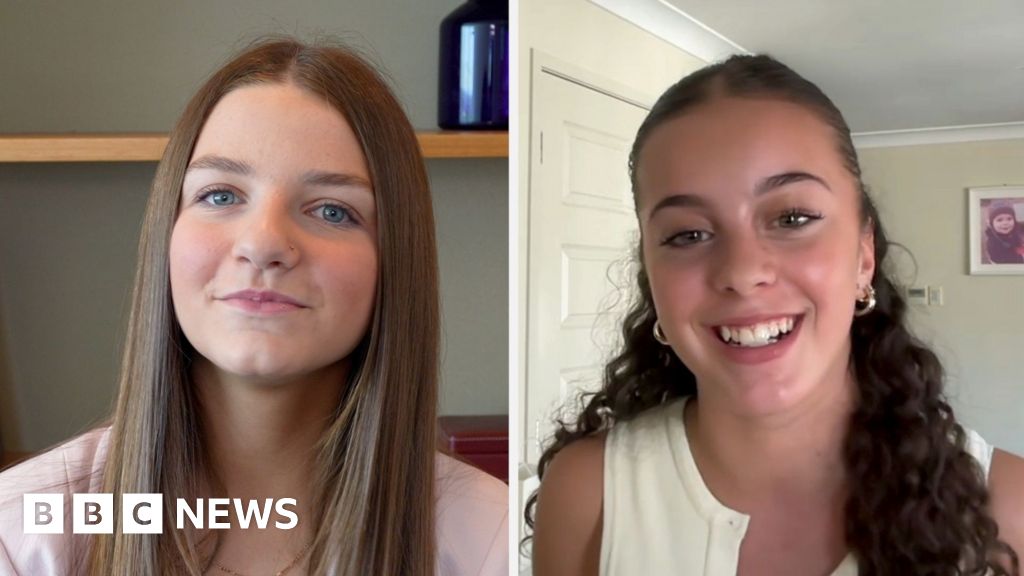
Australia has announced a ban on social media for children under the age of 16, set to take effect on December 10, 2023. This groundbreaking legislation aims to safeguard young users from the dangers of cyberbullying, online predators, and exposure to harmful content. As the first country to implement such a prohibition, Australia is at the forefront of a significant shift in how social media usage is regulated for minors.
The decision has sparked discussions among young content creators, particularly those who have built their platforms on popular apps like TikTok. Among them are 14-year-old influencers Zoey and Ella, who express concern about how this ban will affect their ability to create and share content with their audiences.
Impact on Young Influencers
Zoey and Ella, both avid TikTok users, have cultivated their online presence by sharing dance videos, challenges, and personal insights. In interviews with the BBC, they articulated feelings of uncertainty regarding the ban, describing it as “taking away my purpose.” For these young creators, social media has been a source of connection, creativity, and self-expression, making the impending restrictions feel particularly daunting.
Ella noted, “We put so much effort into our content. It’s not just a hobby; it’s something we love.” The legislation not only limits their access to social media but also raises questions about their professional aspirations in the digital landscape.
The ban has been introduced as a response to increasing concerns about mental health among teenagers and the potential risks associated with online engagement. Government officials have emphasized the importance of creating a safer online environment for children. The Minister for Communications stated, “Our priority is the well-being of our young people. This legislation is designed to protect them from online harms that can have lasting effects.”
Global Implications
Australia’s move may set a precedent for other countries grappling with similar issues. As online safety continues to be a critical topic worldwide, many nations are observing the outcomes of this legislation. Experts suggest that if successful, Australia’s approach could inspire similar policies in other jurisdictions, prompting a reevaluation of how social media platforms are accessed by minors globally.
While the legislation aims to protect children, it also challenges the evolving digital landscape where young people are increasingly becoming content creators and influencers. The balance between safeguarding youth and allowing them to thrive in a digital economy remains a complex issue.
As Australia prepares to implement this ban, the reactions from young creators like Zoey and Ella highlight the emotional and professional stakes involved. Their experiences underscore the need for ongoing dialogue about the role of social media in the lives of young people, particularly as the world navigates the challenges and opportunities of the digital age.
The upcoming changes will not only affect individual users but also have broader implications for social media platforms and their engagement strategies with younger audiences. As the date approaches, the conversation around online safety and youth empowerment continues to develop, reflecting a critical juncture in the relationship between young people and technology.

Vaccine Makers Alarmed by US Advisory Panel’s Hepatitis B Shift

Favorites Shine in 2026 World Cup Draw; Trump Receives Honor

Taiwan and US Experts Advocate Energy Resilience Strategies

Vaccine Makers Alarmed by US Panel’s Shift on Hepatitis B for Newborns

Draw Unveils Groups for 2026 World Cup in North America

Taiwan and US Collaborate to Enhance Energy Resilience

Politicians Unite in Opposition to Netflix’s $72 Billion Deal

Taiwan Aims to Boost Home Dialysis to 18% by 2035

Johannes Klaebo Celebrates 100th World Cup Victory in Trondheim

Kenvue Dismisses CEO Thibaut Mongon as Strategic Review Advances

Humanism Camp Engages 250 Youths in Summer Fest 2025

De Minaur Triumphs at Washington Open After Thrilling Comeback

Tupou and Daugunu Join First Nations Squad for Lions Clash

Colombian Senator Miguel Uribe Shows Signs of Recovery After Attack

ASEAN Gears Up for Historic Joint Meeting of Foreign and Economic Ministers

New Study Challenges Assumptions About Aging and Inflammation

Oil Prices Surge Following New EU Sanctions on Russia

Detaşe-Sabah Violin Ensemble Captivates at Gabala Music Festival
-
 Business5 months ago
Kenvue Dismisses CEO Thibaut Mongon as Strategic Review Advances
-
 Lifestyle4 months ago
Humanism Camp Engages 250 Youths in Summer Fest 2025
-
 Sports4 months ago
De Minaur Triumphs at Washington Open After Thrilling Comeback
-
 Sports5 months ago
Tupou and Daugunu Join First Nations Squad for Lions Clash
-
 Top Stories5 months ago
Colombian Senator Miguel Uribe Shows Signs of Recovery After Attack
-
 World5 months ago
ASEAN Gears Up for Historic Joint Meeting of Foreign and Economic Ministers
-
 Health4 months ago
New Study Challenges Assumptions About Aging and Inflammation
-
 Business5 months ago
Oil Prices Surge Following New EU Sanctions on Russia
-
 Entertainment4 months ago
Detaşe-Sabah Violin Ensemble Captivates at Gabala Music Festival
-

 Entertainment4 months ago
Baku Metro Extends Hours for Justin Timberlake Concert
-

 Top Stories5 months ago
Rethinking Singapore’s F&B Regulations Amid Business Closures
-
 Business5 months ago
U.S. House Approves Stablecoin Bill, Sends to Trump for Signature