
World
Ramaphosa Refutes US Claims of Violence Against White South Africans

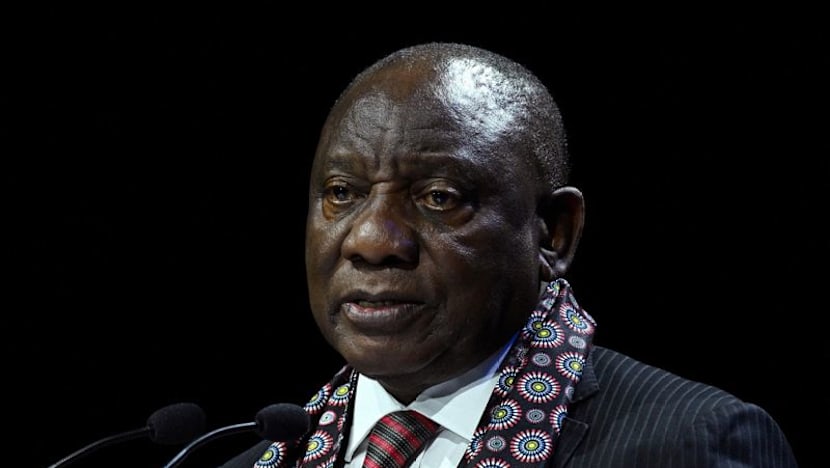
South African President Cyril Ramaphosa publicly denounced accusations from the United States that his country is engaged in violence against white citizens, labeling the claims as “blatant misinformation.” In a televised address on November 30, Ramaphosa reacted strongly to remarks made by US President Donald Trump, who has repeatedly suggested that South Africa is experiencing a “white genocide” targeting Afrikaners, a minority group descended from European colonists.
The controversy intensified when the United States decided to boycott the recent G20 summit held in Johannesburg. Trump announced that South Africa would not be invited to the next gathering of the world’s leading economies, set to take place at a golf course owned by his family in Miami. Ramaphosa criticized these actions as being based on “baseless and false allegations,” asserting that they mischaracterize the situation in South Africa.
In his address, Ramaphosa stated, “This is blatant misinformation about our country.” He emphasized that the US administration’s stance is influenced by a “sustained campaign of disinformation” propagated by various groups and individuals both locally and internationally. The president expressed concern that such claims jeopardize South Africa’s national interests, threaten local jobs, and harm diplomatic relations with a key partner.
Despite this tension, Ramaphosa expressed a willingness to engage in constructive dialogue with the American government. He affirmed that South Africa seeks to maintain respectful and dignified relations as equal sovereign nations. “We are willing to continue to engage in dialogue with the United States government,” he said, underscoring his commitment to diplomacy.
The accusations against South Africa come in the context of ongoing debates about land reform and the historical injustices faced by the country’s black population. Land expropriation without compensation has been a contentious issue, with proponents arguing it is necessary to rectify past wrongs, while critics fear it may lead to instability and economic decline.
As the situation evolves, the international community will be watching closely how diplomatic relations between South Africa and the United States develop, particularly in light of Ramaphosa’s appeal for open dialogue. The dynamics between these nations could have significant implications for regional stability and economic cooperation moving forward.

Takaichi’s Leadership: A New Era for Japan’s Indo-Pacific Strategy

Singapore Commits S$37 Billion to Boost Research and Innovation

Bayern’s Luis Diaz Sees Champions League Ban Cut to Two Matches

Vaccine Makers Alarmed by US Advisory Panel’s Hepatitis B Shift

Favorites Shine in 2026 World Cup Draw; Trump Receives Honor

Taiwan and US Experts Advocate Energy Resilience Strategies

Vaccine Makers Alarmed by US Panel’s Shift on Hepatitis B for Newborns

Draw Unveils Groups for 2026 World Cup in North America

Taiwan and US Collaborate to Enhance Energy Resilience

Kenvue Dismisses CEO Thibaut Mongon as Strategic Review Advances

Humanism Camp Engages 250 Youths in Summer Fest 2025

De Minaur Triumphs at Washington Open After Thrilling Comeback

Tupou and Daugunu Join First Nations Squad for Lions Clash

Colombian Senator Miguel Uribe Shows Signs of Recovery After Attack

ASEAN Gears Up for Historic Joint Meeting of Foreign and Economic Ministers

New Study Challenges Assumptions About Aging and Inflammation

Oil Prices Surge Following New EU Sanctions on Russia

Detaşe-Sabah Violin Ensemble Captivates at Gabala Music Festival
-
 Business5 months ago
Kenvue Dismisses CEO Thibaut Mongon as Strategic Review Advances
-
 Lifestyle4 months ago
Humanism Camp Engages 250 Youths in Summer Fest 2025
-
 Sports4 months ago
De Minaur Triumphs at Washington Open After Thrilling Comeback
-
 Sports5 months ago
Tupou and Daugunu Join First Nations Squad for Lions Clash
-
 Top Stories5 months ago
Colombian Senator Miguel Uribe Shows Signs of Recovery After Attack
-
 World5 months ago
ASEAN Gears Up for Historic Joint Meeting of Foreign and Economic Ministers
-
 Health4 months ago
New Study Challenges Assumptions About Aging and Inflammation
-
 Business5 months ago
Oil Prices Surge Following New EU Sanctions on Russia
-
 Entertainment4 months ago
Detaşe-Sabah Violin Ensemble Captivates at Gabala Music Festival
-

 Entertainment4 months ago
Baku Metro Extends Hours for Justin Timberlake Concert
-

 Top Stories5 months ago
Rethinking Singapore’s F&B Regulations Amid Business Closures
-
 Business5 months ago
U.S. House Approves Stablecoin Bill, Sends to Trump for Signature