
World
Malaysia Set to Become ASEAN’s Second-Fastest Growing Economy by 2025

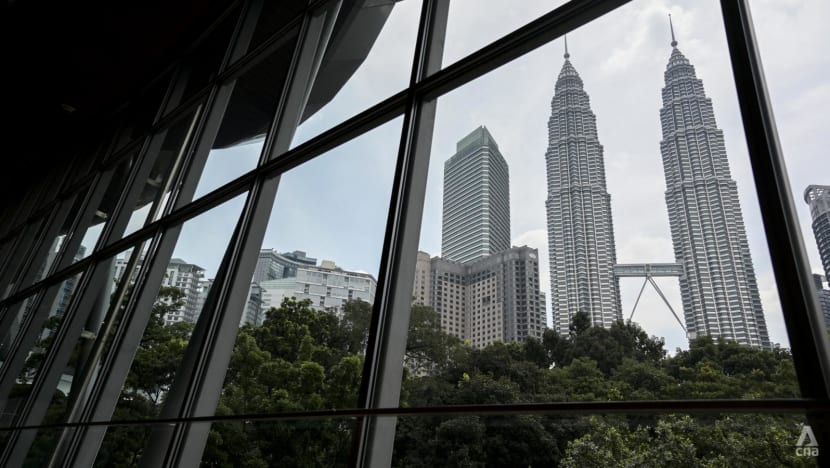
KUALA LUMPUR: Malaysia is projected to be the second-fastest growing economy in the Association of Southeast Asian Nations (ASEAN) by 2025, following an upward revision of growth forecasts by various financial institutions. Notably, HSBC Global Investment Research has increased its GDP growth estimate for Malaysia from 4.2 percent to 5 percent for that year, according to local media reports.
The bank attributes this optimistic outlook to Malaysia’s proactive diplomatic engagement during the recent ASEAN summit held in Kuala Lumpur in October. The summit facilitated discussions among major trading partners, enhancing Malaysia’s position as a neutral facilitator in regional trade. HSBC remarked, “Sentiment wise, there continues to be a revival of optimism,” adding that the nation’s improved economic performance and reduced trade uncertainties contributed to this forecast adjustment.
Strong Economic Indicators Support Growth
HSBC’s revised forecast aligns Malaysia closely with Indonesia, which is also projected to experience robust growth, while Vietnam takes the lead with an adjusted forecast of 7.9 percent for 2025. Earlier, on October 28, 2023, HSBC had raised Vietnam’s GDP growth forecast from 6.6 percent. Additionally, the bank notes that Malaysia’s reciprocal trade agreement with the United States may further bolster its economic prospects by minimizing trade uncertainties.
Tourism plays a significant role in Malaysia’s recovery, with visitor numbers returning to pre-pandemic levels. The country has emerged as a leader in attracting Chinese tourists, surpassing 20 percent of its 2019 levels, thanks to a visa-free scheme and increased flight connectivity. HSBC anticipates that the upcoming “Visit Malaysia 2026” campaign will further enhance this sector.
Other financial institutions have echoed HSBC’s positive sentiment. Maybank Investment Bank has revised its 2025 GDP growth forecast from 4.2 percent to 4.7 percent, while also increasing its 2026 outlook to 4.5 percent from 4.1 percent. Standard Chartered Global Research has similarly adjusted its 2025 estimate to 4.7 percent, reflecting Malaysia’s impressive 4.7 percent GDP expansion in the first nine months of this year.
Domestic Resilience and Currency Strength
According to a recent report from Bank Negara Malaysia, the country’s central bank, the economy expanded at its fastest pace in the third quarter of 2023, with GDP growing 5.2 percent from July to September. The Malaysian ringgit has also shown significant strength, reaching a four-year high of RM4.16 against the US dollar on November 11, 2023. Prime Minister Anwar Ibrahim hailed it as the “best-performing currency in Asia” after it had previously dipped to a low of RM4.79 in February 2024.
Economic forecasts suggest that the ringgit will stabilize at around RM4.16 against the US dollar by the end of 2025, with further strengthening anticipated, according to OCBC’s senior ASEAN economist Lavanya Venkateswaran. This positive trend indicates a resilient domestic economy, even as external demand fluctuates.
Overall, the combination of strategic trade agreements, a recovering tourism sector, and strong domestic demand positions Malaysia favorably within the ASEAN region, paving the way for continued growth in the coming years.

Takaichi’s Leadership: A New Era for Japan’s Indo-Pacific Strategy

Singapore Commits S$37 Billion to Boost Research and Innovation

Bayern’s Luis Diaz Sees Champions League Ban Cut to Two Matches

Vaccine Makers Alarmed by US Advisory Panel’s Hepatitis B Shift

Favorites Shine in 2026 World Cup Draw; Trump Receives Honor

Taiwan and US Experts Advocate Energy Resilience Strategies

Vaccine Makers Alarmed by US Panel’s Shift on Hepatitis B for Newborns

Draw Unveils Groups for 2026 World Cup in North America

Taiwan and US Collaborate to Enhance Energy Resilience

Kenvue Dismisses CEO Thibaut Mongon as Strategic Review Advances

Humanism Camp Engages 250 Youths in Summer Fest 2025

De Minaur Triumphs at Washington Open After Thrilling Comeback

Tupou and Daugunu Join First Nations Squad for Lions Clash

Colombian Senator Miguel Uribe Shows Signs of Recovery After Attack

ASEAN Gears Up for Historic Joint Meeting of Foreign and Economic Ministers

New Study Challenges Assumptions About Aging and Inflammation

Oil Prices Surge Following New EU Sanctions on Russia

Detaşe-Sabah Violin Ensemble Captivates at Gabala Music Festival
-
 Business5 months ago
Kenvue Dismisses CEO Thibaut Mongon as Strategic Review Advances
-
 Lifestyle4 months ago
Humanism Camp Engages 250 Youths in Summer Fest 2025
-
 Sports4 months ago
De Minaur Triumphs at Washington Open After Thrilling Comeback
-
 Sports5 months ago
Tupou and Daugunu Join First Nations Squad for Lions Clash
-
 Top Stories5 months ago
Colombian Senator Miguel Uribe Shows Signs of Recovery After Attack
-
 World5 months ago
ASEAN Gears Up for Historic Joint Meeting of Foreign and Economic Ministers
-
 Health4 months ago
New Study Challenges Assumptions About Aging and Inflammation
-
 Business5 months ago
Oil Prices Surge Following New EU Sanctions on Russia
-
 Entertainment4 months ago
Detaşe-Sabah Violin Ensemble Captivates at Gabala Music Festival
-

 Entertainment4 months ago
Baku Metro Extends Hours for Justin Timberlake Concert
-
 Top Stories5 months ago
Rethinking Singapore’s F&B Regulations Amid Business Closures
-

 Business5 months ago
U.S. House Approves Stablecoin Bill, Sends to Trump for Signature