
World
Finland Enhances Digital Literacy with AI Education Focus

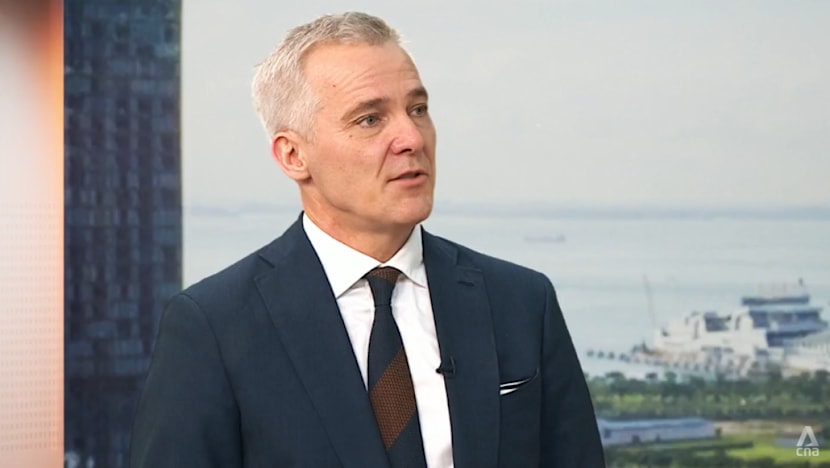
Finland is advancing its digital education strategy by incorporating artificial intelligence (AI) and media literacy into the curriculum, according to the country’s Minister of Education, Anders Adlercreutz. This initiative aims to equip both teachers and students with essential skills to navigate a rapidly evolving digital landscape. Speaking on November 28, 2023, in Singapore, Adlercreutz emphasized the importance of fostering AI literacy from preschool onward, allowing children to become responsible users of technology.
Adlercreutz highlighted that AI literacy parallels media literacy, as it involves discerning truth from falsehoods and understanding the mechanisms behind information generation. He stated, “(It’s important to) create the capacities for the children, the students, to know what AI is so that they can be responsible users.” This proactive approach is particularly relevant given the increasing prevalence of misinformation, which poses a significant threat to societal stability. The minister noted that Finland faces challenges from “hybrid Russian pressure” in the information space, referencing recent instances of disinformation aimed at influencing elections in Romania and Moldova.
Strengthening Media Literacy from a Young Age
Finland leads Europe in media literacy, as evidenced by its top ranking in the Organization for Security and Co-operation in Europe index. Media literacy is integrated into the national curriculum for both primary and secondary education. Finnish students engage with various media forms from an early age, learning to critically evaluate sources and question content. Preschoolers, for instance, experiment and play with media, laying a foundation for future learning.
Upper secondary students are encouraged to engage in practical exercises, such as creating a simulated troll farm to understand how easily public opinion can be swayed. Adlercreutz remarked, “Through that, (they) understand how easily we are swayed, and how important it is to find the telltale signs to compare that information to other sources.”
AI’s Growing Role in Finnish Classrooms
A recent survey indicated that nearly two-thirds of Finnish educators possess some knowledge of AI tools, with approximately 8 percent using them regularly for teaching purposes. Many educators believe that AI’s influence in classrooms will continue to grow. Adlercreutz emphasized the responsibility schools have as generative AI tools reshape educational practices. Earlier this year, Finland introduced ethical guidelines for teachers concerning AI usage in early childhood, primary, and secondary education.
The country’s decentralized education system allows local municipalities and schools to adapt quickly to new challenges. This autonomy makes teaching an attractive profession, as demonstrated by the high number of applicants for educational programs at Finnish universities.
Balancing Digital Access and Safety
As governments worldwide introduce regulations for children’s online activities, including Australia’s upcoming social media ban for under-16s, Finland is engaged in its own discussions about digital access. Adlercreutz stated, “We’re trying to find a balance. We are not going back to the analogue world or jumping headfirst into the digital world.” He stressed the need for responsible digital engagement, highlighting the technical difficulties in regulating online access and the need for greater accountability from platform providers.
Finland’s aim is to create safe digital spaces where children can thrive without being adversely affected by the online environment. The minister acknowledged that many nations continue to grapple with how to achieve this safety.
International Collaboration in Education
During his visit to Singapore, Adlercreutz underscored the importance of education in Finnish society, which receives the second-highest share of national social spending after healthcare. While STEM fields remain a priority, he emphasized the significance of creativity and the arts, particularly in an era dominated by AI. “Especially in the age of AI, it’s important that we also focus on things that make us really human,” he noted.
Adlercreutz is currently discussing AI adaptation and regulation with his counterparts in Singapore, reflecting the close cooperation between the two nations in teacher training and AI implementation. Furthermore, Finnish exchange students continue to favor Singapore as a destination for their studies. As his trip concludes, he plans to visit educational institutions and deliver a lecture on creativity and design in the age of AI at the National University of Singapore.

Takaichi’s Leadership: A New Era for Japan’s Indo-Pacific Strategy

Singapore Commits S$37 Billion to Boost Research and Innovation

Bayern’s Luis Diaz Sees Champions League Ban Cut to Two Matches

Vaccine Makers Alarmed by US Advisory Panel’s Hepatitis B Shift

Favorites Shine in 2026 World Cup Draw; Trump Receives Honor

Taiwan and US Experts Advocate Energy Resilience Strategies

Vaccine Makers Alarmed by US Panel’s Shift on Hepatitis B for Newborns

Draw Unveils Groups for 2026 World Cup in North America

Taiwan and US Collaborate to Enhance Energy Resilience

Kenvue Dismisses CEO Thibaut Mongon as Strategic Review Advances

Humanism Camp Engages 250 Youths in Summer Fest 2025

De Minaur Triumphs at Washington Open After Thrilling Comeback

Tupou and Daugunu Join First Nations Squad for Lions Clash

Colombian Senator Miguel Uribe Shows Signs of Recovery After Attack

ASEAN Gears Up for Historic Joint Meeting of Foreign and Economic Ministers

New Study Challenges Assumptions About Aging and Inflammation

Oil Prices Surge Following New EU Sanctions on Russia

Detaşe-Sabah Violin Ensemble Captivates at Gabala Music Festival
-
 Business5 months ago
Kenvue Dismisses CEO Thibaut Mongon as Strategic Review Advances
-
 Lifestyle4 months ago
Humanism Camp Engages 250 Youths in Summer Fest 2025
-
 Sports4 months ago
De Minaur Triumphs at Washington Open After Thrilling Comeback
-
 Sports5 months ago
Tupou and Daugunu Join First Nations Squad for Lions Clash
-
 Top Stories5 months ago
Colombian Senator Miguel Uribe Shows Signs of Recovery After Attack
-
 World5 months ago
ASEAN Gears Up for Historic Joint Meeting of Foreign and Economic Ministers
-
 Health4 months ago
New Study Challenges Assumptions About Aging and Inflammation
-
 Business5 months ago
Oil Prices Surge Following New EU Sanctions on Russia
-
 Entertainment4 months ago
Detaşe-Sabah Violin Ensemble Captivates at Gabala Music Festival
-

 Entertainment4 months ago
Baku Metro Extends Hours for Justin Timberlake Concert
-

 Top Stories5 months ago
Rethinking Singapore’s F&B Regulations Amid Business Closures
-

 Business5 months ago
U.S. House Approves Stablecoin Bill, Sends to Trump for Signature