
World
Environmental Group Disbands as Hong Kong Reclamation Law Tightens

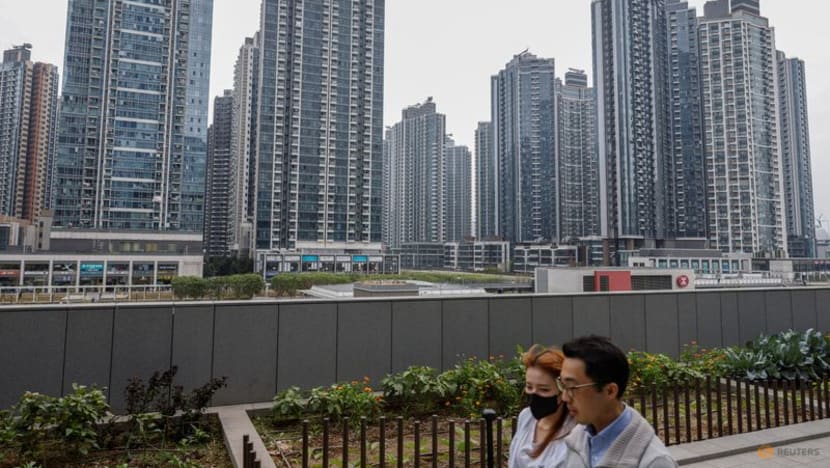
A significant environmental organization in Hong Kong, the Society for Protection of the Harbour (SPH), announced its disbandment on August 1, 2023. This decision follows decades of advocacy against large-scale land reclamation projects threatening Victoria Harbour. The group cited a new law that diminishes oversight on such developments as a key factor in its closure.
The recent amendments to the land reclamation regulations have concentrated authority within government sectors, which SPH argues contravenes essential public law principles. Despite submitting legal recommendations to the authorities, the organization received no acknowledgment prior to the bill’s passage in May 2023. This legislative change has been criticized for reducing transparency and public engagement in environmental decision-making processes.
Impact on Civil Society
SPH’s disbandment represents a broader decline in civil society’s influence in Hong Kong, particularly since the introduction of a sweeping national security law in 2020. The law has resulted in the arrests and exile of numerous pro-democracy activists and has led to the dissolution of various organizations. In a statement to the pro-Beijing newspaper Wen Wei Po, Secretary for Development Bernadette Linn acknowledged encountering “soft resistance” during the amendment discussions, a term frequently used to refer to ideological opposition.
Linn specifically referenced a social media post from SPH that warned of the dangers posed by ongoing reclamation initiatives. The Development Bureau recognized SPH’s contributions to harbor affairs but defended the new regulations, stating that they have strengthened control over large-scale reclamation activities in Victoria Harbour.
Future Aspirations
In its farewell message, SPH expressed hope that Victoria Harbour would one day be designated a “National Treasure of China.” The organization emphasized the importance of safeguarding the harbor for the benefit of both present and future generations. Their closure serves as a stark reminder of the challenges faced by environmental advocates in Hong Kong, where governance and public participation are increasingly constrained.
As the landscape for civil society continues to evolve, the implications of this disbandment extend beyond environmental concerns, reflecting a significant shift in the political and social fabric of Hong Kong.

India Unveils Long-Range Hypersonic Missile Amid Regional Tensions

SK bioscience Launches Global Trial for Universal Sarbecovirus Vaccine

Senegal Coach Pape Thiaw Suspended and Fined After Final Disruption

PAS Denies Abolishing Chairman Post, Contradicts Muhyiddin’s Claim

Mbappé Critiques Real Madrid’s Effort After Benfica Defeat

Thailand’s December Factory Output Surges 2.52% Year-on-Year

Ishita Dutta Reveals Her Parenting Secret: Strong Coffee

Older GPs Express Concerns Over New Digital Health Record Mandate

Urban Jurgensen: A 252-Year Legacy Enters a New Era

Regina Martinez Breaks New Ground for Mexico in Cross-Country Skiing

South Korea’s Foreign Minister Cho Hyun to Visit China This Week

Starling Bank Plans Secondary Share Sale, Targeting $5.4 Billion Valuation

Munsang College Celebrates 100 Years with Grand Ceremony

PAS Aims to Expand Parliamentary Influence in Upcoming Election

De Minaur Triumphs at Washington Open After Thrilling Comeback

Kenvue Dismisses CEO Thibaut Mongon as Strategic Review Advances

Humanism Camp Engages 250 Youths in Summer Fest 2025

Colombian Senator Miguel Uribe Shows Signs of Recovery After Attack
-
 Sports2 months ago
Regina Martinez Breaks New Ground for Mexico in Cross-Country Skiing
-
 World6 months ago
South Korea’s Foreign Minister Cho Hyun to Visit China This Week
-
 Business7 months ago
Starling Bank Plans Secondary Share Sale, Targeting $5.4 Billion Valuation
-
 Top Stories7 months ago
Munsang College Celebrates 100 Years with Grand Ceremony
-
 World6 months ago
PAS Aims to Expand Parliamentary Influence in Upcoming Election
-
 Sports8 months ago
De Minaur Triumphs at Washington Open After Thrilling Comeback
-
 Business8 months ago
Kenvue Dismisses CEO Thibaut Mongon as Strategic Review Advances
-
 Lifestyle8 months ago
Humanism Camp Engages 250 Youths in Summer Fest 2025
-
 Top Stories8 months ago
Colombian Senator Miguel Uribe Shows Signs of Recovery After Attack
-

 Sports8 months ago
Tupou and Daugunu Join First Nations Squad for Lions Clash
-
 World8 months ago
ASEAN Gears Up for Historic Joint Meeting of Foreign and Economic Ministers
-

 Health8 months ago
New Study Challenges Assumptions About Aging and Inflammation