
Science
Swedish Physicist Proposes Consciousness as a Universal Field

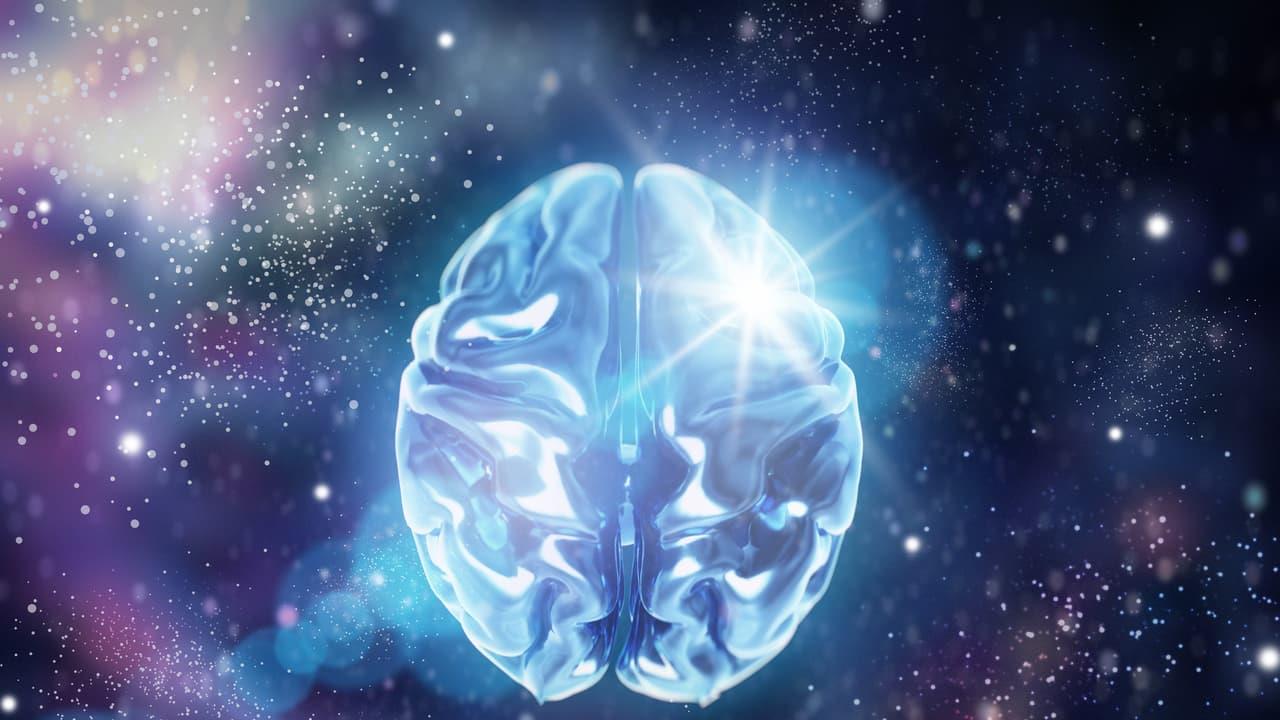
A Swedish physicist, Professor Maria Strømme from Uppsala University, has introduced a bold theory suggesting that consciousness may not solely be a product of the brain but rather a fundamental aspect of the universe itself. This assertion, if substantiated, could significantly alter scientific perspectives on phenomena such as near-death experiences and telepathy.
Strømme posits that consciousness exists as a universal field, comparable to the quantum fields that are believed to underpin matter and energy. Speaking to the Daily Mail, she remarked that while the notion of consciousness as fundamental has been “under-explored,” it is increasingly gaining recognition as science grapples with questions that the brain alone cannot conclusively address. In her model, individual awareness is viewed not as a creation of neuronal activity but as a temporary pattern within this underlying consciousness field, which dissolves upon death, returning to a greater whole. She likens this to a wave in the ocean—rising and falling while the water remains constant.
Despite the intriguing nature of Strømme’s theory, many researchers caution against its speculative aspects. The prevailing scientific understanding frames consciousness as an emergent property resulting from biological processes within the brain. Numerous studies have established a strong correlation between neural activity and consciousness. For instance, brain damage, anesthesia, and varying electrical activity have all been linked to specific changes in conscious experience.
Strømme’s perspective diverges sharply from mainstream neuroscience. She draws parallels with quantum field theory, suggesting that a consciousness field permeates all space, with individual minds arising as localized disturbances within it. This view implies that the boundaries separating individual minds are not as definitive as previously thought. Events such as telepathy or vivid experiences reported during near-death incidents could potentially be explained as moments when personal consciousness interacts more directly with the universal field.
She compares this interaction to quantum experiments, specifically the famous Schrödinger’s cat thought experiment, where observation appears to influence outcomes. If consciousness is part of the universe’s underlying fabric, it may play a more active role in the physical realm than is currently accepted by conventional physics. Nonetheless, scientists emphasize that the phenomena observed in quantum mechanics occur at subatomic levels and do not necessitate a conscious observer, as measurement can be conducted by any interacting particle or device.
The implications of Strømme’s theory extend to near-death experiences (NDEs). Such experiences often include encounters with deceased loved ones, bright lights, or serene landscapes. Strømme suggests that these occurrences might represent “atypical access” to the consciousness field when brain function is compromised, such as during cardiac arrest. However, medical researchers typically attribute NDEs to biological explanations, including reduced oxygen levels and shifts in brain chemistry that occur during trauma.
Recent studies indicate that measurable brain activity can persist even when patients lose consciousness, pointing to potential physiological mechanisms behind these vivid experiences. While personal accounts of NDEs are compelling, the scientific community remains skeptical of claims suggesting they provide access to an external consciousness.
Strømme acknowledges the unproven nature of her theory but asserts that it is testable. She hypothesizes that brain scans of individuals in deep meditation or moments of heightened emotional connection may reveal synchronizations across subjects, indicating shared access to the consciousness field. Some preliminary studies have reported interesting correlations, but none have achieved the rigor necessary to challenge established scientific consensus.
Skeptics stress that extraordinary claims demand extraordinary evidence. Many facets of Strømme’s theory, such as telepathy and consciousness persisting beyond death, currently lack reliable empirical support and would necessitate significant revisions to the fields of physics and neuroscience.
The conversation surrounding Strømme’s proposal highlights an ongoing philosophical and scientific debate: Is consciousness a function of the brain, or is it an intrinsic element of the universe? While her theory remains contentious and unaccepted, it reflects a growing interest in interdisciplinary approaches that intersect physics, neuroscience, and philosophy. For now, the concept of a universal consciousness remains hypothetical—fascinating to some, contentious to others, and in need of rigorous evidence before it can be considered part of mainstream science.

Takaichi’s Leadership: A New Era for Japan’s Indo-Pacific Strategy

Singapore Commits S$37 Billion to Boost Research and Innovation

Bayern’s Luis Diaz Sees Champions League Ban Cut to Two Matches

Vaccine Makers Alarmed by US Advisory Panel’s Hepatitis B Shift

Favorites Shine in 2026 World Cup Draw; Trump Receives Honor

Taiwan and US Experts Advocate Energy Resilience Strategies

Vaccine Makers Alarmed by US Panel’s Shift on Hepatitis B for Newborns

Draw Unveils Groups for 2026 World Cup in North America

Taiwan and US Collaborate to Enhance Energy Resilience

Kenvue Dismisses CEO Thibaut Mongon as Strategic Review Advances

Humanism Camp Engages 250 Youths in Summer Fest 2025

De Minaur Triumphs at Washington Open After Thrilling Comeback

Tupou and Daugunu Join First Nations Squad for Lions Clash

Colombian Senator Miguel Uribe Shows Signs of Recovery After Attack

ASEAN Gears Up for Historic Joint Meeting of Foreign and Economic Ministers

New Study Challenges Assumptions About Aging and Inflammation

Oil Prices Surge Following New EU Sanctions on Russia

Detaşe-Sabah Violin Ensemble Captivates at Gabala Music Festival
-
 Business5 months ago
Kenvue Dismisses CEO Thibaut Mongon as Strategic Review Advances
-
 Lifestyle4 months ago
Humanism Camp Engages 250 Youths in Summer Fest 2025
-
 Sports4 months ago
De Minaur Triumphs at Washington Open After Thrilling Comeback
-
 Sports5 months ago
Tupou and Daugunu Join First Nations Squad for Lions Clash
-
 Top Stories5 months ago
Colombian Senator Miguel Uribe Shows Signs of Recovery After Attack
-
 World5 months ago
ASEAN Gears Up for Historic Joint Meeting of Foreign and Economic Ministers
-
 Health4 months ago
New Study Challenges Assumptions About Aging and Inflammation
-
 Business5 months ago
Oil Prices Surge Following New EU Sanctions on Russia
-
 Entertainment4 months ago
Detaşe-Sabah Violin Ensemble Captivates at Gabala Music Festival
-

 Entertainment4 months ago
Baku Metro Extends Hours for Justin Timberlake Concert
-

 Top Stories5 months ago
Rethinking Singapore’s F&B Regulations Amid Business Closures
-

 Business5 months ago
U.S. House Approves Stablecoin Bill, Sends to Trump for Signature