
Science
Russian Firm Launches Innovative Bio-Drones for Monitoring

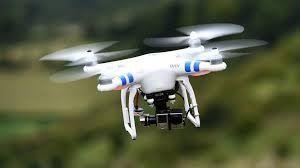
A Russian company, Neiry, has unveiled a groundbreaking development in drone technology: bio-drones, which are pigeons equipped with brain-implanted neural interfaces. This innovative approach allows operators to remotely control the birds’ flight paths, positioning them as an advanced solution for various monitoring tasks. The technology is reportedly ready for pilot deployment, according to an announcement from the company.
The bio-drones, referred to as PJN-1, are modified pigeons that incorporate custom-made electrodes implanted in specific areas of their brains. These electrodes link to a stimulator and a controller housed in a lightweight electronic pack mounted on the bird’s back. The surgical procedures are performed using a specialized stereotactic rig, which allows for precise electrode placement without the need for expensive imaging technologies such as CT or MRI scans. As a result, operators can control the birds almost immediately after surgery, a significant departure from traditional animal training methods.
Neiry emphasizes that the PJN-1 bio-drone differs from a standard pigeon primarily due to a thin neural-interface wire extending from its head and the electronic pack on its back. The main purpose of these bio-drones is to support various monitoring activities, including environmental assessments, industrial surveillance, and search-and-rescue operations. The company states, “Its core purpose is to support various types of monitoring—environmental, industrial, search-and-rescue missions, and even contributing to additional safety surveillance.”
One of the notable advantages of these bio-drones is their endurance. Unlike conventional unmanned aerial vehicles (UAVs), the birds are able to live natural lives while being powered by compact solar panels. The developers assert that the risk of failure in using bio-drones is comparable to that of ordinary pigeons, making them suitable for deployment in dense urban environments.
Neiry positions its bio-drone technology as a long-term solution for monitoring remote facilities, such as power lines, pipelines, and gas distribution nodes. The company also highlighted that, unlike similar experimental initiatives in other countries, its project has advanced to the stage of industrial implementation. The cost of a PJN-1 bio-drone is reportedly on par with traditional drones in the same category, while offering superior autonomy.
In an effort to expand its market reach, Neiry is open to collaborating with drone operators and is exploring opportunities to introduce this innovative technology to international markets.
The announcement of bio-drones has ignited a renewed debate among scientists and ethicists about the implications of merging biological organisms with robotic technology. Critics note that this concept raises profound questions about the future of “cyborg” wildlife and the ethical considerations surrounding its applications beyond infrastructure monitoring.
This launch by Neiry represents a significant development in the intersection of biology and technology, with potential ramifications for various sectors, including environmental monitoring and disaster response. As the technology progresses, it will be crucial to address the ethical concerns that arise from such innovations.

Takaichi’s Leadership: A New Era for Japan’s Indo-Pacific Strategy

Singapore Commits S$37 Billion to Boost Research and Innovation

Bayern’s Luis Diaz Sees Champions League Ban Cut to Two Matches

Vaccine Makers Alarmed by US Advisory Panel’s Hepatitis B Shift

Favorites Shine in 2026 World Cup Draw; Trump Receives Honor

Taiwan and US Experts Advocate Energy Resilience Strategies

Vaccine Makers Alarmed by US Panel’s Shift on Hepatitis B for Newborns

Draw Unveils Groups for 2026 World Cup in North America

Taiwan and US Collaborate to Enhance Energy Resilience

Kenvue Dismisses CEO Thibaut Mongon as Strategic Review Advances

Humanism Camp Engages 250 Youths in Summer Fest 2025

De Minaur Triumphs at Washington Open After Thrilling Comeback

Tupou and Daugunu Join First Nations Squad for Lions Clash

Colombian Senator Miguel Uribe Shows Signs of Recovery After Attack

ASEAN Gears Up for Historic Joint Meeting of Foreign and Economic Ministers

New Study Challenges Assumptions About Aging and Inflammation

Oil Prices Surge Following New EU Sanctions on Russia

Detaşe-Sabah Violin Ensemble Captivates at Gabala Music Festival
-
 Business5 months ago
Kenvue Dismisses CEO Thibaut Mongon as Strategic Review Advances
-
 Lifestyle4 months ago
Humanism Camp Engages 250 Youths in Summer Fest 2025
-
 Sports4 months ago
De Minaur Triumphs at Washington Open After Thrilling Comeback
-
 Sports5 months ago
Tupou and Daugunu Join First Nations Squad for Lions Clash
-
 Top Stories5 months ago
Colombian Senator Miguel Uribe Shows Signs of Recovery After Attack
-
 World5 months ago
ASEAN Gears Up for Historic Joint Meeting of Foreign and Economic Ministers
-
 Health4 months ago
New Study Challenges Assumptions About Aging and Inflammation
-
 Business5 months ago
Oil Prices Surge Following New EU Sanctions on Russia
-
 Entertainment4 months ago
Detaşe-Sabah Violin Ensemble Captivates at Gabala Music Festival
-

 Entertainment4 months ago
Baku Metro Extends Hours for Justin Timberlake Concert
-

 Top Stories5 months ago
Rethinking Singapore’s F&B Regulations Amid Business Closures
-

 Business5 months ago
U.S. House Approves Stablecoin Bill, Sends to Trump for Signature