
Politics
US Senators Introduce Bipartisan Bill to Codify Six Assurances

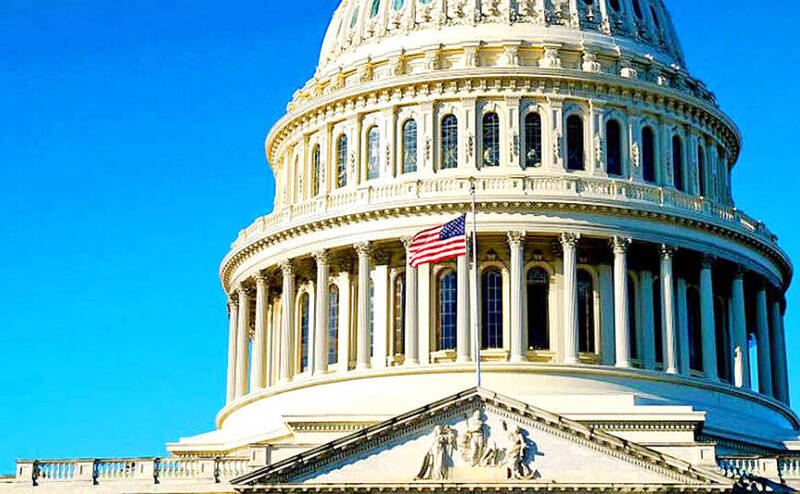
Two US senators introduced a bipartisan bill on March 14, 2024, aimed at codifying the “six assurances” as a fundamental aspect of US policy towards Taiwan. This legislative initiative seeks to ensure that any changes to this longstanding policy undergo congressional review, thereby preventing unilateral alterations by future administrations.
The proposed “Six Assurances to Taiwan Act”, introduced by Senators John Curtis and Jeff Merkley, aims to solidify these assurances into law. The act mandates that any US administration proposing changes to arms sales, Taiwan policies, or negotiations with Beijing must notify Congress and provide a detailed justification. It further stipulates that such actions cannot proceed until Congress has had up to 60 days to review and potentially block them through a joint resolution of disapproval.
Legislative Context and Bipartisan Support
This bill has been submitted for review by a US Senate committee and mirrors a companion bill proposed by Representative Raja Krishnamoorthi and other lawmakers, which has already gained approval from the US House Committee on Foreign Affairs. Both pieces of legislation reaffirm that maintaining the “six assurances” aligns with the national, economic, and security interests of the United States while contributing to stability in the Indo-Pacific region.
In a statement regarding the bill, Senator Merkley emphasized its importance, stating, “Our bipartisan bill codifies a cornerstone of US policy toward Taiwan — ensuring no administration can back away from this commitment behind closed doors.” He articulated that the bill sends a strong message that Congress members from both parties will oppose any efforts to undermine the relationship with Taiwan.
The “six assurances,” established during the presidency of Ronald Reagan in 1982, include commitments that the US will not set a date for ending arms sales to Taiwan, consult with China regarding these sales, or revise the Taiwan Relations Act. Moreover, Washington affirms it will not mediate between Taipei and Beijing or alter its stance on Taiwan’s sovereignty.
Reinforcing US-Taiwan Relations
Senator Curtis, reflecting on the historical significance of the assurances, stated, “My bill simply codifies these longstanding commitments, so they carry the full weight of law.” He underscored the necessity of clarity and deterrence in the face of increasing pressure from Beijing, asserting that this legislation exemplifies America’s principled and bipartisan support for Taiwan.
With rising tensions in the region and escalating pressures from China, the introduction of this bill indicates a commitment from US lawmakers to reinforce support for Taiwan. The passage of such legislation could significantly shape US-Taiwan relations and affect the broader geopolitical landscape in the Indo-Pacific.
As the bill progresses through Congress, its implications for future US foreign policy and military support for Taiwan will be closely monitored by both regional and global stakeholders.

Takaichi’s Leadership: A New Era for Japan’s Indo-Pacific Strategy

Singapore Commits S$37 Billion to Boost Research and Innovation

Bayern’s Luis Diaz Sees Champions League Ban Cut to Two Matches

Vaccine Makers Alarmed by US Advisory Panel’s Hepatitis B Shift

Favorites Shine in 2026 World Cup Draw; Trump Receives Honor

Taiwan and US Experts Advocate Energy Resilience Strategies

Vaccine Makers Alarmed by US Panel’s Shift on Hepatitis B for Newborns

Draw Unveils Groups for 2026 World Cup in North America

Taiwan and US Collaborate to Enhance Energy Resilience

Kenvue Dismisses CEO Thibaut Mongon as Strategic Review Advances

Humanism Camp Engages 250 Youths in Summer Fest 2025

De Minaur Triumphs at Washington Open After Thrilling Comeback

Tupou and Daugunu Join First Nations Squad for Lions Clash

Colombian Senator Miguel Uribe Shows Signs of Recovery After Attack

ASEAN Gears Up for Historic Joint Meeting of Foreign and Economic Ministers

New Study Challenges Assumptions About Aging and Inflammation

Oil Prices Surge Following New EU Sanctions on Russia

Detaşe-Sabah Violin Ensemble Captivates at Gabala Music Festival
-
 Business5 months ago
Kenvue Dismisses CEO Thibaut Mongon as Strategic Review Advances
-
 Lifestyle4 months ago
Humanism Camp Engages 250 Youths in Summer Fest 2025
-
 Sports4 months ago
De Minaur Triumphs at Washington Open After Thrilling Comeback
-
 Sports5 months ago
Tupou and Daugunu Join First Nations Squad for Lions Clash
-
 Top Stories5 months ago
Colombian Senator Miguel Uribe Shows Signs of Recovery After Attack
-
 World5 months ago
ASEAN Gears Up for Historic Joint Meeting of Foreign and Economic Ministers
-
 Health4 months ago
New Study Challenges Assumptions About Aging and Inflammation
-
 Business5 months ago
Oil Prices Surge Following New EU Sanctions on Russia
-
 Entertainment4 months ago
Detaşe-Sabah Violin Ensemble Captivates at Gabala Music Festival
-

 Entertainment4 months ago
Baku Metro Extends Hours for Justin Timberlake Concert
-

 Top Stories5 months ago
Rethinking Singapore’s F&B Regulations Amid Business Closures
-
 Business5 months ago
U.S. House Approves Stablecoin Bill, Sends to Trump for Signature