
Politics
Japan’s New Military Doctrine Signals Strong Stance on Taiwan

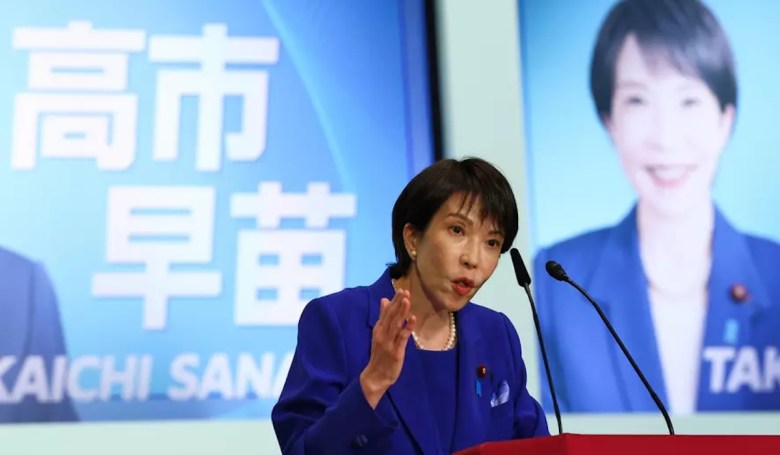
Japan has officially declared a new military doctrine regarding Taiwan, responding to escalating tensions with China. Under the leadership of Prime Minister Sanae Takaichi, Tokyo has adopted a “Taiwan contingency” doctrine, which allows the Japanese Self-Defense Force (JSDF) and the Japan Maritime Self-Defense Force (JMSDF) to take military action if Japanese security is threatened by a Chinese attack or blockade on Taiwan. This marked shift underscores Japan’s recognition of the potential risks to its economic interests and shipping routes.
The announcement follows China’s assertive stance toward Taiwan, raising concerns of a major conflict that could have global implications. On November 7, shortly after taking office, Takaichi articulated that any Chinese blockade or attack on Taiwan would be regarded as a “national emergency” for Japan. This declaration indicates that Japan is prepared to intervene militarily, although the specific contingency plans remain undisclosed.
Japan’s military response could encompass several actions. First, the JMSDF might facilitate the evacuation of Japanese citizens, Taiwanese dignitaries, and dissidents at risk from Chinese retaliation. Secondly, the JMSDF could conduct maritime patrols aimed at preventing the People’s Liberation Army Navy (PLAN) from reinforcing its military presence in the region. Such patrols are essential for safeguarding Japan’s vital maritime operations, especially if Chinese military actions threaten Taiwan.
Moreover, with Takaichi’s clear position, the United States may utilize its bases in Japan to respond to any Chinese aggression. Without access to Japanese territory, the U.S. would face significant challenges in countering a rapid Chinese military operation against Taiwan.
Historical Context and Strategic Considerations
Takaichi’s approach echoes the historical precedents set during previous international conflicts. Notably, former UK Prime Minister Margaret Thatcher faced a similar dilemma when Argentina invaded the Falklands in 1982. At that time, an unfavorable outcome could have severely impacted her government and the UK’s global standing. Thatcher’s administration was caught off guard, illustrating the dangers of underestimating an adversary’s intent.
In contrast, Japan’s current intelligence capabilities allow for greater surveillance of potential Chinese military buildups, providing a crucial advantage. A Chinese invasion or blockade of Taiwan would necessitate a significant military mobilization, requiring a naval force and logistical support that could take longer to assemble than the eight-month buildup witnessed by Russia before its invasion of Ukraine in February 2022. This extended timeline presents an opportunity for Takaichi to prepare the JSDF for a potential response.
Japan is not solely focused on naval operations; it is also preparing for hybrid and information warfare. The government has announced plans for the deployment of the Type-03 Chu-SAM defense system on Yonaguni Island, which is located just 110 kilometers from Taiwan. This mobile surface-to-air missile system has a range of 48 kilometers and is vital for protecting Japanese shipping lanes from potential threats posed by the PLAN.
Additionally, the JMSDF is enhancing its capabilities by upgrading ships, including the JS Chokai, to be fitted with Tomahawk cruise missiles, a move that aligns with Japan’s commitment to bolster defenses in the region.
Implications for Regional Security
Takaichi’s clear articulation of Japan’s Taiwan policy aims to deter potential aggression from China, drawing lessons from past conflicts where ambiguous stances invited hostility. By firmly establishing Japan’s commitment to regional security, she intends to make China reconsider any aggressive maneuvers regarding Taiwan.
A potential Chinese invasion or blockade would represent one of the largest amphibious operations in modern warfare. Until now, China has weighed the resistance of the United States and Taiwan; with Japan’s military readiness now on the table, Beijing must adjust its strategic calculations.
Japan’s position could delay China’s reported timeline for reunifying Taiwan with the mainland, initially set for 2027. Takaichi’s decisive leadership style and military readiness reflect a significant shift in Japan’s defense posture, aiming to strengthen its national security while navigating complex geopolitical dynamics.
As tensions rise, the international community will be closely monitoring Japan’s actions and China’s responses, aware that the stakes are high for all involved.

Colleagues Celebrate Jeanette Aw’s 25-Year Milestone with Letters

Understanding “Leisure Sickness” During Holiday Travel

Ginny Teo Seizes Silver, Achieving Singapore’s Best SEA Games Result

Japan’s New Military Doctrine Signals Strong Stance on Taiwan

Infinityseek Launches Innovative Omega-3 Solution at BioST 2025 SG

England Fumes Over Review Technology Fail as Carey Survives Appeal

Parliament to Discuss Pritam Singh’s Conviction and Response

infinityseek Launches Innovative Omega-3 Solution at BioST 2025 SG

Singapore’s Dhani Andika Razali Claims Gold in SEA Games Silat

Kenvue Dismisses CEO Thibaut Mongon as Strategic Review Advances

Humanism Camp Engages 250 Youths in Summer Fest 2025

De Minaur Triumphs at Washington Open After Thrilling Comeback

Tupou and Daugunu Join First Nations Squad for Lions Clash

Colombian Senator Miguel Uribe Shows Signs of Recovery After Attack

South Korea’s Foreign Minister Cho Hyun to Visit China This Week

ASEAN Gears Up for Historic Joint Meeting of Foreign and Economic Ministers

New Study Challenges Assumptions About Aging and Inflammation

Oil Prices Surge Following New EU Sanctions on Russia
-
 Business5 months ago
Kenvue Dismisses CEO Thibaut Mongon as Strategic Review Advances
-
 Lifestyle5 months ago
Humanism Camp Engages 250 Youths in Summer Fest 2025
-
 Sports5 months ago
De Minaur Triumphs at Washington Open After Thrilling Comeback
-
 Sports5 months ago
Tupou and Daugunu Join First Nations Squad for Lions Clash
-
 Top Stories5 months ago
Colombian Senator Miguel Uribe Shows Signs of Recovery After Attack
-
 World3 months ago
South Korea’s Foreign Minister Cho Hyun to Visit China This Week
-
 World5 months ago
ASEAN Gears Up for Historic Joint Meeting of Foreign and Economic Ministers
-
 Health5 months ago
New Study Challenges Assumptions About Aging and Inflammation
-
 Business5 months ago
Oil Prices Surge Following New EU Sanctions on Russia
-

 Entertainment5 months ago
Detaşe-Sabah Violin Ensemble Captivates at Gabala Music Festival
-

 Business3 months ago
Starling Bank Plans Secondary Share Sale, Targeting $5.4 Billion Valuation
-

 Entertainment5 months ago
Baku Metro Extends Hours for Justin Timberlake Concert