
Politics
China Unveils Economic Plan to Challenge Trump’s Protectionism

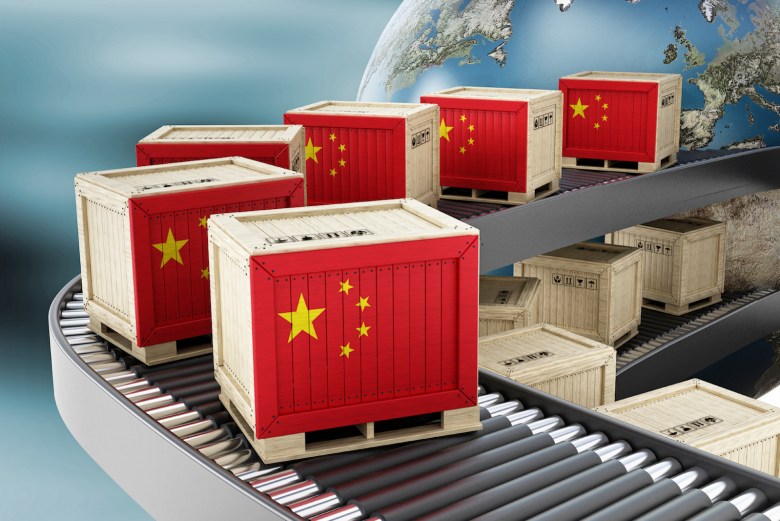
In late October 2025, the Communist Party of China adopted a pivotal document outlining its 15th Five-Year Plan. Released on October 23, this plan aims to foster high-quality development through market reforms and effective governance. It stands in stark contrast to the protectionist policies enacted during the presidencies of Donald Trump and his successor, Joe Biden. This new blueprint emphasizes a rules-based marketplace, suggesting a shift towards openness and economic cooperation in a world grappling with rising uncertainties.
The recommendations from Beijing present a vision for a market economy that prioritizes efficiency and sustainability. Central to this plan is the commitment to a socialist market economy, where the market plays a decisive role in resource allocation, underpinned by a “well-functioning government.” This approach aligns with foundational microeconomic principles such as comparative advantage and unfettered competition. By pledging to eliminate local protectionism and establish a unified national market, the Chinese government aims to streamline resource allocation and minimize inefficiencies.
China’s strategy contrasts sharply with Trump’s protectionist measures, which critics argue have resulted in market fragmentation and inflated consumer costs. For example, the imposition of tariffs on steel and aluminum in 2018 was framed as a national security measure but led to increased prices and reduced competitiveness for downstream industries like automotive and construction. These tariffs not only shifted supply curves but also hindered economic welfare by misallocating resources.
Research from the Federal Reserve indicates that these tariffs contributed to declines in manufacturing employment, with retaliatory tariffs amplifying the impact. As noted in a 2025 analysis from the Minneapolis Fed, the trade war initiated during Trump’s administration has had lasting consequences on the economy.
China’s plan is not merely theoretical; it advocates for transparent investment rules and the reduction of barriers to foreign capital. This is evident in the proposal to shorten the negative list for foreign investment, which is expected to enhance capital allocation and strengthen global supply chains. By promoting specialization and allowing countries to trade according to their strengths, Beijing’s approach aims for Pareto improvements—benefits for all without harm to any party.
Moreover, the focus on green and digital trade reflects an understanding of externalities like environmental impacts and information asymmetries. By creating high-standard free trade areas and integrating services, the plan seeks to lower transaction costs and facilitate economies of scale. This emphasis on undistorted markets is positioned as a pathway for maximizing consumer and producer surplus, driving innovation and economic growth.
In stark contrast, Trump’s trade policies reflect a zero-sum mindset that fragments global markets and propagates monopolistic practices. His administration’s invocation of national security to justify actions against companies like Huawei and SMIC has raised transaction costs and undermined economies of scale, ultimately stifling innovation and burdening American consumers with higher prices.
The implications of these policies extend beyond immediate economic impacts; they risk undermining the very capitalist principles that the United States purports to uphold. Trump’s “America First” approach has created an environment where inefficiencies thrive, and market distortions persist under the guise of patriotism.
While some Western critics dismiss China’s Five-Year Plan as mere propaganda, its economic underpinnings are compelling. The emphasis on integrated education, scientific development, and talent cultivation signifies a commitment to human capital formation, which is critical for productivity and technological advancement. This stands in contrast to Trump’s isolationist policies that limit access to global talent and ideas.
China’s vision of a “community with a shared future for humanity” is not just a slogan but a call for re-globalization through active participation in multilateral agreements. The Belt and Road Initiative exemplifies this, aiming to foster inclusive economic development across various regions.
As world leaders look to navigate the complex landscape of global trade, the lessons from both China and the United States become increasingly relevant. The risks associated with protectionism, as demonstrated during Trump’s presidency, threaten to consign the U.S. economy to a state of irrelevance. Conversely, China’s emphasis on openness and collaboration presents a blueprint for sustainable economic growth.
In this evolving narrative, the true advocates of free enterprise may be found within China’s new economic framework, challenging traditional notions of capitalism and market dynamics. As policymakers worldwide consider their next steps, the imperative for cooperation and integration has never been more pressing. The future of the global economy may very well depend on embracing these principles.

Takaichi’s Leadership: A New Era for Japan’s Indo-Pacific Strategy

Singapore Commits S$37 Billion to Boost Research and Innovation

Bayern’s Luis Diaz Sees Champions League Ban Cut to Two Matches

Vaccine Makers Alarmed by US Advisory Panel’s Hepatitis B Shift

Favorites Shine in 2026 World Cup Draw; Trump Receives Honor

Taiwan and US Experts Advocate Energy Resilience Strategies

Vaccine Makers Alarmed by US Panel’s Shift on Hepatitis B for Newborns

Draw Unveils Groups for 2026 World Cup in North America

Taiwan and US Collaborate to Enhance Energy Resilience

Kenvue Dismisses CEO Thibaut Mongon as Strategic Review Advances

Humanism Camp Engages 250 Youths in Summer Fest 2025

De Minaur Triumphs at Washington Open After Thrilling Comeback

Tupou and Daugunu Join First Nations Squad for Lions Clash

Colombian Senator Miguel Uribe Shows Signs of Recovery After Attack

ASEAN Gears Up for Historic Joint Meeting of Foreign and Economic Ministers

New Study Challenges Assumptions About Aging and Inflammation

Oil Prices Surge Following New EU Sanctions on Russia

Detaşe-Sabah Violin Ensemble Captivates at Gabala Music Festival
-
 Business5 months ago
Kenvue Dismisses CEO Thibaut Mongon as Strategic Review Advances
-
 Lifestyle4 months ago
Humanism Camp Engages 250 Youths in Summer Fest 2025
-
 Sports4 months ago
De Minaur Triumphs at Washington Open After Thrilling Comeback
-
 Sports5 months ago
Tupou and Daugunu Join First Nations Squad for Lions Clash
-
 Top Stories5 months ago
Colombian Senator Miguel Uribe Shows Signs of Recovery After Attack
-
 World5 months ago
ASEAN Gears Up for Historic Joint Meeting of Foreign and Economic Ministers
-
 Health4 months ago
New Study Challenges Assumptions About Aging and Inflammation
-
 Business5 months ago
Oil Prices Surge Following New EU Sanctions on Russia
-
 Entertainment4 months ago
Detaşe-Sabah Violin Ensemble Captivates at Gabala Music Festival
-

 Entertainment4 months ago
Baku Metro Extends Hours for Justin Timberlake Concert
-

 Top Stories5 months ago
Rethinking Singapore’s F&B Regulations Amid Business Closures
-
 Business5 months ago
U.S. House Approves Stablecoin Bill, Sends to Trump for Signature