
Health
Understanding When to Seek Therapy and What to Expect

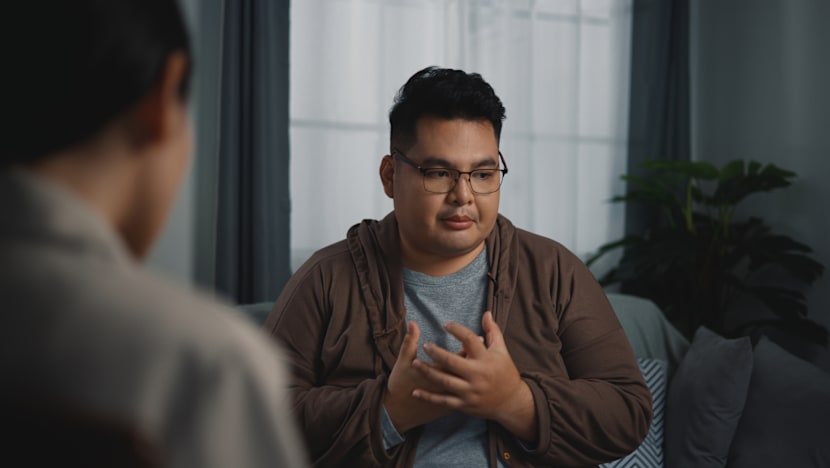
Many individuals grapple with the question of whether they need therapy. While daily life may feel “normal,” underlying stressors can build up, leading to significant emotional turmoil. Situations such as frustration with a noisy neighbor or the stress of managing family obligations can leave anyone feeling overwhelmed. Recognising when to seek professional help is crucial for maintaining mental health.
Identifying the Need for Therapy
It is common to experience feelings of sadness, anxiety, or stress, as these emotions are part of the human experience. According to Andrea Chan, head of TOUCH Counselling & Psychological Services, when such feelings persist or interfere with daily life, it may be time to seek professional assistance. Justyne Ho, a counsellor at SAMH Insight Centre, emphasises that if distressing emotions last for weeks or months without relief, it signals a need for attention.
Furthermore, when personal coping mechanisms and support systems fall short, professional support becomes essential. Ong Jie Li, a senior clinical psychologist from the Institute of Mental Health, highlights a significant trend: the number of individuals seeking mental health support has increased dramatically. Between 2020 and 2024, SAMH Insight Centre noted a 30 percent rise in counselling sessions and a 23 percent increase in active clients.
What to Expect from Therapy
Many people may have preconceived notions about therapy, often influenced by media portrayals. In reality, therapy involves a collaborative process where clients do not simply lie on a couch and receive advice. Instead, therapists ask guiding questions to help clients uncover their own insights. Ong notes that therapy typically unfolds over months or even years, requiring time to effectively address complex issues.
In Singapore, therapy is generally practical, evidence-based, and confidential. The goal is to help individuals process their emotions, develop coping strategies, and improve overall well-being. Each therapist may employ different methods tailored to individual needs.
It is important to understand the distinctions between various support roles. Life coaches primarily focus on goal-setting and personal development but are not typically trained to address mental health issues. In contrast, counsellors assist with emotional and relational challenges through talk therapy, while social workers can connect clients to additional social services.
For those uncertain about sharing their feelings, feeling awkward is a common experience. Ho suggests writing down thoughts before sessions to facilitate expression. Therapists aim to create a safe and supportive environment, so discussing discomfort is encouraged.
If a client feels consistently uncomfortable with their therapist after several sessions, it may indicate a mismatch. Ho advises attending at least three or four sessions before making a decision, as building a therapeutic relationship takes time. If discomfort persists due to unchangeable factors, such as cultural differences or unprofessional behavior, seeking a different therapist may be advisable.
Finding the Right Support
Accessing mental health support can be achieved through various channels. Options include helplines, privately run counselling centres, community mental health centres, general practitioners, and hospitals. Each avenue offers distinct benefits that may cater to individual circumstances.
There is a common misconception that therapy is only necessary during crises. Ho likens this view to using a fire extinguisher solely in emergencies. Regular therapy can serve as a mental check-up, enhancing self-awareness and emotional resilience. Chan points out that underlying patterns often contribute to future stress, reinforcing the value of ongoing therapy even in calmer periods.
While regular attendance is not mandatory, individuals should feel empowered to use therapy as a resource during challenging times. The emphasis should be on feeling supported and equipped to manage future difficulties, ultimately strengthening one’s emotional well-being.

Takaichi’s Leadership: A New Era for Japan’s Indo-Pacific Strategy

Singapore Commits S$37 Billion to Boost Research and Innovation

Bayern’s Luis Diaz Sees Champions League Ban Cut to Two Matches

Vaccine Makers Alarmed by US Advisory Panel’s Hepatitis B Shift

Favorites Shine in 2026 World Cup Draw; Trump Receives Honor

Taiwan and US Experts Advocate Energy Resilience Strategies

Vaccine Makers Alarmed by US Panel’s Shift on Hepatitis B for Newborns

Draw Unveils Groups for 2026 World Cup in North America

Taiwan and US Collaborate to Enhance Energy Resilience

Humanism Camp Engages 250 Youths in Summer Fest 2025

Kenvue Dismisses CEO Thibaut Mongon as Strategic Review Advances

De Minaur Triumphs at Washington Open After Thrilling Comeback

Tupou and Daugunu Join First Nations Squad for Lions Clash

Colombian Senator Miguel Uribe Shows Signs of Recovery After Attack

ASEAN Gears Up for Historic Joint Meeting of Foreign and Economic Ministers

New Study Challenges Assumptions About Aging and Inflammation

Oil Prices Surge Following New EU Sanctions on Russia

Detaşe-Sabah Violin Ensemble Captivates at Gabala Music Festival
-
 Lifestyle4 months ago
Humanism Camp Engages 250 Youths in Summer Fest 2025
-
 Business5 months ago
Kenvue Dismisses CEO Thibaut Mongon as Strategic Review Advances
-
 Sports4 months ago
De Minaur Triumphs at Washington Open After Thrilling Comeback
-
 Sports5 months ago
Tupou and Daugunu Join First Nations Squad for Lions Clash
-
 Top Stories5 months ago
Colombian Senator Miguel Uribe Shows Signs of Recovery After Attack
-
 World5 months ago
ASEAN Gears Up for Historic Joint Meeting of Foreign and Economic Ministers
-
 Health4 months ago
New Study Challenges Assumptions About Aging and Inflammation
-
 Business5 months ago
Oil Prices Surge Following New EU Sanctions on Russia
-
 Entertainment4 months ago
Detaşe-Sabah Violin Ensemble Captivates at Gabala Music Festival
-

 Entertainment4 months ago
Baku Metro Extends Hours for Justin Timberlake Concert
-

 Top Stories5 months ago
Rethinking Singapore’s F&B Regulations Amid Business Closures
-

 Business5 months ago
U.S. House Approves Stablecoin Bill, Sends to Trump for Signature