
Health
Study Finds Firstborn Children More Prone to Allergies

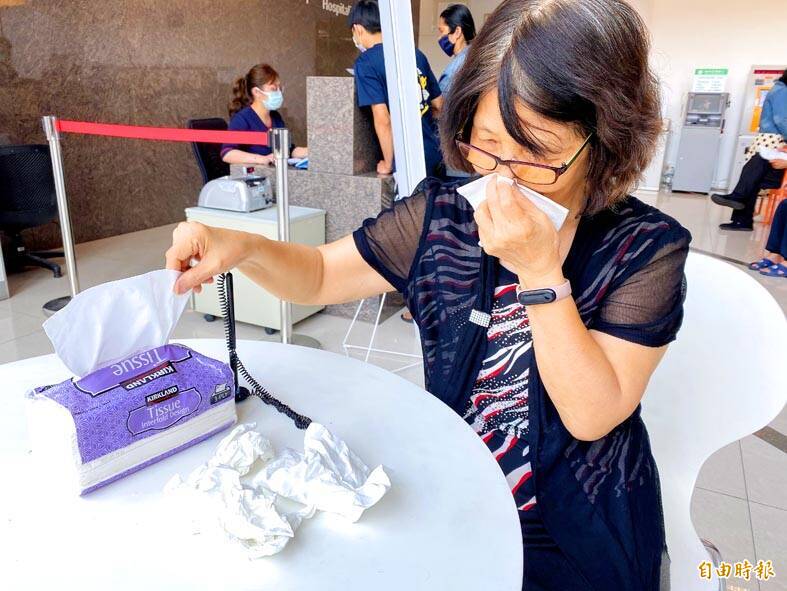
A recent study conducted by Taiwanese researchers reveals that firstborn children are more likely to develop allergies and asthma compared to their younger siblings. This research, published in September 2023 in the journal Pediatric Allergy and Immunology, highlights a potential link between Taiwan’s declining birthrate and the increasing prevalence of allergic conditions among children.
The study analyzed data from the Taiwan Birth Registration Database between 2004 and 2014 and connected it to the National Health Insurance Research Database. Researchers categorized children based on their birth order to assess the relationship between birth order and the risk of allergies. Over the years, Taiwan’s fertility rates have seen a significant decline, dropping from 3.69 in 1970 to 0.87 in 2023. During this same period, the prevalence of asthma among children surged from 1.3 percent in 1974 to 20.3 percent in 2019. Rates of allergic rhinitis, or hay fever, increased from 7.8 percent to 50.6 percent, while eczema cases rose from 1.4 percent to 11.3 percent.
The findings indicated a clear trend: children born later in the family hierarchy face a lower risk of developing allergies. Specifically, the study found that second-born children had a 21.3 percent lower risk of eczema, while third-born and later children saw a reduction of 37.5 percent. In terms of asthma, second-borns had a 25.0 percent reduced risk, with third-borns experiencing a 26.9 percent reduction. For hay fever, the figures stood at 16.3 percent for second-borns and 29.3 percent for those born third or later.
The authors of the study, Chan Chin-kan, a pediatrician at Taoyuan General Hospital, and Chen Pau-chung, director of the National Institute of Environmental Health Sciences, suggest that these patterns might stem from “reduced microbial exposure earlier in life” for firstborns. They did not delve into the specifics of why firstborns might be at a higher risk, but the implications of smaller family sizes are evident.
Taiwan has witnessed a dramatic shift in its demographics, with the fertility rate plummeting over the decades. In 1998, the fertility rate was 1.5, and now it stands at less than 1.0, contributing to concerns over an aging population. The rise in allergic diseases coincides with these changes, prompting researchers to explore the interplay between family size and health outcomes.
As Taiwan navigates its demographic challenges, the implications of this study could lead to a deeper understanding of how early life exposures shape health trajectories. The findings not only shed light on the health of children but also raise questions about the broader societal shifts linked to declining birth rates.

Takaichi’s Leadership: A New Era for Japan’s Indo-Pacific Strategy

Singapore Commits S$37 Billion to Boost Research and Innovation

Bayern’s Luis Diaz Sees Champions League Ban Cut to Two Matches

Vaccine Makers Alarmed by US Advisory Panel’s Hepatitis B Shift

Favorites Shine in 2026 World Cup Draw; Trump Receives Honor

Taiwan and US Experts Advocate Energy Resilience Strategies

Vaccine Makers Alarmed by US Panel’s Shift on Hepatitis B for Newborns

Draw Unveils Groups for 2026 World Cup in North America

Taiwan and US Collaborate to Enhance Energy Resilience

Kenvue Dismisses CEO Thibaut Mongon as Strategic Review Advances

Humanism Camp Engages 250 Youths in Summer Fest 2025

De Minaur Triumphs at Washington Open After Thrilling Comeback

Tupou and Daugunu Join First Nations Squad for Lions Clash

Colombian Senator Miguel Uribe Shows Signs of Recovery After Attack

ASEAN Gears Up for Historic Joint Meeting of Foreign and Economic Ministers

New Study Challenges Assumptions About Aging and Inflammation

Oil Prices Surge Following New EU Sanctions on Russia

Detaşe-Sabah Violin Ensemble Captivates at Gabala Music Festival
-
 Business5 months ago
Kenvue Dismisses CEO Thibaut Mongon as Strategic Review Advances
-
 Lifestyle4 months ago
Humanism Camp Engages 250 Youths in Summer Fest 2025
-
 Sports4 months ago
De Minaur Triumphs at Washington Open After Thrilling Comeback
-
 Sports5 months ago
Tupou and Daugunu Join First Nations Squad for Lions Clash
-
 Top Stories5 months ago
Colombian Senator Miguel Uribe Shows Signs of Recovery After Attack
-
 World5 months ago
ASEAN Gears Up for Historic Joint Meeting of Foreign and Economic Ministers
-
 Health4 months ago
New Study Challenges Assumptions About Aging and Inflammation
-
 Business5 months ago
Oil Prices Surge Following New EU Sanctions on Russia
-
 Entertainment4 months ago
Detaşe-Sabah Violin Ensemble Captivates at Gabala Music Festival
-

 Entertainment4 months ago
Baku Metro Extends Hours for Justin Timberlake Concert
-

 Top Stories5 months ago
Rethinking Singapore’s F&B Regulations Amid Business Closures
-

 Business5 months ago
U.S. House Approves Stablecoin Bill, Sends to Trump for Signature