
Health
Experts Assess Isolated Human H5N5 Case, Risk Remains Low

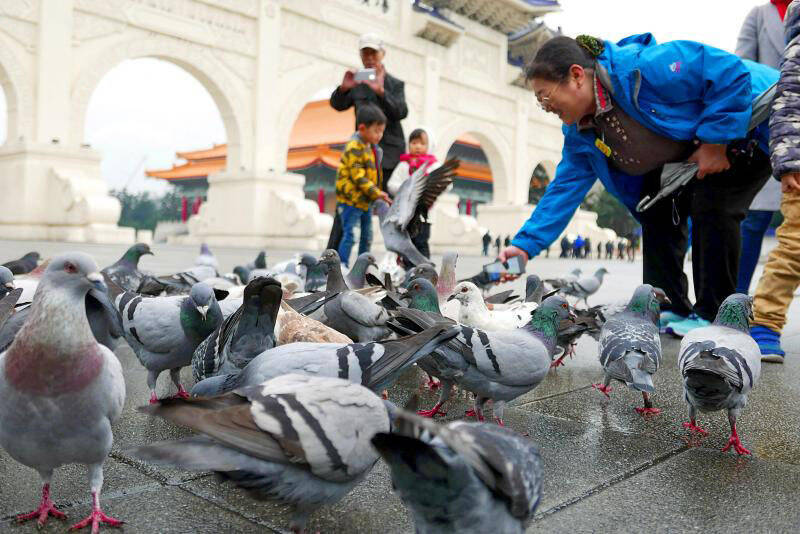
The recent death of a person in the United States due to the H5N5 avian flu has been deemed an isolated incident, according to Taiwanese health experts. They assert that this case is unlikely to trigger a broader outbreak. The confirmation of the first human infection from this strain occurred earlier this month, prompting health officials to assess the potential for further transmission.
Chao Day-yu, a professor at the Graduate Institute of Microbiology and Public Health at National Chung Hsing University (NCHU), explained that the infection likely stemmed from a spillover effect, where the virus transferred from wild birds to poultry, and then to humans. She noted that such singular events typically have a low probability of escalating into a pandemic.
The U.S. Centers for Disease Control and Prevention (CDC) confirmed the fatality linked to the H5N5 virus on a Friday last week. This strain has not been previously documented as infectious to humans. Historically, significant human infections have primarily been associated with other avian influenza subtypes, such as H5N1, which caused an outbreak in Hong Kong in 1997, and H7N9, which has been limited to China.
Chao highlighted that although other subtypes of avian influenza have occasionally been found in humans, these instances have not demonstrated human-to-human transmission. Nevertheless, the increasing spillover of avian influenza viruses into a broader spectrum of animal hosts—including carnivorous and omnivorous wildlife, as well as marine animals—necessitates enhanced vigilance and preventive measures.
NCHU distinguished professor Chang Poa-chun emphasized that seasonal human influenza viruses do not simply evolve into avian strains when transmitted to birds. Such a transformation demands a long-term, multistep evolutionary process. He clarified that avian influenza viruses belong to the family of influenza A viruses, which also encompasses other animal-originated strains circulating in poultry and livestock, including cattle and pigs.
In Taiwan, any human infection with these non-seasonal influenza A strains is categorized as a novel influenza A case and classified as a Category 5 notifiable infectious disease. This classification reflects the importance of monitoring and reporting such cases to prevent potential public health threats.
As health authorities continue to investigate the situation, experts remain cautious but reassured that the risk of widespread transmission from this isolated case is minimal. Further studies and surveillance will be essential in ensuring that any potential threats from avian influenza are effectively managed.

Takaichi’s Leadership: A New Era for Japan’s Indo-Pacific Strategy

Singapore Commits S$37 Billion to Boost Research and Innovation

Bayern’s Luis Diaz Sees Champions League Ban Cut to Two Matches

Vaccine Makers Alarmed by US Advisory Panel’s Hepatitis B Shift

Favorites Shine in 2026 World Cup Draw; Trump Receives Honor

Taiwan and US Experts Advocate Energy Resilience Strategies

Vaccine Makers Alarmed by US Panel’s Shift on Hepatitis B for Newborns

Draw Unveils Groups for 2026 World Cup in North America

Taiwan and US Collaborate to Enhance Energy Resilience

Kenvue Dismisses CEO Thibaut Mongon as Strategic Review Advances

Humanism Camp Engages 250 Youths in Summer Fest 2025

De Minaur Triumphs at Washington Open After Thrilling Comeback

Tupou and Daugunu Join First Nations Squad for Lions Clash

Colombian Senator Miguel Uribe Shows Signs of Recovery After Attack

ASEAN Gears Up for Historic Joint Meeting of Foreign and Economic Ministers

New Study Challenges Assumptions About Aging and Inflammation

Oil Prices Surge Following New EU Sanctions on Russia

Detaşe-Sabah Violin Ensemble Captivates at Gabala Music Festival
-
 Business5 months ago
Kenvue Dismisses CEO Thibaut Mongon as Strategic Review Advances
-
 Lifestyle4 months ago
Humanism Camp Engages 250 Youths in Summer Fest 2025
-
 Sports4 months ago
De Minaur Triumphs at Washington Open After Thrilling Comeback
-
 Sports5 months ago
Tupou and Daugunu Join First Nations Squad for Lions Clash
-
 Top Stories5 months ago
Colombian Senator Miguel Uribe Shows Signs of Recovery After Attack
-
 World5 months ago
ASEAN Gears Up for Historic Joint Meeting of Foreign and Economic Ministers
-
 Health4 months ago
New Study Challenges Assumptions About Aging and Inflammation
-
 Business5 months ago
Oil Prices Surge Following New EU Sanctions on Russia
-
 Entertainment4 months ago
Detaşe-Sabah Violin Ensemble Captivates at Gabala Music Festival
-

 Entertainment4 months ago
Baku Metro Extends Hours for Justin Timberlake Concert
-

 Top Stories5 months ago
Rethinking Singapore’s F&B Regulations Amid Business Closures
-

 Business5 months ago
U.S. House Approves Stablecoin Bill, Sends to Trump for Signature