
Health
Cartilage Repair Restores Mobility for Active Patients

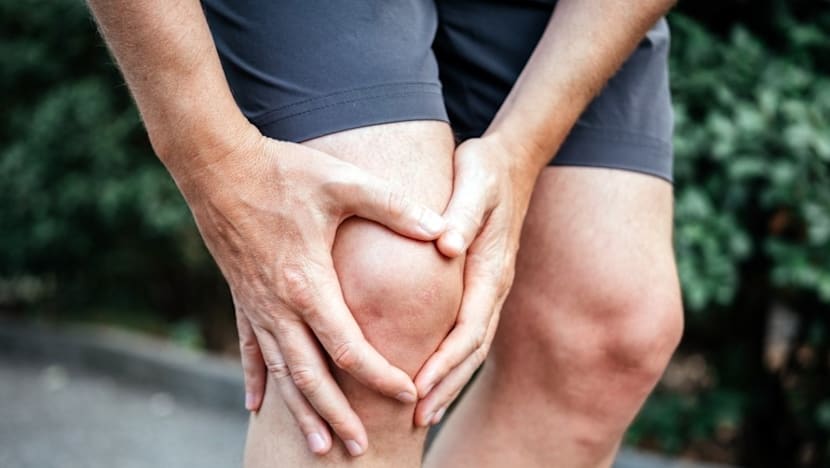
A new approach to treating cartilage damage in the knee is helping patients regain their mobility and return to active lifestyles. Dr. Francis Wong Keng Lin, an orthopaedic surgeon-scientist at the Oxford Cartilage & Sports Centre and adjunct associate professor at the National University of Singapore, highlights the effectiveness of cartilage repair procedures for individuals who have suffered injuries or wear and tear due to sporting activities.
One of Dr. Wong’s patients, a man in his mid-50s and a competitive golfer, experienced significant knee pain despite undergoing various treatments, including injections and physiotherapy. Cartilage, a connective tissue that allows for smooth joint movement, often goes unnoticed until damage becomes severe. Dr. Wong explained that pain typically arises when the cartilage is compromised to the extent that the bone is no longer properly supported, leading to inflammation in other parts of the joint.
When non-surgical treatments failed, the patient underwent a procedure to repair both the cartilage and the meniscus. “This procedure restores the smooth surface of the knee joint, allowing it to function properly again,” Dr. Wong noted.
Treatment Options for Cartilage Damage
The treatment of cartilage damage can involve various strategies, from conservative methods like physical therapy and over-the-counter medications to more invasive surgeries. Dr. Wong emphasizes the importance of a holistic approach when developing a treatment plan, taking into account a patient’s activity level, medical history, and personal expectations.
Cartilage-preserving procedures, such as knee cartilage repair, are preferred over total knee replacements, he explained. These approaches help maintain the natural joint, preserving future treatment options. For those requiring surgical intervention, minimally invasive techniques like keyhole surgery are often favored due to their potential for faster recovery and reduced muscle and tendon damage.
The Microfracture Technique and Its Challenges
One of the traditional methods used for cartilage repair is the microfracture technique, a keyhole procedure that creates small holes in the bone to stimulate healing. While it is relatively straightforward and cost-effective, it comes with challenges. Recovery can be demanding, requiring patients to avoid weight-bearing activities and sports for up to nine months.
Dr. Wong cautioned that microfracture may lead to poorer-quality cartilage that could break down within a few years, causing recurrent joint pain. He noted, “This is what we refer to as scarring cartilage.” Because of these limitations, newer techniques have emerged to enhance the body’s natural healing response.
Innovative Approaches to Cartilage Repair
One promising method involves using a biodegradable scaffold made from hyaluronic acid, a key component of cartilage. Dr. Wong prepares the bone surface to encourage small bleeds from the bone marrow, which are then captured by the scaffold. This scaffold creates a “superclot” that stimulates the growth of new cartilage.
In the golfer’s case, Dr. Wong used a scaffold called Hyalofast for cartilage repair. The procedure allowed for a more flexible recovery, enabling the patient to participate in tournaments within six months.
For many patients, these advanced cartilage repair techniques have profound impacts. “I have patients back in sports with no issues,” Dr. Wong stated. He highlighted a young basketball player who returned to competitive training just six months after his procedure.
Dr. Wong advises individuals undergoing knee cartilage repair to focus on rebuilding strength, balance, and range of motion. Activities such as resistance training, yoga, and reformer pilates can be beneficial. He recommends that anyone uncertain about their rehabilitation consult with their orthopaedic doctor or physiotherapist to improve their musculoskeletal health.
For those experiencing knee pain, exploring treatment options with an orthopaedic specialist may lead to solutions that restore mobility and quality of life.

Takaichi’s Leadership: A New Era for Japan’s Indo-Pacific Strategy

Singapore Commits S$37 Billion to Boost Research and Innovation

Bayern’s Luis Diaz Sees Champions League Ban Cut to Two Matches

Vaccine Makers Alarmed by US Advisory Panel’s Hepatitis B Shift

Favorites Shine in 2026 World Cup Draw; Trump Receives Honor

Taiwan and US Experts Advocate Energy Resilience Strategies

Vaccine Makers Alarmed by US Panel’s Shift on Hepatitis B for Newborns

Draw Unveils Groups for 2026 World Cup in North America

Taiwan and US Collaborate to Enhance Energy Resilience

Kenvue Dismisses CEO Thibaut Mongon as Strategic Review Advances

Humanism Camp Engages 250 Youths in Summer Fest 2025

De Minaur Triumphs at Washington Open After Thrilling Comeback

Tupou and Daugunu Join First Nations Squad for Lions Clash

Colombian Senator Miguel Uribe Shows Signs of Recovery After Attack

ASEAN Gears Up for Historic Joint Meeting of Foreign and Economic Ministers

New Study Challenges Assumptions About Aging and Inflammation

Oil Prices Surge Following New EU Sanctions on Russia

Detaşe-Sabah Violin Ensemble Captivates at Gabala Music Festival
-
 Business5 months ago
Kenvue Dismisses CEO Thibaut Mongon as Strategic Review Advances
-
 Lifestyle4 months ago
Humanism Camp Engages 250 Youths in Summer Fest 2025
-
 Sports4 months ago
De Minaur Triumphs at Washington Open After Thrilling Comeback
-
 Sports5 months ago
Tupou and Daugunu Join First Nations Squad for Lions Clash
-
 Top Stories5 months ago
Colombian Senator Miguel Uribe Shows Signs of Recovery After Attack
-
 World5 months ago
ASEAN Gears Up for Historic Joint Meeting of Foreign and Economic Ministers
-
 Health4 months ago
New Study Challenges Assumptions About Aging and Inflammation
-
 Business5 months ago
Oil Prices Surge Following New EU Sanctions on Russia
-
 Entertainment4 months ago
Detaşe-Sabah Violin Ensemble Captivates at Gabala Music Festival
-

 Entertainment4 months ago
Baku Metro Extends Hours for Justin Timberlake Concert
-

 Top Stories5 months ago
Rethinking Singapore’s F&B Regulations Amid Business Closures
-

 Business5 months ago
U.S. House Approves Stablecoin Bill, Sends to Trump for Signature