
Business
European Parliament Calls for Minimum Age of 16 on Social Media

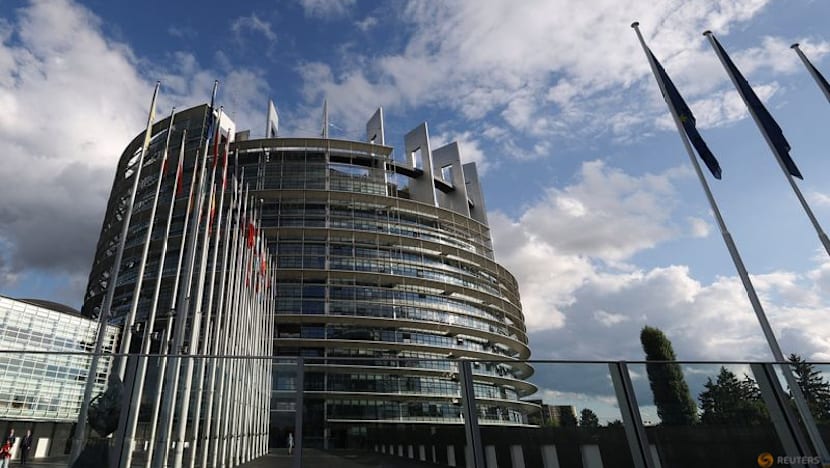
The European Parliament has reached an important decision, agreeing on a resolution that proposes a minimum age of 16 for users of social media platforms. This resolution aims to create “age-appropriate online engagement” for young people. The proposal was finalized during a session held on Wednesday in Brussels.
According to the draft published in October, the resolution calls for the establishment of a harmonised digital age limit across Europe. Under this proposal, individuals under the age of 16 would not be permitted to access online social media platforms unless they have received explicit consent from their parents or guardians.
Details of the Proposed Legislation
In addition to the proposed minimum age of 16, the resolution also stipulates a lower age limit of 13 for accessing certain online content. This includes video-sharing services and “AI companions.” The intention is to protect minors from potentially harmful online interactions, ensuring that their engagement with digital platforms is appropriate for their age.
While the resolution carries significant implications for the regulation of social media in Europe, it is important to note that it is not legally binding. This means that it does not set definitive policy, but rather serves as a guideline for future legislative actions regarding age restrictions on social media and digital content.
The discussion surrounding the age of access to social media platforms reflects a growing concern about the impact of online environments on young users. By advocating for a standardised age limit, the European Parliament aims to enhance the safety and well-being of children and teenagers as they navigate the digital landscape.
Proponents of the resolution argue that these measures are necessary to mitigate risks associated with social media, including exposure to inappropriate content and cyberbullying. Critics, however, caution that strict age limits may not fully address these issues. They suggest that education and digital literacy could play a more pivotal role in preparing young people to interact safely online.
As discussions continue, the European Parliament’s resolution sets the stage for further examination of how age restrictions can be effectively implemented across various digital platforms. Stakeholders in the technology industry, as well as parents and educators, will be watching closely as this initiative progresses.
The conversation about online safety for minors is far from over, and it is clear that legislative efforts will evolve as the digital landscape continues to change.

Takaichi’s Leadership: A New Era for Japan’s Indo-Pacific Strategy

Singapore Commits S$37 Billion to Boost Research and Innovation

Bayern’s Luis Diaz Sees Champions League Ban Cut to Two Matches

Vaccine Makers Alarmed by US Advisory Panel’s Hepatitis B Shift

Favorites Shine in 2026 World Cup Draw; Trump Receives Honor

Taiwan and US Experts Advocate Energy Resilience Strategies

Vaccine Makers Alarmed by US Panel’s Shift on Hepatitis B for Newborns

Draw Unveils Groups for 2026 World Cup in North America

Taiwan and US Collaborate to Enhance Energy Resilience

Kenvue Dismisses CEO Thibaut Mongon as Strategic Review Advances

Humanism Camp Engages 250 Youths in Summer Fest 2025

De Minaur Triumphs at Washington Open After Thrilling Comeback

Tupou and Daugunu Join First Nations Squad for Lions Clash

Colombian Senator Miguel Uribe Shows Signs of Recovery After Attack

ASEAN Gears Up for Historic Joint Meeting of Foreign and Economic Ministers

New Study Challenges Assumptions About Aging and Inflammation

Oil Prices Surge Following New EU Sanctions on Russia

Detaşe-Sabah Violin Ensemble Captivates at Gabala Music Festival
-
 Business5 months ago
Kenvue Dismisses CEO Thibaut Mongon as Strategic Review Advances
-
 Lifestyle4 months ago
Humanism Camp Engages 250 Youths in Summer Fest 2025
-
 Sports4 months ago
De Minaur Triumphs at Washington Open After Thrilling Comeback
-
 Sports5 months ago
Tupou and Daugunu Join First Nations Squad for Lions Clash
-
 Top Stories5 months ago
Colombian Senator Miguel Uribe Shows Signs of Recovery After Attack
-
 World5 months ago
ASEAN Gears Up for Historic Joint Meeting of Foreign and Economic Ministers
-
 Health4 months ago
New Study Challenges Assumptions About Aging and Inflammation
-
 Business5 months ago
Oil Prices Surge Following New EU Sanctions on Russia
-
 Entertainment4 months ago
Detaşe-Sabah Violin Ensemble Captivates at Gabala Music Festival
-

 Entertainment4 months ago
Baku Metro Extends Hours for Justin Timberlake Concert
-

 Top Stories5 months ago
Rethinking Singapore’s F&B Regulations Amid Business Closures
-
 Business5 months ago
U.S. House Approves Stablecoin Bill, Sends to Trump for Signature