
World
G20 Leaders Endorse Declaration on Minerals, Inequality, Climate

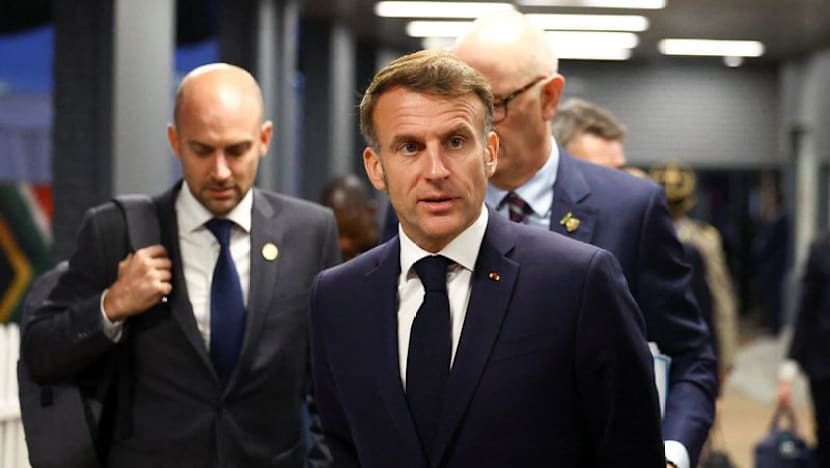
Leaders from the G20 group of major economies endorsed a summit declaration on November 22, 2023, in Johannesburg, South Africa. The declaration emphasizes critical minerals, efforts to reduce inequality, and measures to address climate change. This summit marked a historic moment as South Africa became the first African nation to host a G20 meeting, adopting the theme “Solidarity, Equality, Sustainability” for its presidency of the bloc. The G20 represents 19 countries, along with the European Union and the African Union, accounting for approximately 85 percent of global GDP. Notably, the summit was boycotted by the United States.
Focus on Critical Minerals and Supply Chains
The declaration highlights the need to safeguard global critical mineral supply chains from potential disruptions, which may arise from geopolitical tensions, unilateral trade actions that contravene World Trade Organization rules, pandemics, or natural disasters. There has been a significant surge in demand for minerals essential for renewable energy technologies, including those used in solar panels, electronics, and electric vehicles. Much of these resources are found in Africa, where governments are advocating for increased value-added production instead of merely exporting raw materials.
Leaders called for “increased exploration of critical minerals, particularly in developing countries,” while expressing concerns over China’s dominance in global supply chains. The focus on enhancing local production aligns with the broader goal of ensuring resource security and economic stability within the region.
Addressing Inequality and Climate Action
In the declaration, the leaders emphasized the necessity of pursuing a “just, comprehensive, and lasting peace” in key global conflict zones, including Ukraine, Sudan, the Democratic Republic of Congo, and the “Occupied Palestinian Territory.” The text aligns with the principles of the UN Charter, urging nations to abstain from the threat or use of force that could undermine the sovereignty or territorial integrity of any state. Although Ukraine was briefly mentioned, Western leaders concentrated on addressing a peace plan proposed by former U.S. President Donald Trump, which they argue favors Russian interests.
Central to South Africa’s G20 presidency is the commitment to tackle inequality. The declaration underscores the “imperative” of addressing wealth disparities both within and between nations. While it stopped short of directly endorsing a report commissioned by President Cyril Ramaphosa, it does advocate for reforming international financial systems. This reform aims to support low-income nations burdened by debt that limits their development and essential public investment. The leaders called for greater transparency from lenders, including private creditors, and expressed support for reviewing the International Monetary Fund’s operations and establishing global minimum taxes. However, the language concerning taxes on the wealthy was notably less assertive than in the previous year’s G20 declaration issued in Rio de Janeiro.
The declaration coincided with the conclusion of the COP30 climate talks in Brazil, recognizing the urgent need to “rapidly and substantially” increase financing for climate action. This entails scaling up investments from “billions to trillions globally” across public and private sectors. The document also pointed out persistent inequalities in energy access, particularly in Africa, and called for diversified and de-risked investments in sustainable energy transitions. Moreover, it advocated for developing early-warning systems to protect communities most vulnerable to climate-related disasters, particularly in the least-developed countries. However, the declaration did not include specific language advocating for a phase-out of fossil fuels.
As the G20 leaders concluded their discussions, the focus on minerals, inequality, and climate change reflects the challenges and opportunities facing the global community. The outcomes of this summit may significantly influence future international policies, particularly in resource management, economic equity, and environmental sustainability.

Takaichi’s Leadership: A New Era for Japan’s Indo-Pacific Strategy

Singapore Commits S$37 Billion to Boost Research and Innovation

Bayern’s Luis Diaz Sees Champions League Ban Cut to Two Matches

Vaccine Makers Alarmed by US Advisory Panel’s Hepatitis B Shift

Favorites Shine in 2026 World Cup Draw; Trump Receives Honor

Taiwan and US Experts Advocate Energy Resilience Strategies

Vaccine Makers Alarmed by US Panel’s Shift on Hepatitis B for Newborns

Draw Unveils Groups for 2026 World Cup in North America

Taiwan and US Collaborate to Enhance Energy Resilience

Kenvue Dismisses CEO Thibaut Mongon as Strategic Review Advances

Humanism Camp Engages 250 Youths in Summer Fest 2025

De Minaur Triumphs at Washington Open After Thrilling Comeback

Tupou and Daugunu Join First Nations Squad for Lions Clash

Colombian Senator Miguel Uribe Shows Signs of Recovery After Attack

ASEAN Gears Up for Historic Joint Meeting of Foreign and Economic Ministers

New Study Challenges Assumptions About Aging and Inflammation

Oil Prices Surge Following New EU Sanctions on Russia

Detaşe-Sabah Violin Ensemble Captivates at Gabala Music Festival
-
 Business5 months ago
Kenvue Dismisses CEO Thibaut Mongon as Strategic Review Advances
-
 Lifestyle4 months ago
Humanism Camp Engages 250 Youths in Summer Fest 2025
-
 Sports4 months ago
De Minaur Triumphs at Washington Open After Thrilling Comeback
-
 Sports5 months ago
Tupou and Daugunu Join First Nations Squad for Lions Clash
-
 Top Stories5 months ago
Colombian Senator Miguel Uribe Shows Signs of Recovery After Attack
-
 World5 months ago
ASEAN Gears Up for Historic Joint Meeting of Foreign and Economic Ministers
-
 Health4 months ago
New Study Challenges Assumptions About Aging and Inflammation
-
 Business5 months ago
Oil Prices Surge Following New EU Sanctions on Russia
-
 Entertainment4 months ago
Detaşe-Sabah Violin Ensemble Captivates at Gabala Music Festival
-

 Entertainment4 months ago
Baku Metro Extends Hours for Justin Timberlake Concert
-

 Top Stories5 months ago
Rethinking Singapore’s F&B Regulations Amid Business Closures
-
 Business5 months ago
U.S. House Approves Stablecoin Bill, Sends to Trump for Signature