
World
Malaysia Set to Become ASEAN’s Second-Fastest Growing Economy by 2025

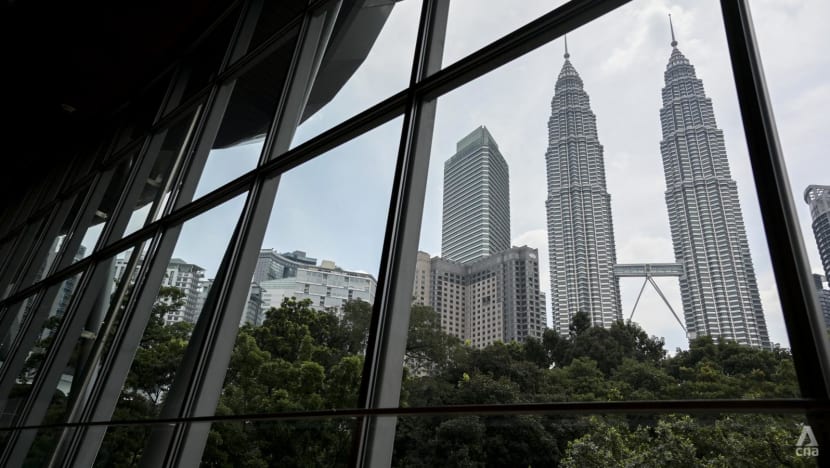
KUALA LUMPUR: Malaysia is on track to become the second-fastest growing economy in the Association of Southeast Asian Nations (ASEAN) by 2025, according to recent upgrades in growth forecasts from various financial institutions. HSBC Global Investment Research has increased its growth forecast for Malaysia from 4.2 percent to 5 percent, attributing this shift to the country’s proactive diplomatic efforts and improved economic conditions.
The upgrade comes after the ASEAN summit held in Kuala Lumpur in October, during which Malaysia’s diplomatic neutrality played a significant role in facilitating discussions among major trading partners. HSBC noted that this revival of optimism is reflected in Malaysia’s economic indicators, stating, “Given the better-than-expected outturn, reduced trade uncertainty, and domestic resilience, we are upgrading our GDP growth forecast to 5 percent for 2025.”
In context, Malaysia’s anticipated growth places it alongside Indonesia and just behind Vietnam, which saw its GDP growth forecast raised from 6.6 percent to 7.9 percent by HSBC on October 28, 2023. Earlier this year, the bank had projected Indonesia’s GDP growth at 4.5 percent.
The report highlights that Malaysia’s recent reciprocal trade agreement with the United States could further bolster its economic prospects by alleviating trade uncertainties. Additionally, tourism in Malaysia has fully recovered to pre-pandemic levels, with a significant influx of Chinese tourists—now exceeding 20 percent of the 2019 figures. HSBC attributes this growth to a visa-free scheme with China and enhanced flight connectivity.
Looking ahead, the upcoming ‘Visit Malaysia 2026’ campaign is expected to provide a substantial boost to the tourism sector, further supporting economic growth.
Several other financial institutions have echoed this positive outlook. Maybank Investment Bank Bhd has revised its GDP forecast for 2025 from 4.2 percent to 4.7 percent and has lifted its 2026 projection to 4.5 percent from 4.1 percent. Similarly, Standard Chartered Global Research raised its 2025 GDP estimate to 4.7 percent from 4.2 percent, citing Malaysia’s impressive 4.7 percent expansion for the first nine months of this year.
Domestic demand remains a crucial driver of Malaysia’s growth, even as external demand fluctuates. In a recent report, Bank Negara Malaysia—the central bank—announced that the economy expanded at its fastest pace in the third quarter, with GDP growth recorded at 5.2 percent for the July-to-September period.
The Malaysian ringgit has also shown signs of strength, achieving a four-year high of RM4.16 for US$1 on November 11, 2023. Prime Minister Anwar Ibrahim has referred to the ringgit as the “best-performing currency in Asia.” Earlier this year, the ringgit had fallen to its lowest level since the Asian Financial Crisis of the late 1990s, dipping to RM4.79 for US$1 in February.
According to OCBC, forecasts suggest the ringgit will trade at RM4.16 to the US dollar by the end of 2025, and RM4.04 by the end of next year. The anticipated economic growth, alongside a strengthening currency, paints a promising picture for Malaysia’s economy as it positions itself as a key player within the ASEAN region.

Japan’s Missile Sale to Boost Philippines’ Defense Strategy

Singapore Commits S$37 Billion to Research and Innovation Over 5 Years

Australia Extends Lead to 116 Runs in Second Ashes Test

Takaichi’s Leadership: A New Era for Japan’s Indo-Pacific Strategy

Singapore Commits S$37 Billion to Boost Research and Innovation

Bayern’s Luis Diaz Sees Champions League Ban Cut to Two Matches

Vaccine Makers Alarmed by US Advisory Panel’s Hepatitis B Shift

Favorites Shine in 2026 World Cup Draw; Trump Receives Honor

Taiwan and US Experts Advocate Energy Resilience Strategies

Kenvue Dismisses CEO Thibaut Mongon as Strategic Review Advances

Humanism Camp Engages 250 Youths in Summer Fest 2025

De Minaur Triumphs at Washington Open After Thrilling Comeback

Tupou and Daugunu Join First Nations Squad for Lions Clash

Colombian Senator Miguel Uribe Shows Signs of Recovery After Attack

ASEAN Gears Up for Historic Joint Meeting of Foreign and Economic Ministers

New Study Challenges Assumptions About Aging and Inflammation

Oil Prices Surge Following New EU Sanctions on Russia

Detaşe-Sabah Violin Ensemble Captivates at Gabala Music Festival
-
 Business5 months ago
Kenvue Dismisses CEO Thibaut Mongon as Strategic Review Advances
-
 Lifestyle4 months ago
Humanism Camp Engages 250 Youths in Summer Fest 2025
-
 Sports4 months ago
De Minaur Triumphs at Washington Open After Thrilling Comeback
-
 Sports5 months ago
Tupou and Daugunu Join First Nations Squad for Lions Clash
-
 Top Stories5 months ago
Colombian Senator Miguel Uribe Shows Signs of Recovery After Attack
-
 World5 months ago
ASEAN Gears Up for Historic Joint Meeting of Foreign and Economic Ministers
-
 Health4 months ago
New Study Challenges Assumptions About Aging and Inflammation
-
 Business5 months ago
Oil Prices Surge Following New EU Sanctions on Russia
-
 Entertainment4 months ago
Detaşe-Sabah Violin Ensemble Captivates at Gabala Music Festival
-

 Entertainment4 months ago
Baku Metro Extends Hours for Justin Timberlake Concert
-
 Top Stories5 months ago
Rethinking Singapore’s F&B Regulations Amid Business Closures
-

 Business5 months ago
U.S. House Approves Stablecoin Bill, Sends to Trump for Signature