
Politics
India Faces Crucial Decision on Sheikh Hasina’s Extradition

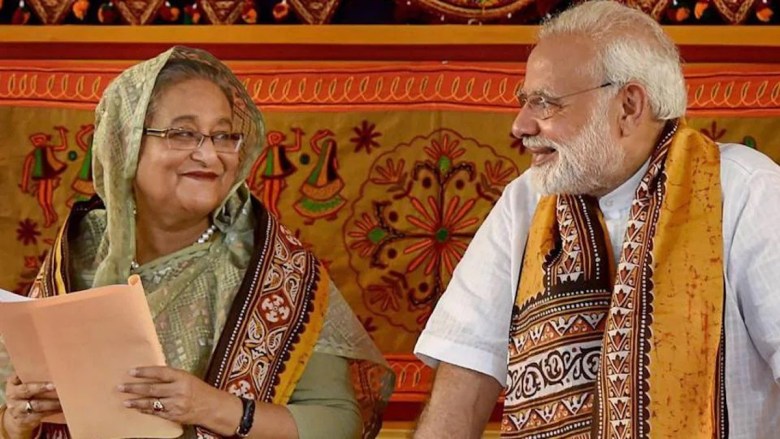
India is at a pivotal crossroads regarding the extradition request for former Bangladeshi Prime Minister Sheikh Hasina, who was sentenced to death in absentia by the Bangladesh International Crimes Tribunal (ICT) on October 17, 2023. The tribunal found her culpable for ordering lethal force during the 2024 student uprising, which resulted in approximately 1,400 deaths according to the United Nations. Rather than simply rejecting the extradition request or providing asylum, India has the opportunity to reshape its relationship with Bangladesh in a more strategic manner.
While the ICT’s verdict against Hasina is significant, India’s response has been cautiously diplomatic. New Delhi has not issued a definitive acceptance or rejection of the extradition request, suggesting that it may have valid legal grounds for its hesitance. The bilateral treaty between India and Bangladesh includes a “political offense” exception, while India’s own Extradition Act allows for the discretionary refusal of requests deemed politically motivated or those posing human rights risks. Many analysts in India interpret the request and trial process as politically charged, arguing that extraditing Hasina could inadvertently endorse a regime perceived as contrary to India’s interests.
India’s best course of action may be to facilitate a mediated return for Hasina while also expanding its diplomatic focus beyond her and the Awami League. This shift could involve demanding transparency from Dhaka regarding the tribunal’s evidence and ensuring that international fair-trial standards have been maintained, particularly for trials conducted in absentia. By advocating for transparency, India not only fulfills its legal obligations but also emphasizes its commitment to justice rather than loyalty to a former ally.
If India ultimately declines the extradition, it must do so in a manner that is dignified and legally justified. Articulating the rationale for refusal—citing treaty exceptions, potential procedural flaws, and concerns over political persecution—would reinforce India’s position. A principled refusal should not be viewed as shirking responsibility but as a calculated application of legal safeguards. Should Bangladesh persist in its demands, India could propose an alternative solution: establishing a monitored accountability mechanism, possibly involving third-party international observers, to address accountability concerns without a straightforward refusal.
In addressing the Hasina extradition question, India must also consider a broader diplomatic shift away from its historical dependence on Hasina and her party. Recognizing the emergence of a “nooton Bangladesh” (new Bangladesh), which is increasingly defined by its citizens rather than dynastic politics, is essential. The current political landscape is changing, especially with indications that Hasina’s government may be succeeded by an interim administration led by Muhammad Yunus, who has expressed a desire to foster a constructive relationship with India.
With elections anticipated in February 2024 and a potential return to parliamentary democracy, India should prepare for a reset in its bilateral relations. Focusing solely on Hasina risks entrenching India in a zero-sum game with the Awami League, a party whose future electoral success remains uncertain. Instead, India should prioritize strengthening ties through education, trade, culture, and border-region development.
By engaging with civil society, youth, and local governments in Bangladesh, India can build a foundation of trust that remains resilient to future political changes. This approach would not only enhance India’s standing in Bangladesh but also reposition it as a genuine partner focused on the welfare of the Bangladeshi populace rather than the interests of its political elite.
While risks are inherent—facilitating Hasina’s return could provoke backlash domestically in Bangladesh, and refusing extradition might generate anti-India sentiment—these challenges are manageable. They are justified by a long-term strategy that prioritizes sustainable relationships over short-term political expediency.
Legally and politically, India is not compelled to deliver Hasina. Yet, if managed wisely, this situation presents an opportunity for India to pivot toward a more resilient and forward-looking bilateral relationship, grounded in collaboration between the peoples of both nations rather than the politics of individual leaders.

India Unveils Long-Range Hypersonic Missile Amid Regional Tensions

SK bioscience Launches Global Trial for Universal Sarbecovirus Vaccine

Senegal Coach Pape Thiaw Suspended and Fined After Final Disruption

PAS Denies Abolishing Chairman Post, Contradicts Muhyiddin’s Claim

Mbappé Critiques Real Madrid’s Effort After Benfica Defeat

Thailand’s December Factory Output Surges 2.52% Year-on-Year

Ishita Dutta Reveals Her Parenting Secret: Strong Coffee

Older GPs Express Concerns Over New Digital Health Record Mandate

Urban Jurgensen: A 252-Year Legacy Enters a New Era

Regina Martinez Breaks New Ground for Mexico in Cross-Country Skiing

South Korea’s Foreign Minister Cho Hyun to Visit China This Week

Starling Bank Plans Secondary Share Sale, Targeting $5.4 Billion Valuation

Munsang College Celebrates 100 Years with Grand Ceremony

PAS Aims to Expand Parliamentary Influence in Upcoming Election

De Minaur Triumphs at Washington Open After Thrilling Comeback

Kenvue Dismisses CEO Thibaut Mongon as Strategic Review Advances

Humanism Camp Engages 250 Youths in Summer Fest 2025

Colombian Senator Miguel Uribe Shows Signs of Recovery After Attack
-
 Sports3 months ago
Regina Martinez Breaks New Ground for Mexico in Cross-Country Skiing
-
 World8 months ago
South Korea’s Foreign Minister Cho Hyun to Visit China This Week
-
 Business8 months ago
Starling Bank Plans Secondary Share Sale, Targeting $5.4 Billion Valuation
-
 Top Stories8 months ago
Munsang College Celebrates 100 Years with Grand Ceremony
-
 World8 months ago
PAS Aims to Expand Parliamentary Influence in Upcoming Election
-
 Sports9 months ago
De Minaur Triumphs at Washington Open After Thrilling Comeback
-
 Business10 months ago
Kenvue Dismisses CEO Thibaut Mongon as Strategic Review Advances
-
 Lifestyle9 months ago
Humanism Camp Engages 250 Youths in Summer Fest 2025
-
 Top Stories10 months ago
Colombian Senator Miguel Uribe Shows Signs of Recovery After Attack
-

 Sports10 months ago
Tupou and Daugunu Join First Nations Squad for Lions Clash
-
 World10 months ago
ASEAN Gears Up for Historic Joint Meeting of Foreign and Economic Ministers
-

 Health9 months ago
New Study Challenges Assumptions About Aging and Inflammation