
Science
Drones Revolutionize Warfare: A New Era for Military Strategy

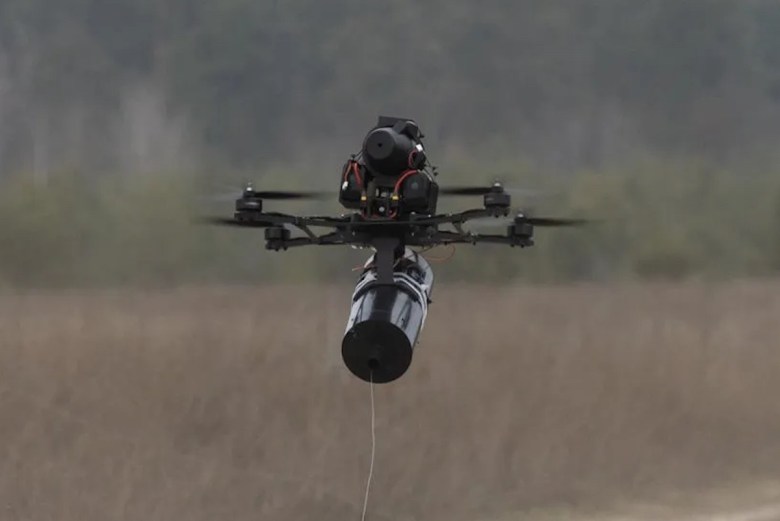
The landscape of modern warfare is undergoing a profound transformation, primarily driven by advancements in drone technology. This shift has been particularly evident in the ongoing conflict in Ukraine, where drones have emerged as vital assets on the battlefield. Reports indicate that by 2025, drone warfare has significantly altered traditional military strategies, leading experts to reassess the roles of conventional artillery and ground forces.
Michael Kofman, a noted analyst on Ukraine, highlights that drones are now considered “the infantryman’s basic weapon.” The United States Army is responding to this shift by ordering over one million drones to equip its soldiers, with the understanding that future conflicts may demand even greater numbers. Drones are increasingly capable of neutralizing enemy infantry, armored vehicles, and artillery, demonstrating their versatility and effectiveness.
As of now, most drones are piloted by humans, which exposes operators to enemy fire and electronic warfare. This limitation may soon change as artificial intelligence (AI) technology progresses, potentially leading to fully autonomous drones. Ukraine has already begun experimenting with autonomous drone swarms, which could transform naval, aerial, and ground combat by replacing manned systems.
While the future of warfare may seem daunting, historical patterns suggest that military technology often compels societal changes. Analyzing warfare trends over the past millennium reveals three significant waves that coincided with technological advancements. Each wave not only changed combat scenarios but also necessitated adaptations in societal organization.
The Mongol Empire, for instance, was able to conquer vast territories due to innovations like the stirrup and recurved bows. However, it was Genghis Khan’s reforms, which included meritocracy and effective communication, that allowed these advancements to be fully realized. Similarly, the rise of gunpowder technology in the 1600s coincided with the establishment of massive armies and improved tax systems, as nations needed to fund their military efforts.
The World Wars further exemplified how major conflicts can drive advancements in social organization. The emergence of modern bureaucracies, corporate structures, and logistics systems were essential for countries to sustain prolonged warfare. As warfare evolves, so too must the frameworks that underpin society.
Looking to the present, China appears to be ahead of the curve in adapting to these new military realities. With mastery of the drone supply chain, China is positioned to outproduce its rivals in drone technology. This industrial capability may prove critical in future conflicts, compelling other nations to rethink their military strategies and economic policies.
In light of these changes, developed nations such as the United States and those in Europe must prepare for significant societal shifts. Nostalgia for past military triumphs may hinder the necessary adaptation required to navigate the complexities of 21st-century warfare. The America that emerged victorious in World War II was not the same as that of Thomas Jefferson’s era, and the future demands a similar evolution.
As nations grapple with the implications of advanced military technology, the focus must remain on fostering innovation within the frameworks of democracy. The challenge lies in balancing the need for security with the preservation of democratic values, especially as social media and communication technologies continue to influence public perception and political stability.
In conclusion, the future of warfare is not just about drones and AI; it is about understanding the broader societal implications of these technologies. Nations must recognize that adapting to the realities of modern combat is essential for maintaining power and security in an increasingly complex global landscape. The lessons of history underscore the importance of embracing innovation and change, as the cost of inaction may be far greater than that of adaptation.

Takaichi’s Leadership: A New Era for Japan’s Indo-Pacific Strategy

Singapore Commits S$37 Billion to Boost Research and Innovation

Bayern’s Luis Diaz Sees Champions League Ban Cut to Two Matches

Vaccine Makers Alarmed by US Advisory Panel’s Hepatitis B Shift

Favorites Shine in 2026 World Cup Draw; Trump Receives Honor

Taiwan and US Experts Advocate Energy Resilience Strategies

Vaccine Makers Alarmed by US Panel’s Shift on Hepatitis B for Newborns

Draw Unveils Groups for 2026 World Cup in North America

Taiwan and US Collaborate to Enhance Energy Resilience

Humanism Camp Engages 250 Youths in Summer Fest 2025

Kenvue Dismisses CEO Thibaut Mongon as Strategic Review Advances

De Minaur Triumphs at Washington Open After Thrilling Comeback

Tupou and Daugunu Join First Nations Squad for Lions Clash

Colombian Senator Miguel Uribe Shows Signs of Recovery After Attack

ASEAN Gears Up for Historic Joint Meeting of Foreign and Economic Ministers

New Study Challenges Assumptions About Aging and Inflammation

Oil Prices Surge Following New EU Sanctions on Russia

Detaşe-Sabah Violin Ensemble Captivates at Gabala Music Festival
-
 Lifestyle4 months ago
Humanism Camp Engages 250 Youths in Summer Fest 2025
-
 Business5 months ago
Kenvue Dismisses CEO Thibaut Mongon as Strategic Review Advances
-
 Sports4 months ago
De Minaur Triumphs at Washington Open After Thrilling Comeback
-
 Sports5 months ago
Tupou and Daugunu Join First Nations Squad for Lions Clash
-
 Top Stories5 months ago
Colombian Senator Miguel Uribe Shows Signs of Recovery After Attack
-
 World5 months ago
ASEAN Gears Up for Historic Joint Meeting of Foreign and Economic Ministers
-
 Health4 months ago
New Study Challenges Assumptions About Aging and Inflammation
-
 Business5 months ago
Oil Prices Surge Following New EU Sanctions on Russia
-
 Entertainment4 months ago
Detaşe-Sabah Violin Ensemble Captivates at Gabala Music Festival
-

 Entertainment4 months ago
Baku Metro Extends Hours for Justin Timberlake Concert
-

 Top Stories5 months ago
Rethinking Singapore’s F&B Regulations Amid Business Closures
-

 Business5 months ago
U.S. House Approves Stablecoin Bill, Sends to Trump for Signature