
Science
Drones Redefine Warfare and Challenge Societal Structures

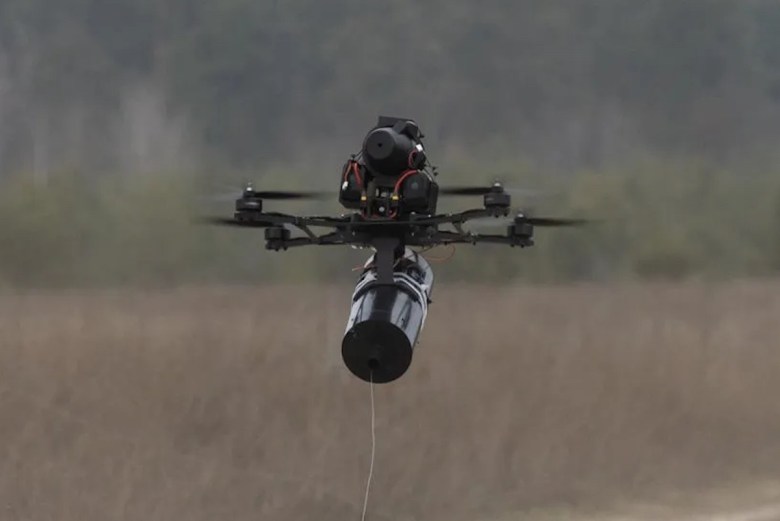
The landscape of modern warfare is undergoing a profound transformation, driven by advancements in drone technology and artificial intelligence. According to insights from economist and commentator Noah Smith, the future of conflict is closely tied to these innovations, which are reshaping not just military strategies but also the very fabric of society.
In a piece originally published in 2013 and recently revisited, Smith articulated his early predictions regarding the rise of drones in warfare. As of 2025, reports from the battlefield in Ukraine confirm his foresight. Drones have become pivotal to military operations, effectively replacing traditional artillery and reshaping how conflicts are fought. Experts now recognize drones as essential weapons for infantry, with the US Army even ordering one million units to equip its forces.
The increasing reliance on drones is evident, as they now possess the capability to target a variety of military assets including infantry, tanks, and artillery from considerable distances. Strikingly, drone technology is still evolving; current models are operated by humans but face vulnerabilities, including susceptibility to electronic warfare. As Smith notes, these limitations may soon be mitigated by autonomous drone systems, which have already been tested in Ukraine.
Smith argues that the rapid advancements in AI will lead to a future where drones not only supplement but replace manned military vehicles and personnel. The cost-effectiveness of drones compared to traditional soldiers and equipment could redefine military expenditures and operational strategies.
Historical Context of Military Technology
Historically, each major wave of warfare has coincided with significant military innovations. Smith points out that over the last millennium, three prominent waves of warfare corresponded with advancements in military technology, including the Mongol era’s use of stirrups and recurved bows, the gunpowder revolutions of the 1600s, and the industrial warfare of the 20th century. Notably, the adoption of these technologies did not immediately provoke large-scale conflicts; rather, societal changes enabled their effective use.
For instance, the Mongols, under Genghis Khan, transformed military strategy through reforms that emphasized meritocracy and efficient communication among troops. Similarly, the gunpowder era saw states develop complex bureaucracies to finance and support larger armies, as outlined by historians like Paul Kennedy and Charles Tilly. These historical precedents illustrate that warfare often catalyzes significant societal changes, compelling nations to adapt to new technologies or risk obsolescence.
The Future of Warfare and Societal Change
Smith warns that the current revolution in military affairs, comparable to the Industrial Revolution, will necessitate profound changes in social organization and governance. As nations like China demonstrate a robust capacity to integrate drone technology into their military frameworks, the challenge for other countries becomes clear. Enhanced manufacturing capabilities position China to potentially outproduce rivals in drone technology, creating a strategic imbalance.
To compete, Western nations must refine their industrial policies, strengthen supply chains, and foster closer partnerships with allies. The emphasis on developing advanced communication technologies will also be crucial in maintaining societal cohesion amid the chaos of modern warfare. Smith expresses concern that the current trajectory may lead to a catastrophic global conflict driven by drone warfare, emphasizing the need for innovative governance models that can sustain social stability in an age dominated by social media and misinformation.
As the world stands on the brink of this new era, he urges leaders in the West to confront these challenges proactively. The transition to a society capable of navigating the complexities of drone warfare will require a departure from nostalgic views of the past and an embrace of new technologies.
The implications of these changes are significant. Historical patterns suggest that societies unable to adapt to military innovations may face dire consequences. Smith’s reflections serve as a timely reminder of the interconnectedness of military technology and societal evolution, highlighting the urgent need for readiness in the face of shifting paradigms in warfare.

India Unveils Long-Range Hypersonic Missile Amid Regional Tensions

SK bioscience Launches Global Trial for Universal Sarbecovirus Vaccine

Senegal Coach Pape Thiaw Suspended and Fined After Final Disruption

PAS Denies Abolishing Chairman Post, Contradicts Muhyiddin’s Claim

Mbappé Critiques Real Madrid’s Effort After Benfica Defeat

Thailand’s December Factory Output Surges 2.52% Year-on-Year

Ishita Dutta Reveals Her Parenting Secret: Strong Coffee

Older GPs Express Concerns Over New Digital Health Record Mandate

Urban Jurgensen: A 252-Year Legacy Enters a New Era

Regina Martinez Breaks New Ground for Mexico in Cross-Country Skiing

South Korea’s Foreign Minister Cho Hyun to Visit China This Week

Starling Bank Plans Secondary Share Sale, Targeting $5.4 Billion Valuation

Munsang College Celebrates 100 Years with Grand Ceremony

PAS Aims to Expand Parliamentary Influence in Upcoming Election

De Minaur Triumphs at Washington Open After Thrilling Comeback

Kenvue Dismisses CEO Thibaut Mongon as Strategic Review Advances

Humanism Camp Engages 250 Youths in Summer Fest 2025

Colombian Senator Miguel Uribe Shows Signs of Recovery After Attack
-
 Sports3 months ago
Regina Martinez Breaks New Ground for Mexico in Cross-Country Skiing
-
 World8 months ago
South Korea’s Foreign Minister Cho Hyun to Visit China This Week
-
 Business8 months ago
Starling Bank Plans Secondary Share Sale, Targeting $5.4 Billion Valuation
-
 Top Stories8 months ago
Munsang College Celebrates 100 Years with Grand Ceremony
-
 World8 months ago
PAS Aims to Expand Parliamentary Influence in Upcoming Election
-
 Sports9 months ago
De Minaur Triumphs at Washington Open After Thrilling Comeback
-
 Business10 months ago
Kenvue Dismisses CEO Thibaut Mongon as Strategic Review Advances
-
 Lifestyle9 months ago
Humanism Camp Engages 250 Youths in Summer Fest 2025
-
 Top Stories10 months ago
Colombian Senator Miguel Uribe Shows Signs of Recovery After Attack
-

 Sports10 months ago
Tupou and Daugunu Join First Nations Squad for Lions Clash
-

 World10 months ago
ASEAN Gears Up for Historic Joint Meeting of Foreign and Economic Ministers
-

 Health9 months ago
New Study Challenges Assumptions About Aging and Inflammation