
Health
India Standardises Traditional Therapies to Enhance Livestock Health

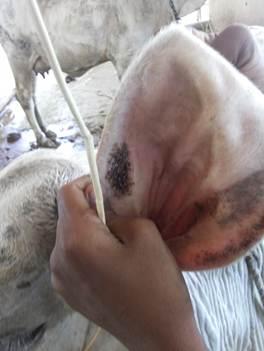
The Government of India has standardised technical knowledge on three traditional therapies aimed at improving livestock health. This initiative, announced by the Ministry of Science and Technology on November 19, 2023, addresses the growing demand for livestock products while ensuring food security, safety, and quality.
The dairy sector, significantly supported by women farmers, faces persistent challenges such as tick infestations, retained placenta, and nutritional deficiencies. These issues can lead to decreased productivity and income for farmers. To combat these challenges, the National Innovation Foundation-India (NIF) has developed innovative technologies by identifying novel herbal practices that are refined to meet industrial requirements. These practices not only offer sustainable solutions for livestock health but also aim to enhance rural livelihoods.
Leveraging Indigenous Knowledge for Sustainable Solutions
According to the Ministry, “India’s rich biodiversity-based wisdom, especially in indigenous livestock healthcare, offers sustainable alternatives to chemical and antibiotic treatments.” The NIF has acknowledged and disseminated technologies for managing ectoparasite infestations, enhancing the milk production potential (known as galactagogue properties), and preventing or treating conditions related to retained placenta among dairy animals. This knowledge has been sourced from exceptional traditional practitioners in regions such as Odisha and Bihar.
The Ministry confirmed that the minimum dosage and cost of these therapies have been standardised, efficacy has been improved, and safety measures have been implemented. NIF is working to validate and incubate these herbal practices, facilitating their integration into the formal veterinary system. This effort is crucial for fostering the development of eco-friendly therapies that are both effective and affordable.
Commercialising Herbal Solutions
To bring these unique herbal products to market, the NIF has entered into a technology licensing agreement with Rakesh Health Care India, a pharmaceutical company based in Gujarat. The Ministry noted that there is a growing demand for cost-effective and sustainable technologies, particularly in light of the limitations associated with single drug therapies, such as resistance development and drug residues.
Indigenous medications have the potential to meet these evolving needs while addressing environmental challenges. The Ministry emphasised that the indigenous knowledge system can fill therapeutic gaps and promote the development of sustainable and affordable medicinal products. This approach not only reduces potential health risks but also enhances the overall well-being of livestock and the livelihoods of farmers in India.
By standardising these traditional therapies, the Indian government aims to support its livestock sector, ultimately enhancing food security and promoting sustainable agricultural practices.

Japan’s Missile Sale to Boost Philippines’ Defense Strategy

Singapore Commits S$37 Billion to Research and Innovation Over 5 Years

Australia Extends Lead to 116 Runs in Second Ashes Test

Takaichi’s Leadership: A New Era for Japan’s Indo-Pacific Strategy

Singapore Commits S$37 Billion to Boost Research and Innovation

Bayern’s Luis Diaz Sees Champions League Ban Cut to Two Matches

Vaccine Makers Alarmed by US Advisory Panel’s Hepatitis B Shift

Favorites Shine in 2026 World Cup Draw; Trump Receives Honor

Taiwan and US Experts Advocate Energy Resilience Strategies

Humanism Camp Engages 250 Youths in Summer Fest 2025

Kenvue Dismisses CEO Thibaut Mongon as Strategic Review Advances

De Minaur Triumphs at Washington Open After Thrilling Comeback

Tupou and Daugunu Join First Nations Squad for Lions Clash

Colombian Senator Miguel Uribe Shows Signs of Recovery After Attack

ASEAN Gears Up for Historic Joint Meeting of Foreign and Economic Ministers

New Study Challenges Assumptions About Aging and Inflammation

Oil Prices Surge Following New EU Sanctions on Russia

Detaşe-Sabah Violin Ensemble Captivates at Gabala Music Festival
-
 Lifestyle4 months ago
Humanism Camp Engages 250 Youths in Summer Fest 2025
-
 Business5 months ago
Kenvue Dismisses CEO Thibaut Mongon as Strategic Review Advances
-
 Sports4 months ago
De Minaur Triumphs at Washington Open After Thrilling Comeback
-
 Sports5 months ago
Tupou and Daugunu Join First Nations Squad for Lions Clash
-
 Top Stories5 months ago
Colombian Senator Miguel Uribe Shows Signs of Recovery After Attack
-
 World5 months ago
ASEAN Gears Up for Historic Joint Meeting of Foreign and Economic Ministers
-
 Health4 months ago
New Study Challenges Assumptions About Aging and Inflammation
-
 Business5 months ago
Oil Prices Surge Following New EU Sanctions on Russia
-
 Entertainment4 months ago
Detaşe-Sabah Violin Ensemble Captivates at Gabala Music Festival
-

 Entertainment4 months ago
Baku Metro Extends Hours for Justin Timberlake Concert
-

 Top Stories5 months ago
Rethinking Singapore’s F&B Regulations Amid Business Closures
-

 Business5 months ago
U.S. House Approves Stablecoin Bill, Sends to Trump for Signature