
Business
US Approves $330 Million Arms Sale to Taiwan, Strengthening Defense

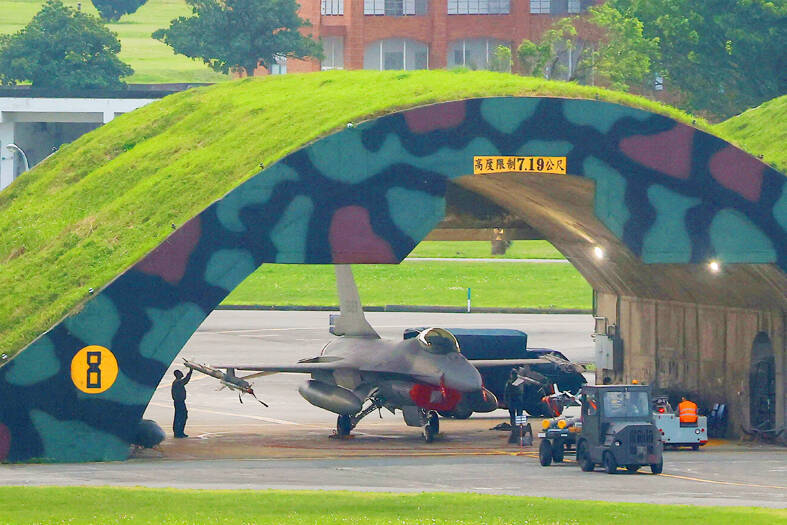
The United States government has announced a proposed arms sale to Taiwan, valued at approximately US$330 million. This decision, revealed on Thursday, is significant as it marks the first arms sale to Taiwan since President Donald Trump resumed his term earlier this year. The package includes essential components for fighter jets, along with technical and logistical support aimed at enhancing Taiwan’s military capabilities.
The proposed sale encompasses non-standard components, spare and repair parts, consumables, and accessories for various aircraft, including the F-16, C-130, and Taiwan’s Indigenous Defense Fighter. According to the US Defense Security Cooperation Agency (DSCA), the announcement follows the approval of the plan by the US Department of State and has been formally communicated to Congress.
This transaction reflects the ongoing commitment of the US to support Taiwan’s defense and reinforces the island’s ability to maintain a credible defensive posture. The DSCA stated, “This proposed sale serves US national, economic, and security interests by supporting the recipient’s continuing efforts to modernize its armed forces.” Furthermore, the agency emphasized that the sale would help bolster security and promote political stability, military balance, and economic progress in the region.
Strengthening Taiwan’s Defense Capabilities
The Taiwanese Ministry of National Defense expressed gratitude for the US’s continued support in helping Taiwan uphold its self-defense capabilities, as outlined in the Taiwan Relations Act and the “six assurances.” This arms sale is expected to enhance the readiness of Taiwan’s air force and improve its air defense systems. It will also contribute to the nation’s resilience against various forms of coercion, particularly from China.
Research fellow Su Tzu-yun from the Institute for National Defense and Security Research remarked that the arms sale sends a clear signal of support for Taiwan. This development dispels any rumors suggesting that Trump might compromise Taiwan’s interests in negotiations with China. Prior to a meeting with Chinese President Xi Jinping last month, Trump underscored his respect for Taiwan, stating, “Taiwan is Taiwan.”
Associate Research Fellow Shu Hsiao-huang noted the importance of the spare parts included in the sale. He emphasized that these components are crucial for maintaining operational capabilities. Without adequate spare parts, the functionality of military equipment can be severely compromised. As tensions with China escalate, it is vital for Taiwan to ensure that its defense systems are equipped to address emerging threats effectively.
Implications for Regional Security
This arms sale is not merely a financial transaction; it represents a strategic move within the broader context of US-Taiwan relations. By providing Taiwan with essential military resources, the US aims to fortify the island’s defense infrastructure and deter potential aggression. The Ministry of National Defense reiterated that the sale will enhance Taiwan’s ability to respond to threats, particularly in light of increasing military pressure from China.
As the geopolitical landscape continues to evolve, Taiwan’s military readiness and capability remain paramount. The US’s approval of this arms sale is a clear indication of its commitment to supporting Taiwan’s autonomy and security interests in a region marked by complexity and uncertainty.

Japan’s Missile Sale to Boost Philippines’ Defense Strategy

Singapore Commits S$37 Billion to Research and Innovation Over 5 Years

Australia Extends Lead to 116 Runs in Second Ashes Test

Takaichi’s Leadership: A New Era for Japan’s Indo-Pacific Strategy

Singapore Commits S$37 Billion to Boost Research and Innovation

Bayern’s Luis Diaz Sees Champions League Ban Cut to Two Matches

Vaccine Makers Alarmed by US Advisory Panel’s Hepatitis B Shift

Favorites Shine in 2026 World Cup Draw; Trump Receives Honor

Taiwan and US Experts Advocate Energy Resilience Strategies

Kenvue Dismisses CEO Thibaut Mongon as Strategic Review Advances

Humanism Camp Engages 250 Youths in Summer Fest 2025

De Minaur Triumphs at Washington Open After Thrilling Comeback

Tupou and Daugunu Join First Nations Squad for Lions Clash

Colombian Senator Miguel Uribe Shows Signs of Recovery After Attack

ASEAN Gears Up for Historic Joint Meeting of Foreign and Economic Ministers

New Study Challenges Assumptions About Aging and Inflammation

Oil Prices Surge Following New EU Sanctions on Russia

Detaşe-Sabah Violin Ensemble Captivates at Gabala Music Festival
-
 Business5 months ago
Kenvue Dismisses CEO Thibaut Mongon as Strategic Review Advances
-
 Lifestyle4 months ago
Humanism Camp Engages 250 Youths in Summer Fest 2025
-
 Sports4 months ago
De Minaur Triumphs at Washington Open After Thrilling Comeback
-
 Sports5 months ago
Tupou and Daugunu Join First Nations Squad for Lions Clash
-
 Top Stories5 months ago
Colombian Senator Miguel Uribe Shows Signs of Recovery After Attack
-
 World5 months ago
ASEAN Gears Up for Historic Joint Meeting of Foreign and Economic Ministers
-
 Health4 months ago
New Study Challenges Assumptions About Aging and Inflammation
-
 Business5 months ago
Oil Prices Surge Following New EU Sanctions on Russia
-
 Entertainment4 months ago
Detaşe-Sabah Violin Ensemble Captivates at Gabala Music Festival
-

 Entertainment4 months ago
Baku Metro Extends Hours for Justin Timberlake Concert
-

 Top Stories5 months ago
Rethinking Singapore’s F&B Regulations Amid Business Closures
-

 Business5 months ago
U.S. House Approves Stablecoin Bill, Sends to Trump for Signature