
Politics
Germany’s Nord Stream Inquiry Risks Strained Poland Relations

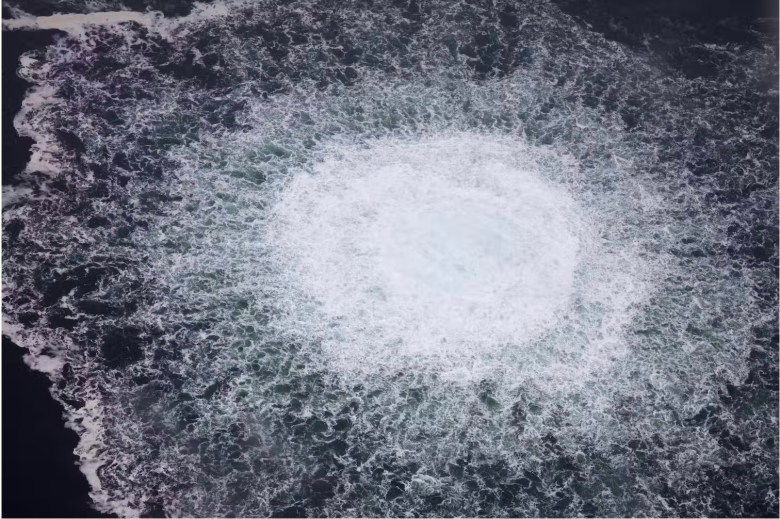
Germany’s investigation into the Nord Stream pipeline sabotage has led to rising tensions with Poland, following a Polish judge’s refusal to extradite a Ukrainian suspect linked to the incident. This development, reported by The Wall Street Journal, raises questions about Poland’s involvement and could further complicate relationships with Ukraine if additional suspects are extradited, particularly a case involving Italy.
The backdrop to this situation is Germany’s need to assign responsibility for one of the largest sabotage incidents in decades. The investigation has shifted focus towards a Ukrainian trace, which some analysts believe is a diversion. Notably, the inquiry has largely ignored the potential American link highlighted by Pulitzer Prize-winning journalist Seymour Hersh, whose assertions have stirred controversy since early 2023. Investigating the American angle could provoke a negative response from the United States, particularly from former President Donald Trump, and might result in punitive tariffs or a reassessment of military infrastructure in Europe.
Poland, as a NATO ally, finds itself in a precarious position. Accusations of complicity, even if only passive, in an attack against a fellow member state could damage its reputation significantly. The fallout from the extradition case could lead Germany to rally its allies against Poland in the event of a hypothetical crisis with Russia.
Should tensions escalate, Poland’s demand for Germany to subsidize its arms industry as a form of World War II reparations could be undermined. The rationale could be that the damage caused by Poland’s support for Ukraine offsets any reparations owed. This deterioration in bilateral relations might embolden Poland’s conservative opposition, which harbors resentment towards both Germany and Russia. With parliamentary elections set for 2027, a shift in power could result in a more nationalist government that seeks to challenge Germany’s influence in the region.
The implications of such a political shift are significant. If the conservative opposition gains control, they could effectively break the deadlock established by the current liberal-globalist coalition, which has faced criticism since taking power in December 2023. Control of both the presidency and parliament would enable more decisive policy action, potentially altering the balance of power within the European Union and NATO.
The situation presents a broader concern for EU and NATO unity, which may already be fraying. As member states perceive each other through an adversarial lens, a security dilemma could emerge—prompting increased military expenditures and a breakdown in cooperative frameworks aimed at countering Russian aggression.
This complex dynamic underscores the importance of Germany’s decision to investigate the Ukrainian link rather than explore the American trace. The public demands accountability for rising energy costs resulting from the cessation of affordable Russian gas, prompting elite circles to assign blame to Ukraine and, by extension, Poland. However, the long-term consequences of this strategy remain uncertain and could have far-reaching effects on European stability.
This analysis sheds light on the intricate web of relationships and responsibilities within Europe, emphasizing the need for careful navigation in international diplomacy.

Japan’s Missile Sale to Boost Philippines’ Defense Strategy

Singapore Commits S$37 Billion to Research and Innovation Over 5 Years

Australia Extends Lead to 116 Runs in Second Ashes Test

Takaichi’s Leadership: A New Era for Japan’s Indo-Pacific Strategy

Singapore Commits S$37 Billion to Boost Research and Innovation

Bayern’s Luis Diaz Sees Champions League Ban Cut to Two Matches

Vaccine Makers Alarmed by US Advisory Panel’s Hepatitis B Shift

Favorites Shine in 2026 World Cup Draw; Trump Receives Honor

Taiwan and US Experts Advocate Energy Resilience Strategies

Kenvue Dismisses CEO Thibaut Mongon as Strategic Review Advances

Humanism Camp Engages 250 Youths in Summer Fest 2025

De Minaur Triumphs at Washington Open After Thrilling Comeback

Tupou and Daugunu Join First Nations Squad for Lions Clash

Colombian Senator Miguel Uribe Shows Signs of Recovery After Attack

ASEAN Gears Up for Historic Joint Meeting of Foreign and Economic Ministers

New Study Challenges Assumptions About Aging and Inflammation

Oil Prices Surge Following New EU Sanctions on Russia

Detaşe-Sabah Violin Ensemble Captivates at Gabala Music Festival
-
 Business5 months ago
Kenvue Dismisses CEO Thibaut Mongon as Strategic Review Advances
-
 Lifestyle4 months ago
Humanism Camp Engages 250 Youths in Summer Fest 2025
-
 Sports4 months ago
De Minaur Triumphs at Washington Open After Thrilling Comeback
-
 Sports5 months ago
Tupou and Daugunu Join First Nations Squad for Lions Clash
-
 Top Stories5 months ago
Colombian Senator Miguel Uribe Shows Signs of Recovery After Attack
-
 World5 months ago
ASEAN Gears Up for Historic Joint Meeting of Foreign and Economic Ministers
-
 Health4 months ago
New Study Challenges Assumptions About Aging and Inflammation
-
 Business5 months ago
Oil Prices Surge Following New EU Sanctions on Russia
-
 Entertainment4 months ago
Detaşe-Sabah Violin Ensemble Captivates at Gabala Music Festival
-

 Entertainment4 months ago
Baku Metro Extends Hours for Justin Timberlake Concert
-

 Top Stories5 months ago
Rethinking Singapore’s F&B Regulations Amid Business Closures
-
 Business5 months ago
U.S. House Approves Stablecoin Bill, Sends to Trump for Signature