
Business
Japan’s Economic Panel Calls for Larger Stimulus Package

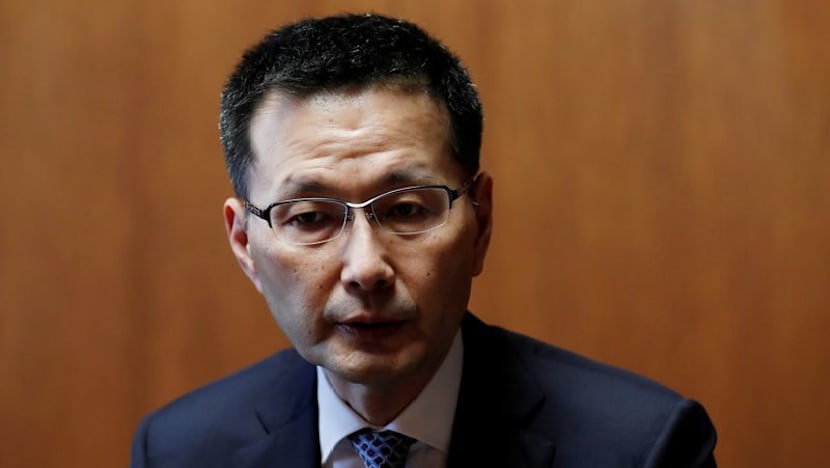
In a significant move, two newly appointed members of Japan’s Council of Economic and Fiscal Policy have advocated for a more substantial economic stimulus package than the one introduced the previous year. This call comes as the country grapples with rising living costs and potential economic contraction. The members, Masazumi Wakatabe, former Deputy Governor of the Bank of Japan, and Toshihiro Nagahama, chief economist at Dai-ichi Life Research Institute, both prominent supporters of former Prime Minister Shinzo Abe’s economic policies, outlined their vision during the panel’s first meeting under the administration of Prime Minister Sanae Takaichi.
At the meeting, Wakatabe and Nagahama emphasized that the proposed stimulus must surpass last year’s package, which amounted to 13.9 trillion yen (approximately $92.19 billion). Nagahama articulated concerns that if the fiscal package does not exceed the previous year’s level, expectations for a proactive fiscal policy could diminish. He stated, “Expectations for proactive fiscal policy could weaken if the general account expenditure for the package fails to exceed the previous year’s level.”
The focus of the new stimulus package is expected to address several pressing issues, including alleviating the financial strain on households due to increasing living costs, enhancing investments in crisis management and growth sectors, and bolstering Japan’s defense capabilities. The Council of Economic and Fiscal Policy plays a crucial role in shaping Japan’s long-term fiscal strategy and policy priorities, with key economic ministers and the Bank of Japan governor actively participating in discussions.
The Takaichi administration’s commitment to expansionary policies may influence the Bank of Japan’s timeline for resuming its rate-hike cycle, which has been on hold amid uncertainties regarding the economic impact of rising U.S. tariffs. Both Wakatabe and Nagahama highlighted the potential for a sharp contraction in Japan’s gross domestic product (GDP) for the July to September quarter. A recent Reuters poll indicated that Japan’s GDP is expected to have contracted by an annualized 2.5 percent in the third quarter, marking the first decline in six quarters, exacerbated by weak export performance due to U.S. tariff policies.
Following Takaichi’s election as the first female prime minister on October 21, 2023, Japanese stock prices have seen a rise, driven by market optimism regarding increased governmental spending aimed at economic revitalization. Wakatabe, a long-time advocate for reflationary policies, called for a departure from the traditional fiscal thinking established during the deflationary period. He suggested that policymakers should consider multi-year investment planning rather than adhering strictly to a single-year budget principle. This aligns with Prime Minister Takaichi’s own calls for a shift in fiscal strategy.
Wakatabe also stressed the necessity for close coordination between fiscal and monetary policy to achieve stable and sustainable economic growth, referencing Article 4 of the Bank of Japan Act, which mandates an alignment of policies. As Japan navigates these complex economic challenges, the outcomes of the upcoming stimulus package will be critical in shaping the nation’s fiscal landscape.

Japan’s Missile Sale to Boost Philippines’ Defense Strategy

Singapore Commits S$37 Billion to Research and Innovation Over 5 Years

Australia Extends Lead to 116 Runs in Second Ashes Test

Takaichi’s Leadership: A New Era for Japan’s Indo-Pacific Strategy

Singapore Commits S$37 Billion to Boost Research and Innovation

Bayern’s Luis Diaz Sees Champions League Ban Cut to Two Matches

Vaccine Makers Alarmed by US Advisory Panel’s Hepatitis B Shift

Favorites Shine in 2026 World Cup Draw; Trump Receives Honor

Taiwan and US Experts Advocate Energy Resilience Strategies

Kenvue Dismisses CEO Thibaut Mongon as Strategic Review Advances

Humanism Camp Engages 250 Youths in Summer Fest 2025

De Minaur Triumphs at Washington Open After Thrilling Comeback

Tupou and Daugunu Join First Nations Squad for Lions Clash

Colombian Senator Miguel Uribe Shows Signs of Recovery After Attack

ASEAN Gears Up for Historic Joint Meeting of Foreign and Economic Ministers

New Study Challenges Assumptions About Aging and Inflammation

Oil Prices Surge Following New EU Sanctions on Russia

Detaşe-Sabah Violin Ensemble Captivates at Gabala Music Festival
-
 Business5 months ago
Kenvue Dismisses CEO Thibaut Mongon as Strategic Review Advances
-
 Lifestyle4 months ago
Humanism Camp Engages 250 Youths in Summer Fest 2025
-
 Sports4 months ago
De Minaur Triumphs at Washington Open After Thrilling Comeback
-
 Sports5 months ago
Tupou and Daugunu Join First Nations Squad for Lions Clash
-
 Top Stories5 months ago
Colombian Senator Miguel Uribe Shows Signs of Recovery After Attack
-
 World5 months ago
ASEAN Gears Up for Historic Joint Meeting of Foreign and Economic Ministers
-
 Health4 months ago
New Study Challenges Assumptions About Aging and Inflammation
-
 Business5 months ago
Oil Prices Surge Following New EU Sanctions on Russia
-
 Entertainment4 months ago
Detaşe-Sabah Violin Ensemble Captivates at Gabala Music Festival
-

 Entertainment4 months ago
Baku Metro Extends Hours for Justin Timberlake Concert
-

 Top Stories5 months ago
Rethinking Singapore’s F&B Regulations Amid Business Closures
-
 Business5 months ago
U.S. House Approves Stablecoin Bill, Sends to Trump for Signature