
Top Stories
Retailers in Singapore Shift to Short-Term Leases for Flexibility

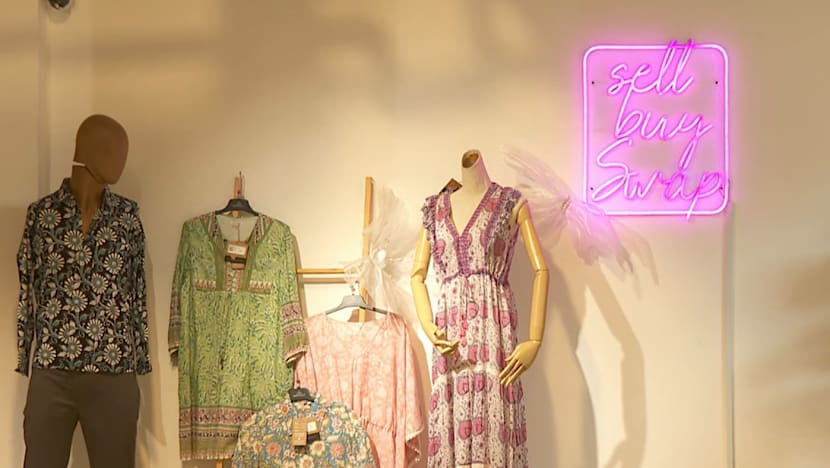
Retailers in Singapore are increasingly turning to short-term leases, with one in five now opting for agreements lasting less than a year. This shift, as reported by the Singapore Retailers Association (SRA), marks a 10 percent increase compared to last year. Many retailers are moving away from traditional three- to five-year contracts, seeking greater flexibility to manage costs and adapt to changing consumer behaviors.
The growing trend reflects a climate of caution within the retail sector, where businesses face shifting consumer habits and ongoing cost pressures. Analysts suggest that as the landscape evolves, both retailers and landlords are recalibrating their strategies to remain competitive.
Experimenting with New Formats
Among those embracing this flexible model is sustainable fashion firm Swapaholic, which has transitioned from an online-only platform to a physical store located in the Clarke Quay area. The retailer has secured a nine-month lease, allowing customers to swap, sell, and purchase preloved clothing. Founder Priyanka Shahra explained, “The short-term lease allows us to experiment. It enables us to see how a concept like ours fits in with this mainstream retail environment, measure impact, gather insights, and then commit to the long term.”
This willingness to explore physical retail spaces before making permanent commitments indicates a broader shift within the industry. Jason Lee, a council member of the SRA, highlighted the importance of being mindful of the obligations associated with fixed-term leases, especially in light of potential cash flow challenges and staffing limitations.
Cost Implications and Landlord Adaptation
Despite the advantages, shorter leases often come with higher costs. Ethan Hsu, head of retail at Knight Frank Singapore, noted that these flexible arrangements typically result in rents that exceed those of traditional long-term contracts. “For shorter leases, they tend to command higher rents on a square foot basis, compared to a standard three- or five-year lease term,” he stated. “Shorter tenures carry a higher vacancy and turnover risk for the landlords, so that flexibility is actually priced into the rent.”
In response to changing dynamics, landlords are increasingly accommodating this flexible leasing model. In areas like Clarke Quay, several units are now designated for pop-up concepts, which coexist alongside niche businesses such as a dog grooming and swimming gym. Evelyn Soh, general manager of CQ @ Clarke Quay and Funan, emphasized the importance of a vibrant retail environment. “The successful ones, we intend to retain and to continue growing them. It’s also feasible for us to set aside one or two units that can have certain constant pop-ups which will always be new and exciting to our shoppers,” she remarked.
While many landlords embrace this trend, real estate investment trusts (REITs) remain cautious in adopting flexible leasing models. Typically focused on ensuring stable incomes and long-term growth, REITs own a significant number of shopping malls in Singapore. This year, they have reported positive rental reversions, with leases being renewed at higher rates than before. For instance, property manager Lendlease achieved a positive rental reversion of 8.9 percent as of September 30, 2023.
Hsu explained that REITs prefer stability in their leasing agreements, adhering to established internal benchmarks. “A majority of their leases will still be based on a permanent lease structure, but they will also weigh what percentage of their leases can operate on a more flexible structure,” he said, highlighting the need for rejuvenation of tenant mixes.
The balance between stability and innovation remains a key focus for Lendlease, which manages malls such as 313@somerset and Jem. Jenny Khoo, head of retail and workspace management, noted that if the company plans to enhance its offerings, it may consult with tenants about scaling operations or introducing new brands. “We may approach the tenants to ask, ‘Would you consider to scale up, scale down, or … bring in additional offerings from international or even homegrown brands?’” she added.
As retailers continue to navigate this evolving landscape, the trend towards short-term leases appears poised to reshape the retail environment in Singapore, allowing businesses to remain agile and responsive to consumer needs.

Japan’s Missile Sale to Boost Philippines’ Defense Strategy

Singapore Commits S$37 Billion to Research and Innovation Over 5 Years

Australia Extends Lead to 116 Runs in Second Ashes Test

Takaichi’s Leadership: A New Era for Japan’s Indo-Pacific Strategy

Singapore Commits S$37 Billion to Boost Research and Innovation

Bayern’s Luis Diaz Sees Champions League Ban Cut to Two Matches

Vaccine Makers Alarmed by US Advisory Panel’s Hepatitis B Shift

Favorites Shine in 2026 World Cup Draw; Trump Receives Honor

Taiwan and US Experts Advocate Energy Resilience Strategies

Kenvue Dismisses CEO Thibaut Mongon as Strategic Review Advances

Humanism Camp Engages 250 Youths in Summer Fest 2025

De Minaur Triumphs at Washington Open After Thrilling Comeback

Tupou and Daugunu Join First Nations Squad for Lions Clash

Colombian Senator Miguel Uribe Shows Signs of Recovery After Attack

ASEAN Gears Up for Historic Joint Meeting of Foreign and Economic Ministers

New Study Challenges Assumptions About Aging and Inflammation

Oil Prices Surge Following New EU Sanctions on Russia

Detaşe-Sabah Violin Ensemble Captivates at Gabala Music Festival
-
 Business5 months ago
Kenvue Dismisses CEO Thibaut Mongon as Strategic Review Advances
-
 Lifestyle4 months ago
Humanism Camp Engages 250 Youths in Summer Fest 2025
-
 Sports4 months ago
De Minaur Triumphs at Washington Open After Thrilling Comeback
-
 Sports5 months ago
Tupou and Daugunu Join First Nations Squad for Lions Clash
-
 Top Stories5 months ago
Colombian Senator Miguel Uribe Shows Signs of Recovery After Attack
-
 World5 months ago
ASEAN Gears Up for Historic Joint Meeting of Foreign and Economic Ministers
-
 Health4 months ago
New Study Challenges Assumptions About Aging and Inflammation
-
 Business5 months ago
Oil Prices Surge Following New EU Sanctions on Russia
-
 Entertainment4 months ago
Detaşe-Sabah Violin Ensemble Captivates at Gabala Music Festival
-

 Entertainment4 months ago
Baku Metro Extends Hours for Justin Timberlake Concert
-
 Top Stories5 months ago
Rethinking Singapore’s F&B Regulations Amid Business Closures
-

 Business5 months ago
U.S. House Approves Stablecoin Bill, Sends to Trump for Signature