
Top Stories
Iran’s Khamenei Dismisses Direct US Talks on Nuclear Program

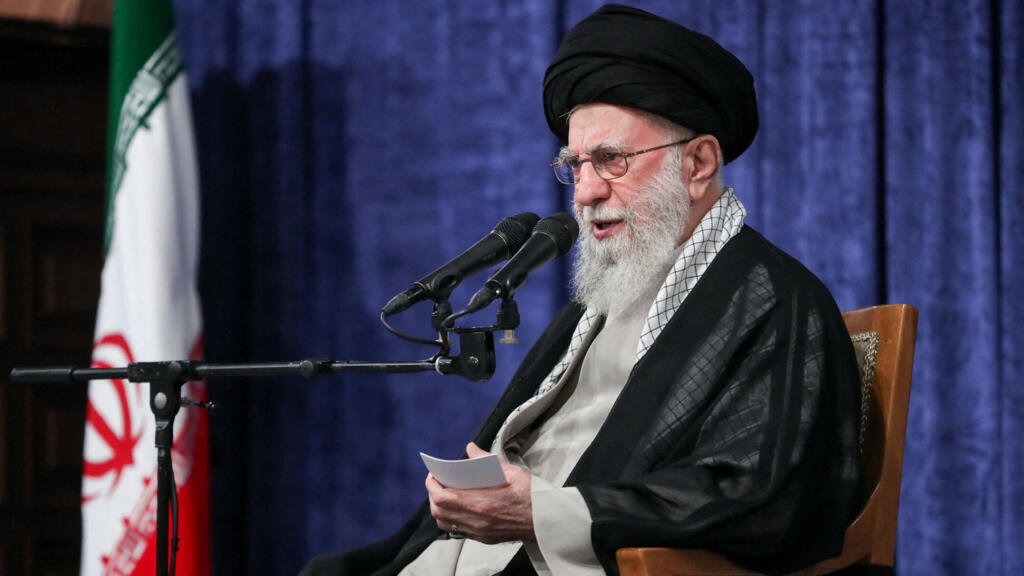
Iran’s supreme leader, Ayatollah Ali Khamenei, has firmly rejected the prospect of direct negotiations with the United States regarding the nation’s nuclear program. This declaration, made on September 26, 2023, signifies a significant setback in diplomatic efforts aimed at preventing the reimposition of United Nations (UN) sanctions on Tehran.
During a public address, Khamenei emphasized that engaging in direct talks with the US would not yield beneficial outcomes for Iran. His remarks come in the wake of escalating tensions surrounding Iran’s nuclear activities, which have drawn international scrutiny and concern. The absence of dialogue is perceived as closing off a potential avenue to mitigate the fallout of renewed sanctions that could adversely affect the Iranian economy.
Iran’s nuclear program has been a source of contention for years, with Western nations fearing that the country is seeking to develop nuclear weapons capabilities. In contrast, Tehran maintains that its nuclear ambitions are strictly for peaceful purposes, including energy generation. The ongoing standoff has prompted the US and its allies to pursue a series of sanctions intended to curb Iran’s nuclear advancements.
Khamenei’s dismissal of direct talks also reflects a broader strategy of resisting US influence in the region. He reaffirmed Iran’s commitment to its nuclear program while rejecting external pressures to abandon it. This stance is likely to be met with disappointment by those advocating for diplomatic solutions to the nuclear impasse.
The implications of Khamenei’s decision extend beyond Iran’s borders. Should UN sanctions be reinstated, the impact could reverberate throughout the region, affecting not only Iran but also its neighboring countries and global oil markets. Analysts warn that heightened sanctions could lead to further economic isolation for Iran, which is already grappling with severe economic challenges.
While Khamenei indicated that negotiations may occur under different circumstances, the current environment appears to remain unfriendly to diplomatic overtures. The US has previously expressed willingness to engage in discussions, contingent upon Iran’s commitment to curtailing its nuclear activities.
As the situation develops, the global community will be watching closely. The potential for renewed sanctions looms large, and the ramifications of Khamenei’s latest statements could shape the geopolitical landscape in the coming months.
In summary, the rejection of direct talks by Iran’s supreme leader underscores the deep-seated divisions between Tehran and Washington. With UN sanctions potentially on the horizon, the focus now shifts to how both sides will navigate this complex and increasingly fraught relationship.

Japan’s Missile Sale to Boost Philippines’ Defense Strategy

Singapore Commits S$37 Billion to Research and Innovation Over 5 Years

Australia Extends Lead to 116 Runs in Second Ashes Test

Takaichi’s Leadership: A New Era for Japan’s Indo-Pacific Strategy

Singapore Commits S$37 Billion to Boost Research and Innovation

Bayern’s Luis Diaz Sees Champions League Ban Cut to Two Matches

Vaccine Makers Alarmed by US Advisory Panel’s Hepatitis B Shift

Favorites Shine in 2026 World Cup Draw; Trump Receives Honor

Taiwan and US Experts Advocate Energy Resilience Strategies

Kenvue Dismisses CEO Thibaut Mongon as Strategic Review Advances

Humanism Camp Engages 250 Youths in Summer Fest 2025

De Minaur Triumphs at Washington Open After Thrilling Comeback

Tupou and Daugunu Join First Nations Squad for Lions Clash

Colombian Senator Miguel Uribe Shows Signs of Recovery After Attack

ASEAN Gears Up for Historic Joint Meeting of Foreign and Economic Ministers

New Study Challenges Assumptions About Aging and Inflammation

Oil Prices Surge Following New EU Sanctions on Russia

Detaşe-Sabah Violin Ensemble Captivates at Gabala Music Festival
-
 Business5 months ago
Kenvue Dismisses CEO Thibaut Mongon as Strategic Review Advances
-
 Lifestyle4 months ago
Humanism Camp Engages 250 Youths in Summer Fest 2025
-
 Sports4 months ago
De Minaur Triumphs at Washington Open After Thrilling Comeback
-
 Sports5 months ago
Tupou and Daugunu Join First Nations Squad for Lions Clash
-
 Top Stories5 months ago
Colombian Senator Miguel Uribe Shows Signs of Recovery After Attack
-
 World5 months ago
ASEAN Gears Up for Historic Joint Meeting of Foreign and Economic Ministers
-
 Health4 months ago
New Study Challenges Assumptions About Aging and Inflammation
-
 Business5 months ago
Oil Prices Surge Following New EU Sanctions on Russia
-
 Entertainment4 months ago
Detaşe-Sabah Violin Ensemble Captivates at Gabala Music Festival
-

 Entertainment4 months ago
Baku Metro Extends Hours for Justin Timberlake Concert
-

 Top Stories5 months ago
Rethinking Singapore’s F&B Regulations Amid Business Closures
-
 Business5 months ago
U.S. House Approves Stablecoin Bill, Sends to Trump for Signature