
Politics
Sabah Election Results Shift Political Landscape in Malaysia

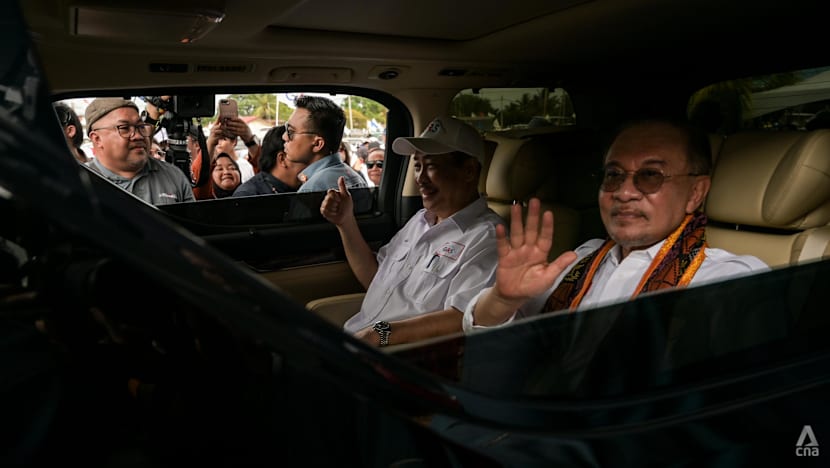
KOTA KINABALU: The recent Sabah state elections have resulted in significant changes to the political landscape, with the incumbent Gabungan Rakyat Sabah (GRS) coalition securing the most seats. Official results from the elections held on March 30, 2024 show that GRS won 29 seats in the 73-seat legislative assembly, allowing its chairman Hajiji Noor to be sworn in as chief minister for a second term. However, the coalition fell short of a simple majority, raising important questions about the formation of the new state government and the implications for Prime Minister Anwar Ibrahim and his Pakatan Harapan (PH) coalition.
The election results are particularly concerning for PH, which managed to secure only a single seat out of the 22 it contested. Analysts highlight that this outcome reflects a growing sentiment in Sabah favoring locally based parties over national coalitions. James Chin, a professor at the University of Tasmania, emphasized that Anwar must reassess federal-state relationships, particularly in Sabah and Sarawak.
Key Takeaways from the Sabah Election
The election results reveal a multifaceted shift in Sabah’s political dynamics.
1. **Winners and Losers**: The election witnessed a significant decline for the Democratic Action Party (DAP), a key component of PH, which lost all eight constituencies it previously held to Warisan. Arvin Tajari, a senior lecturer at Universiti Teknologi MARA, attributed this shift to a perceived lack of integrity at the federal level, impacting DAP’s appeal among Chinese voters. Conversely, Warisan, led by Shafie Apdal, increased its representation from 23 seats in 2020 to 25 this year, despite GRS’s overall victory.
2. **Coalition Composition**: With GRS and PH holding a combined total of 30 seats, they are expected to form the core of the new government. Awang Azman, a professor at Universiti Malaya, suggested that the United Progressive Kinabalu Organisation (UPKO), which won three seats, would likely align with this coalition. The five independent candidates who won may also join for stability, as a slim majority is critical in Sabah’s volatile political environment.
3. **Emerging Issues**: The election results highlighted a strong local sentiment, with voters increasingly favoring parties that they believe will advocate for Sabah’s rights under the Malaysia Agreement 1963. This agreement recognizes Sabah and Sarawak as equal partners with West Malaysia, a sentiment that appears to resonate more with voters than national party affiliations.
4. **Implications for Anwar**: For Prime Minister Anwar, the outcome represents a significant setback. His daughter, Nurul Izzah, faced criticism for her role as election director, and the results may impact her political credibility. Anwar acknowledged the electorate’s demand for change in a social media post, emphasizing the need for a fresh approach to governance in Sabah.
5. **Looking Ahead**: The Sabah election serves as a crucial indicator of political trends that may affect the upcoming general elections in Malaysia, which must be held by February 2028. Analysts predict that Anwar’s reliance on Borneo parties will be essential for securing a parliamentary majority. A declining support base in East Malaysia could empower local coalitions like GRS and Gabungan Parti Sarawak (GPS), making them key players in future negotiations regarding autonomy and development funding.
The outcome of the Sabah elections underscores a pivotal moment in Malaysia’s political landscape, where local sentiments are increasingly shaping electoral outcomes. As negotiations for coalition governance unfold, the focus will remain on how these developments influence the broader national political environment.

Japan’s Missile Sale to Boost Philippines’ Defense Strategy

Singapore Commits S$37 Billion to Research and Innovation Over 5 Years

Australia Extends Lead to 116 Runs in Second Ashes Test

Takaichi’s Leadership: A New Era for Japan’s Indo-Pacific Strategy

Singapore Commits S$37 Billion to Boost Research and Innovation

Bayern’s Luis Diaz Sees Champions League Ban Cut to Two Matches

Vaccine Makers Alarmed by US Advisory Panel’s Hepatitis B Shift

Favorites Shine in 2026 World Cup Draw; Trump Receives Honor

Taiwan and US Experts Advocate Energy Resilience Strategies

Kenvue Dismisses CEO Thibaut Mongon as Strategic Review Advances

Humanism Camp Engages 250 Youths in Summer Fest 2025

De Minaur Triumphs at Washington Open After Thrilling Comeback

Tupou and Daugunu Join First Nations Squad for Lions Clash

Colombian Senator Miguel Uribe Shows Signs of Recovery After Attack

ASEAN Gears Up for Historic Joint Meeting of Foreign and Economic Ministers

New Study Challenges Assumptions About Aging and Inflammation

Oil Prices Surge Following New EU Sanctions on Russia

Detaşe-Sabah Violin Ensemble Captivates at Gabala Music Festival
-
 Business5 months ago
Kenvue Dismisses CEO Thibaut Mongon as Strategic Review Advances
-
 Lifestyle4 months ago
Humanism Camp Engages 250 Youths in Summer Fest 2025
-
 Sports4 months ago
De Minaur Triumphs at Washington Open After Thrilling Comeback
-
 Sports5 months ago
Tupou and Daugunu Join First Nations Squad for Lions Clash
-
 Top Stories5 months ago
Colombian Senator Miguel Uribe Shows Signs of Recovery After Attack
-
 World5 months ago
ASEAN Gears Up for Historic Joint Meeting of Foreign and Economic Ministers
-
 Health4 months ago
New Study Challenges Assumptions About Aging and Inflammation
-
 Business5 months ago
Oil Prices Surge Following New EU Sanctions on Russia
-
 Entertainment4 months ago
Detaşe-Sabah Violin Ensemble Captivates at Gabala Music Festival
-

 Entertainment4 months ago
Baku Metro Extends Hours for Justin Timberlake Concert
-

 Top Stories5 months ago
Rethinking Singapore’s F&B Regulations Amid Business Closures
-
 Business5 months ago
U.S. House Approves Stablecoin Bill, Sends to Trump for Signature