
Entertainment
Cultural Stagnation in the US: Voices of Concern and Analysis

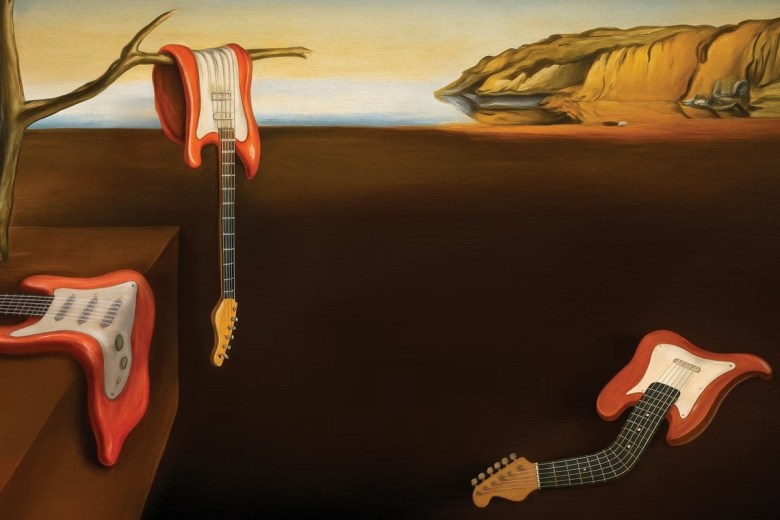
The discussion surrounding cultural stagnation in the United States has gained traction, with several prominent writers articulating their concerns. Notably, Adam Mastroianni attributes this stagnation to a heightened risk aversion, a trend emerging from longer life expectancies and diminished background risks. In contrast, Ted Gioia criticizes entertainment companies for their monopolistic tendencies, arguing they prioritize recycled content over innovative storytelling, relying on algorithms that manipulate consumer attention rather than fostering genuine creativity.
Both authors present compelling data indicating a shift in cultural production across various domains, including books, music, movies, television, and video games. Their findings reveal an alarming dominance of older media products—like sequels, remakes, and adaptations—over new and original creations. This trend has led to a significant concentration of popularity within a limited number of cultural outputs, raising questions about the vibrancy of contemporary American culture.
While some, such as Katherine Dee and Spencer Kornhaber, argue that creative expressions have merely shifted to new platforms like memes, short-form videos, and podcasts, skeptics contend that this explanation falls short. The notable drop in production costs for films should ideally lead to an influx of fresh, quality content; instead, audiences are inundated with rehashed ideas. This situation fuels the belief that deeper issues are at play, as suggested by Mastroianni and Gioia.
David Marx’s Perspective on Cultural History
Another influential figure in this discourse is David Marx, whose works explore the nuances of cultural production. His first book, “Ametora”, provides a historical account of Japanese men’s fashion, while his second, “Status and Culture”, delves into the motivations behind artistic creation. Engaging with Marx’s insights offers a unique lens through which to view the current cultural landscape.
In a spring 2023 meeting in Tokyo, Marx expressed the need for a comprehensive cultural history of the 21st century to understand the current state of culture. His forthcoming book, “Blank Space: A Cultural History of the Twenty-First Century,” aims to encapsulate significant events in American pop culture since 2000. The narrative traverses various cultural phenomena, including the New York hipster scene, the impact of Pharrell Williams, and the rise of social media influencers like Kim Kardashian.
Marx’s writing ability transforms what could easily be a disjointed collection of cultural facts into a coherent story. He argues that the internet has profoundly influenced cultural production, often leading to a homogenization of creativity and a rise in commercialism. This perspective invites readers to consider the implications of a digital world where uniqueness is increasingly difficult to achieve.
Analyzing the Current Cultural Landscape
Despite Marx’s narrative prowess, some gaps persist in his analysis. His focus on music and fashion overlooks the flourishing independent film scene of the 2000s, as well as the growing influence of Japanese cultural exports in the United States. Such omissions highlight the importance of recognizing diverse cultural influences that shape American tastes.
Moreover, the concept of the “long tail” in cultural production complicates the discussion. While mainstream popularity may concentrate among a few key figures, an array of niche creators continues to thrive. This phenomenon is evident in various fields, including fashion and online content creation. For instance, innovative YouTube and TikTok creators may not achieve mainstream success but contribute significantly to the cultural landscape.
Critics of contemporary culture point to the dominance of unoriginal content as a pressing concern. While Taylor Swift may be viewed as a modern cultural icon, the absence of disruptive forces akin to Nirvana raises doubts about the vibrancy of today’s music scene. The argument posits that cultural stagnation permeates multiple mediums, with each facing challenges that stifle creativity.
In examining the reasons behind this stagnation, Mastroianni’s hypothesis on risk aversion offers some insight. The appeal of stable careers in creative fields often overshadows the allure of artistic innovation. Additionally, Gioia’s concerns regarding monopoly power and algorithm-driven content suggest that the mainstream culture has become increasingly stagnant.
The technological landscape also plays a crucial role in shaping cultural output. Historical advancements have often spurred artistic innovation, yet the current environment is marked by a sense of stagnation. The emergence of new technologies should ideally foster creativity, but as Marx notes, the potential for innovation may become exhausted over time.
Marx’s call for a more fragmented internet culture, which allows subcultures to thrive, highlights the need for diversity in artistic expression. The shift away from mass social media towards smaller, more intimate platforms could rejuvenate cultural output by encouraging unique voices to emerge.
While “Blank Space” serves as an informative cultural history, it leaves unanswered questions regarding the restoration of creativity within contemporary culture. The exploration of these themes will require further investigation and future works from Marx, whose insights are undeniably valuable.
In conclusion, the discourse on cultural stagnation in the United States reflects a complex interplay of factors, including risk aversion, monopolistic practices, and technological influences. As audiences navigate an evolving cultural landscape, the voices of thinkers like Mastroianni, Gioia, and Marx will continue to shape the conversation, urging a reevaluation of what constitutes creativity in a rapidly changing world.

Takaichi’s Leadership: A New Era for Japan’s Indo-Pacific Strategy

Singapore Commits S$37 Billion to Boost Research and Innovation

Bayern’s Luis Diaz Sees Champions League Ban Cut to Two Matches

Vaccine Makers Alarmed by US Advisory Panel’s Hepatitis B Shift

Favorites Shine in 2026 World Cup Draw; Trump Receives Honor

Taiwan and US Experts Advocate Energy Resilience Strategies

Vaccine Makers Alarmed by US Panel’s Shift on Hepatitis B for Newborns

Draw Unveils Groups for 2026 World Cup in North America

Taiwan and US Collaborate to Enhance Energy Resilience

Kenvue Dismisses CEO Thibaut Mongon as Strategic Review Advances

Humanism Camp Engages 250 Youths in Summer Fest 2025

De Minaur Triumphs at Washington Open After Thrilling Comeback

Tupou and Daugunu Join First Nations Squad for Lions Clash

Colombian Senator Miguel Uribe Shows Signs of Recovery After Attack

ASEAN Gears Up for Historic Joint Meeting of Foreign and Economic Ministers

New Study Challenges Assumptions About Aging and Inflammation

Oil Prices Surge Following New EU Sanctions on Russia

Detaşe-Sabah Violin Ensemble Captivates at Gabala Music Festival
-
 Business5 months ago
Kenvue Dismisses CEO Thibaut Mongon as Strategic Review Advances
-
 Lifestyle4 months ago
Humanism Camp Engages 250 Youths in Summer Fest 2025
-
 Sports4 months ago
De Minaur Triumphs at Washington Open After Thrilling Comeback
-
 Sports5 months ago
Tupou and Daugunu Join First Nations Squad for Lions Clash
-
 Top Stories5 months ago
Colombian Senator Miguel Uribe Shows Signs of Recovery After Attack
-
 World5 months ago
ASEAN Gears Up for Historic Joint Meeting of Foreign and Economic Ministers
-
 Health4 months ago
New Study Challenges Assumptions About Aging and Inflammation
-
 Business5 months ago
Oil Prices Surge Following New EU Sanctions on Russia
-
 Entertainment4 months ago
Detaşe-Sabah Violin Ensemble Captivates at Gabala Music Festival
-

 Entertainment4 months ago
Baku Metro Extends Hours for Justin Timberlake Concert
-

 Top Stories5 months ago
Rethinking Singapore’s F&B Regulations Amid Business Closures
-

 Business5 months ago
U.S. House Approves Stablecoin Bill, Sends to Trump for Signature