
Entertainment
Cultural Stagnation in the US: Writers Debate the Evidence

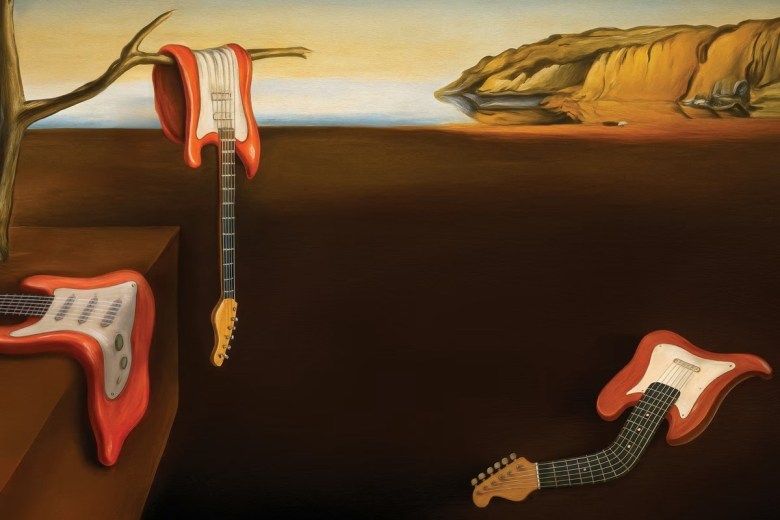
The discourse surrounding cultural stagnation in the United States has gained traction, with several prominent writers defending their views on the state of American culture. Notably, Adam Mastroianni and Ted Gioia present compelling arguments that suggest a decline in creative innovation across various media, including books, movies, music, and television.
Mastroianni attributes cultural stagnation to a growing reluctance to take risks, a phenomenon he connects to increased life expectancy and reduced background risk. Meanwhile, Gioia points to entertainment companies that prioritize safe, established intellectual properties over original content. He argues that these companies leverage algorithms designed to capture consumer attention, thereby limiting the diversity of cultural offerings.
Both writers support their claims with extensive data, highlighting that familiar media products—such as sequels, remakes, and adaptations—have largely overshadowed new creations. They find that popularity is increasingly concentrated in a select few cultural products, a trend that raises concerns about the overall health of creative industries.
While some critics, including Katherine Dee and Spencer Kornhaber, assert that creative expression has merely migrated to new formats—like memes, short-form videos, and podcasts—this explanation does not fully address the deeper issues at play. Despite the lower costs of movie production, the market remains saturated with familiar franchises, rather than fresh, innovative films. This observation hints at a more complex cultural landscape.
Insights from David Marx’s “Blank Space”
Another voice in this discussion is that of David Marx, whose latest book, “Blank Space: A Cultural History of the Twenty-First Century,” provides a detailed narrative of significant events in American pop culture since 2000. Marx’s work explores various cultural phenomena, including the New York hipster scene, the influence of artists like Pharrell Williams, and the rise of social media figures such as Kim Kardashian.
Marx’s narrative style brings a vivid coherence to the cultural timeline, presenting a compelling view of the internet’s dominant role in shaping 21st-century culture. He argues that this influence has led to a trend toward uniformity and commercialism, which many believe has stifled genuine creativity. However, while Marx effectively chronicles pop culture, some gaps remain. For instance, his book offers limited exploration of the indie film boom of the 2000s and the substantial impact of Japanese cultural exports, such as anime and manga.
Despite these omissions, Marx’s analysis raises important questions about the nature of cultural production today. He suggests that while mainstream tastes may lean toward the bland, vibrant subcultures continue to thrive, producing innovative works that often go unnoticed. The challenge lies in the difficulty of capturing and celebrating these niche creations within a fragmented media landscape.
The Complex Landscape of Contemporary Culture
Mastroianni and Gioia’s observations about the concentration of cultural power resonate with Marx’s findings. The growing dominance of a few mainstream entities prompts a critical examination of whether the long tail of cultural production—where niche artists can find audiences—truly exists. Although platforms like TikTok and SoundCloud have democratized content creation, they also risk homogenizing cultural tastes.
Marx reflects on the implications of this trend, noting that while the internet has facilitated the rise of diverse voices, it has also created an environment where the most commercially viable content overshadows more experimental or niche offerings. He warns that as cultural creators feel pressured to conform to mainstream expectations, genuine innovation may suffer.
Amidst these discussions, the role of technology in shaping cultural trends cannot be overlooked. Marx posits that advancements in technology influence the types of cultural products that emerge. For instance, the rise of short-form video content has transformed how stories are told and consumed, while traditional mediums like literature and film have not experienced the same degree of innovation.
The call for a more fragmented internet culture, as suggested by Marx, emphasizes the need for subcultures to flourish independently, allowing for richer cultural exploration. While he acknowledges the challenges posed by social media dynamics, he remains optimistic that a shift toward smaller, more intimate platforms could rejuvenate cultural creativity.
In conclusion, the debate surrounding cultural stagnation in the United States highlights a complex interplay of factors shaping the contemporary landscape. While concerns about risk aversion and monopolistic practices are valid, the ongoing evolution of technology and media formats presents both challenges and opportunities for cultural innovation. David Marx’s “Blank Space” serves as a valuable resource in navigating this intricate terrain, offering a thoughtful examination of where American culture has been and where it might be headed.

India Unveils Long-Range Hypersonic Missile Amid Regional Tensions

SK bioscience Launches Global Trial for Universal Sarbecovirus Vaccine

Senegal Coach Pape Thiaw Suspended and Fined After Final Disruption

PAS Denies Abolishing Chairman Post, Contradicts Muhyiddin’s Claim

Mbappé Critiques Real Madrid’s Effort After Benfica Defeat

Thailand’s December Factory Output Surges 2.52% Year-on-Year

Ishita Dutta Reveals Her Parenting Secret: Strong Coffee

Older GPs Express Concerns Over New Digital Health Record Mandate

Urban Jurgensen: A 252-Year Legacy Enters a New Era

Regina Martinez Breaks New Ground for Mexico in Cross-Country Skiing

South Korea’s Foreign Minister Cho Hyun to Visit China This Week

Starling Bank Plans Secondary Share Sale, Targeting $5.4 Billion Valuation

Munsang College Celebrates 100 Years with Grand Ceremony

PAS Aims to Expand Parliamentary Influence in Upcoming Election

De Minaur Triumphs at Washington Open After Thrilling Comeback

Kenvue Dismisses CEO Thibaut Mongon as Strategic Review Advances

Humanism Camp Engages 250 Youths in Summer Fest 2025

Colombian Senator Miguel Uribe Shows Signs of Recovery After Attack
-
 Sports3 months ago
Regina Martinez Breaks New Ground for Mexico in Cross-Country Skiing
-
 World8 months ago
South Korea’s Foreign Minister Cho Hyun to Visit China This Week
-
 Business8 months ago
Starling Bank Plans Secondary Share Sale, Targeting $5.4 Billion Valuation
-
 Top Stories8 months ago
Munsang College Celebrates 100 Years with Grand Ceremony
-
 World8 months ago
PAS Aims to Expand Parliamentary Influence in Upcoming Election
-
 Sports9 months ago
De Minaur Triumphs at Washington Open After Thrilling Comeback
-
 Business10 months ago
Kenvue Dismisses CEO Thibaut Mongon as Strategic Review Advances
-
 Lifestyle9 months ago
Humanism Camp Engages 250 Youths in Summer Fest 2025
-
 Top Stories10 months ago
Colombian Senator Miguel Uribe Shows Signs of Recovery After Attack
-

 Sports10 months ago
Tupou and Daugunu Join First Nations Squad for Lions Clash
-

 World10 months ago
ASEAN Gears Up for Historic Joint Meeting of Foreign and Economic Ministers
-

 Health9 months ago
New Study Challenges Assumptions About Aging and Inflammation