
Politics
Afghanistan’s Resurgence of Extremism Poses Global Threats

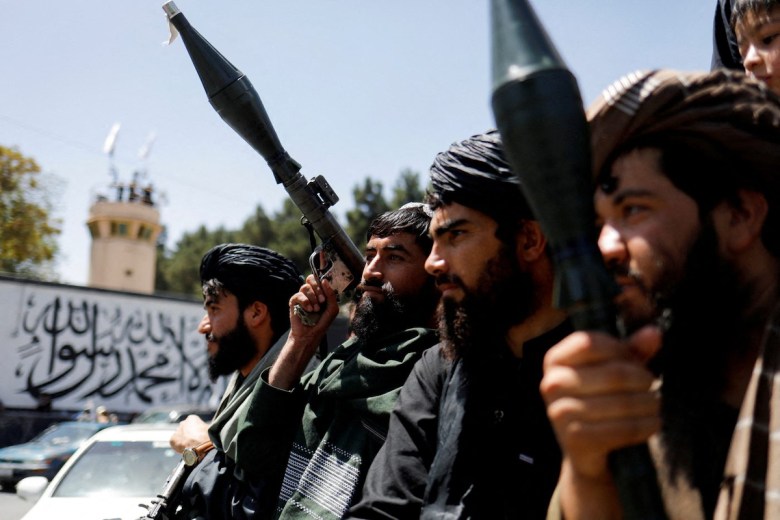
The situation in Afghanistan is deteriorating, as evidence mounts that the country is becoming a hub for transnational terrorism. Recent incidents, including a quadcopter attack on Chinese engineers in Tajikistan and the murder of two National Guard soldiers in Washington, D.C., highlight the regional and global implications of the Taliban’s increasing influence over extremist groups.
On November 27, 2023, a drone strike originating from Afghan territory targeted Chinese engineers, demonstrating a coordinated cross-border assault. This incident followed closely on the heels of an attack by an Afghan immigrant who communicated with militant groups active in Afghanistan before killing two U.S. soldiers. These events, occurring in vastly different parts of the world, are interconnected, stemming from a militant infrastructure that the Taliban has not only tolerated but actively supported.
Escalating Threats from Extremist Groups
The United Nations Monitoring Team has issued alarming reports regarding the resurgence of extremist factions in Afghanistan. The Islamic State-Khorasan Province (ISKP) is expanding its operations, while al-Qaeda is reportedly rebuilding its presence, and the Tehrik-i-Taliban Pakistan (TTP) is consolidating influence. Recent estimates indicate that approximately 13,000 foreign fighters are currently based in Afghanistan, including over 6,000 TTP militants and around 3,000 ISKP operatives.
The situation is compounded by the influx of battle-hardened ISIS fighters from Iraq and Syria, who are using Afghanistan as a staging ground for operations aimed at Central Asia. For neighboring Pakistan, these developments are not merely a theoretical concern; they represent a stark reality. Since 2021, TTP fighters operating from Afghan soil have intensified their attacks within Pakistan, with substantial evidence of planning and coordination.
Despite Islamabad’s repeated warnings, the Taliban continues to provide sanctuary to the TTP and other extremist groups. The regime’s earlier claims of offering “no sanctuary” to foreign militants have proven hollow, as evidence suggests that former Taliban fighters are joining forces with the TTP, blurring the lines between local and transnational jihadist organizations.
Global Implications and Urgent Response Needed
The drone attack in Tajikistan serves as a vivid demonstration of the Taliban’s capabilities and intentions. As regional tensions rise, international observers are increasingly concerned. Denmark’s deputy permanent representative to the United Nations has noted that groups such as TTP, ISKP, and al-Qaeda are ramping up their propaganda, recruitment, and financing activities. Russian officials have echoed these sentiments, labeling Afghan extremist movements as a “serious concern.”
The potential for violence is not confined to Central Asia. China’s citizens have been targeted in attacks by Afghan-based terror groups, while European nations and the United States remain vulnerable to future threats. The idea that the instability in Afghanistan is a mere “regional problem” is dangerously misleading. The digital nature of modern terrorism, utilizing encrypted networks and global financial channels, means that distance offers little protection from its reach.
To effectively address the growing crisis, a dual approach combining confrontation and cooperation is essential. Pakistan, China, Iran, Russia, and Central Asian republics must collaborate to establish a regional security framework that includes intelligence sharing, border surveillance, and rapid response mechanisms. The Taliban should face unified diplomatic and economic pressure until it dismantles the militant networks on its soil.
The international community must remain engaged, not as military actors but as political stakeholders committed to preventing Afghanistan from reverting to a terror-exporting state. The warnings today are clearer than ever, with visible indicators of escalating violence and destabilization already extending beyond Afghanistan’s borders. Without decisive action, the crisis is poised to worsen, threatening global security in a manner reminiscent of past conflicts.
The evidence is irrefutable: Afghanistan is transforming into a breeding ground for global terror. The question remains whether the world can act decisively to prevent further escalation.

Japan’s Missile Sale to Boost Philippines’ Defense Strategy

Singapore Commits S$37 Billion to Research and Innovation Over 5 Years

Australia Extends Lead to 116 Runs in Second Ashes Test

Takaichi’s Leadership: A New Era for Japan’s Indo-Pacific Strategy

Singapore Commits S$37 Billion to Boost Research and Innovation

Bayern’s Luis Diaz Sees Champions League Ban Cut to Two Matches

Vaccine Makers Alarmed by US Advisory Panel’s Hepatitis B Shift

Favorites Shine in 2026 World Cup Draw; Trump Receives Honor

Taiwan and US Experts Advocate Energy Resilience Strategies

Humanism Camp Engages 250 Youths in Summer Fest 2025

Kenvue Dismisses CEO Thibaut Mongon as Strategic Review Advances

De Minaur Triumphs at Washington Open After Thrilling Comeback

Tupou and Daugunu Join First Nations Squad for Lions Clash

Colombian Senator Miguel Uribe Shows Signs of Recovery After Attack

ASEAN Gears Up for Historic Joint Meeting of Foreign and Economic Ministers

New Study Challenges Assumptions About Aging and Inflammation

Oil Prices Surge Following New EU Sanctions on Russia

Detaşe-Sabah Violin Ensemble Captivates at Gabala Music Festival
-
 Lifestyle4 months ago
Humanism Camp Engages 250 Youths in Summer Fest 2025
-
 Business5 months ago
Kenvue Dismisses CEO Thibaut Mongon as Strategic Review Advances
-
 Sports4 months ago
De Minaur Triumphs at Washington Open After Thrilling Comeback
-
 Sports5 months ago
Tupou and Daugunu Join First Nations Squad for Lions Clash
-
 Top Stories5 months ago
Colombian Senator Miguel Uribe Shows Signs of Recovery After Attack
-
 World5 months ago
ASEAN Gears Up for Historic Joint Meeting of Foreign and Economic Ministers
-
 Health4 months ago
New Study Challenges Assumptions About Aging and Inflammation
-
 Business5 months ago
Oil Prices Surge Following New EU Sanctions on Russia
-
 Entertainment4 months ago
Detaşe-Sabah Violin Ensemble Captivates at Gabala Music Festival
-

 Entertainment4 months ago
Baku Metro Extends Hours for Justin Timberlake Concert
-

 Top Stories5 months ago
Rethinking Singapore’s F&B Regulations Amid Business Closures
-

 Business5 months ago
U.S. House Approves Stablecoin Bill, Sends to Trump for Signature