
Top Stories
Evening Exercise: Experts Reveal Impact on Sleep Quality

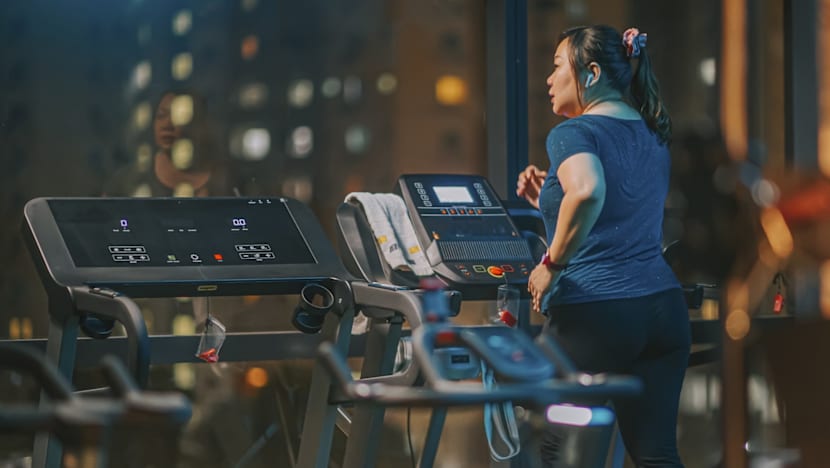
Recent research has prompted a reevaluation of traditional sleep guidelines, particularly regarding evening exercise. Long-standing advice has cautioned against working out close to bedtime, but new studies indicate that the relationship between exercise timing and sleep quality is more complex than previously thought.
Research has shown that engaging in low- to moderate-intensity workouts in the hours before sleep is not only safe but may also enhance sleep quality. Activities such as walking, gentle jogging, or light cycling can alleviate stress and promote the release of endorphins, according to Dr. Christopher Tanayan, a sports cardiologist at Northwell Health in New York. He emphasizes that practices like yoga and stretching can further aid in preparing the body for rest.
While moderate exercise is generally beneficial, excessive activity may hinder sleep. Dr. Josh Leota, a sleep research scientist and lead author of a 2025 study, notes that extremely long moderate workouts—such as a three-hour run—can disrupt sleep onset and overall sleep quality.
High-Intensity Workouts: The Case for Timing
The impact of high-intensity exercise on sleep is less clear-cut. Some studies suggest that vigorous workouts shortly before bed do not significantly disrupt sleep, yet others indicate that they can complicate the ability to fall and stay asleep. This discrepancy may stem from physiological responses during intense exercise.
Dr. Tanayan explains that vigorous workouts increase core body temperature and activate the sympathetic nervous system, which produces stress hormones. If core body temperature remains elevated, the body may interpret this as a signal that it is not yet time to rest. Both heavy lifting and intense aerobic workouts can elicit these responses, leading to a heightened state that is not conducive to sleep.
For those who prefer evening high-intensity workouts, timing is crucial. Dr. Leota recommends exercising at least three hours before bed to allow the body to return to a resting state. This window aids in minimizing the potential negative effects on sleep.
Finding Your Optimal Evening Routine
For individuals with evening schedules, experts agree that working out at night is preferable to not exercising at all. However, personal physiology varies, making it essential to discover what works best for each individual. Dr. Michael Gradisar, a clinical psychologist and co-author of a 2021 study, encourages individuals to experiment with their evening workout routines.
He advises not to gauge the effectiveness of a regimen after a single trial, suggesting that individuals should monitor their responses over time. For some, this may entail intentionally adjusting sleep schedules on days when high-intensity workouts are performed, as noted by Dr. Matthew Badgett from the Cleveland Clinic.
Environmental factors also play a role in sleep quality. Dr. Jingyi Qian, a sleep scientist at Mass General Brigham, warns against exercising in brightly lit spaces close to bedtime, as this can disrupt the body’s internal sleep clock. Additionally, she advises avoiding caffeinated sports drinks and late meals, both of which can negatively impact sleep.
Ultimately, Dr. Qian assures individuals that evening exercise does not have to hinder sleep. With some self-experimentation and adherence to good sleep habits, it is possible to establish a routine that supports both fitness and restful sleep.

Takaichi’s Leadership: A New Era for Japan’s Indo-Pacific Strategy

Singapore Commits S$37 Billion to Boost Research and Innovation

Bayern’s Luis Diaz Sees Champions League Ban Cut to Two Matches

Vaccine Makers Alarmed by US Advisory Panel’s Hepatitis B Shift

Favorites Shine in 2026 World Cup Draw; Trump Receives Honor

Taiwan and US Experts Advocate Energy Resilience Strategies

Vaccine Makers Alarmed by US Panel’s Shift on Hepatitis B for Newborns

Draw Unveils Groups for 2026 World Cup in North America

Taiwan and US Collaborate to Enhance Energy Resilience

Kenvue Dismisses CEO Thibaut Mongon as Strategic Review Advances

Humanism Camp Engages 250 Youths in Summer Fest 2025

De Minaur Triumphs at Washington Open After Thrilling Comeback

Tupou and Daugunu Join First Nations Squad for Lions Clash

Colombian Senator Miguel Uribe Shows Signs of Recovery After Attack

ASEAN Gears Up for Historic Joint Meeting of Foreign and Economic Ministers

New Study Challenges Assumptions About Aging and Inflammation

Oil Prices Surge Following New EU Sanctions on Russia

Detaşe-Sabah Violin Ensemble Captivates at Gabala Music Festival
-
 Business5 months ago
Kenvue Dismisses CEO Thibaut Mongon as Strategic Review Advances
-
 Lifestyle4 months ago
Humanism Camp Engages 250 Youths in Summer Fest 2025
-
 Sports4 months ago
De Minaur Triumphs at Washington Open After Thrilling Comeback
-
 Sports5 months ago
Tupou and Daugunu Join First Nations Squad for Lions Clash
-
 Top Stories5 months ago
Colombian Senator Miguel Uribe Shows Signs of Recovery After Attack
-
 World5 months ago
ASEAN Gears Up for Historic Joint Meeting of Foreign and Economic Ministers
-
 Health4 months ago
New Study Challenges Assumptions About Aging and Inflammation
-
 Business5 months ago
Oil Prices Surge Following New EU Sanctions on Russia
-
 Entertainment4 months ago
Detaşe-Sabah Violin Ensemble Captivates at Gabala Music Festival
-

 Entertainment4 months ago
Baku Metro Extends Hours for Justin Timberlake Concert
-

 Top Stories5 months ago
Rethinking Singapore’s F&B Regulations Amid Business Closures
-

 Business5 months ago
U.S. House Approves Stablecoin Bill, Sends to Trump for Signature