
Politics
Ceasefire Between Israel and Lebanon on Brink of Collapse

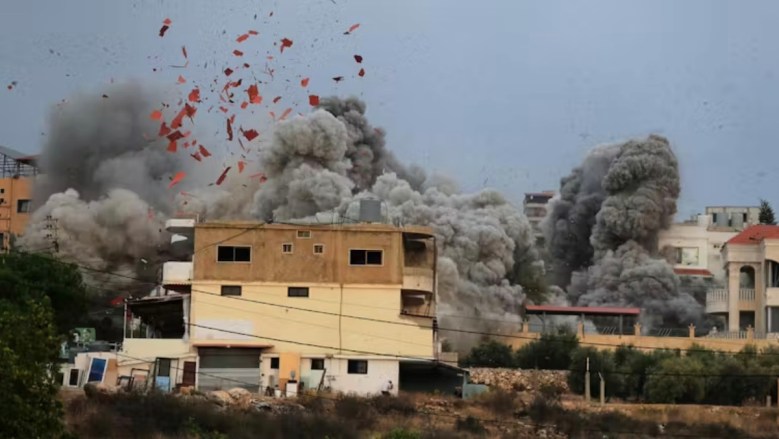
The ceasefire agreement between Israel and Lebanon, established on November 27, 2024, is increasingly at risk of failure. Following the truce, the United Nations Interim Force in Lebanon (UNIFIL) reported over 10,000 violations of Lebanese territory by Israeli air and ground forces. As the anniversary of the ceasefire approaches, renewed Israeli military actions, including the assassination of a key Hezbollah commander and attacks on Palestinian refugee camps, have heightened tensions.
Israel maintains that its military operations are focused on neutralizing Hezbollah’s rearmament efforts. Reports from within Israel indicate a potential escalation, suggesting that the Israeli military may aim to “finish the job” against Hezbollah. Observers note that this situation reflects a broader failure to achieve stability in the region, with military power alone proving ineffective in fostering lasting peace.
Background of the Ceasefire Agreement
The ceasefire was intended to conclude the hostilities that erupted after Hamas attacked Israel on October 7, 2023. The conflict had severely weakened Hezbollah’s leadership and military capabilities, creating a significant shift in the regional power dynamic. The ceasefire terms included the withdrawal of Israeli forces from southern Lebanon and the disarmament of all nonstate military groups, with the Lebanese army designated as the sole armed force in the country. However, a year later, Israel continues to occupy five border posts inside Lebanon and conducts daily incursions, complicating the situation further.
The ceasefire agreement also aimed for the United States to facilitate indirect negotiations for internationally recognized border delineations between Israel and Lebanon. Yet, these goals remain unfulfilled, and ongoing Israeli operations have even targeted UNIFIL personnel.
Political Changes in Lebanon and Challenges Ahead
The establishment of a new Lebanese government in February 2025 offered a potential turning point, as Hezbollah no longer held veto power. Many Lebanese viewed this development as an opportunity for the state to reclaim its authority and pursue disarmament of Hezbollah. Such a move could pave the way for much-needed economic recovery following the financial crisis that began in October 2019.
Disarming Hezbollah, however, poses significant obstacles. The group remains the most powerful military entity in Lebanon, and relinquishing its arms would require a fundamental shift in its identity and political influence. The Lebanese army, established in 1945, has historically struggled to act as an effective military force and lacks the authority to disarm Hezbollah without risking a resurgence of armed conflict.
The United States has historically supported Lebanese military efforts but has faced criticism for its approach. American officials have emphasized the need for the Lebanese army to disarm Hezbollah, leading to tensions when Lebanese military leaders voice concerns about Israeli incursions.
The complex dynamics of U.S.-Lebanon relations continue to play a crucial role, as American support often comes with demands that complicate Lebanese political stability. Reports indicate that despite its weakened status, Iran has managed to provide Hezbollah with approximately $1 billion over the past year, further complicating the situation as Lebanon seeks international assistance.
The potential for renewed conflict remains high, with both Israel and Hezbollah engaging in actions that could spiral into broader violence. The massacre on October 7, 2023, shifted Israeli security policy towards a zero-tolerance approach, increasing the likelihood of hostilities.
Prime Minister Benjamin Netanyahu faces domestic challenges, with public perception of his handling of the Gaza conflict affecting his popularity. These political pressures could influence Israel’s approach to Lebanon, particularly regarding unresolved border disputes that have historically fueled Hezbollah’s armed resistance.
Efforts to establish diplomatic solutions have faltered amid deep-seated mistrust. The lack of clearly defined borders between Lebanon and both Israel and Syria exacerbates tensions. Currently, the prospects for meaningful negotiations remain bleak, with the Israeli government showing little inclination for diplomacy.
The cycle of violence that has characterized Israel-Lebanon relations since the late 1960s appears poised to repeat itself. As Hezbollah reacts to Israeli military actions, further retaliatory strikes from Israel could destabilize the fragile Lebanese state. Observers emphasize that a stable Lebanon, where the state holds the monopoly on arms, is essential to breaking this cycle of violence.
In conclusion, the future of the ceasefire and regional stability hinges on addressing the underlying political and military challenges. The United States may play an essential role in fostering a balanced approach to diplomacy, which necessitates pressure on both sides to seek a peaceful resolution. As the situation evolves, the need for a strong, sovereign Lebanese state capable of managing its security and foreign policy has never been more critical.

Takaichi’s Leadership: A New Era for Japan’s Indo-Pacific Strategy

Singapore Commits S$37 Billion to Boost Research and Innovation

Bayern’s Luis Diaz Sees Champions League Ban Cut to Two Matches

Vaccine Makers Alarmed by US Advisory Panel’s Hepatitis B Shift

Favorites Shine in 2026 World Cup Draw; Trump Receives Honor

Taiwan and US Experts Advocate Energy Resilience Strategies

Vaccine Makers Alarmed by US Panel’s Shift on Hepatitis B for Newborns

Draw Unveils Groups for 2026 World Cup in North America

Taiwan and US Collaborate to Enhance Energy Resilience

Kenvue Dismisses CEO Thibaut Mongon as Strategic Review Advances

Humanism Camp Engages 250 Youths in Summer Fest 2025

De Minaur Triumphs at Washington Open After Thrilling Comeback

Tupou and Daugunu Join First Nations Squad for Lions Clash

Colombian Senator Miguel Uribe Shows Signs of Recovery After Attack

ASEAN Gears Up for Historic Joint Meeting of Foreign and Economic Ministers

New Study Challenges Assumptions About Aging and Inflammation

Oil Prices Surge Following New EU Sanctions on Russia

Detaşe-Sabah Violin Ensemble Captivates at Gabala Music Festival
-
 Business5 months ago
Kenvue Dismisses CEO Thibaut Mongon as Strategic Review Advances
-
 Lifestyle4 months ago
Humanism Camp Engages 250 Youths in Summer Fest 2025
-
 Sports4 months ago
De Minaur Triumphs at Washington Open After Thrilling Comeback
-
 Sports5 months ago
Tupou and Daugunu Join First Nations Squad for Lions Clash
-
 Top Stories5 months ago
Colombian Senator Miguel Uribe Shows Signs of Recovery After Attack
-
 World5 months ago
ASEAN Gears Up for Historic Joint Meeting of Foreign and Economic Ministers
-
 Health4 months ago
New Study Challenges Assumptions About Aging and Inflammation
-
 Business5 months ago
Oil Prices Surge Following New EU Sanctions on Russia
-
 Entertainment4 months ago
Detaşe-Sabah Violin Ensemble Captivates at Gabala Music Festival
-

 Entertainment4 months ago
Baku Metro Extends Hours for Justin Timberlake Concert
-

 Top Stories5 months ago
Rethinking Singapore’s F&B Regulations Amid Business Closures
-
 Business5 months ago
U.S. House Approves Stablecoin Bill, Sends to Trump for Signature