
Business
S&P Downgrades Tether’s Stablecoin Rating to ‘Weak’

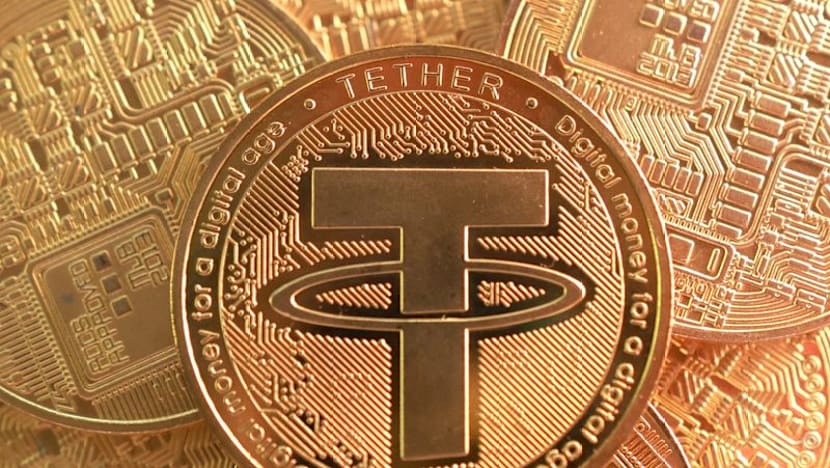
The rating agency S&P Global has downgraded its assessment of Tether, the world’s largest stablecoin, to a ‘weak’ rating. This change reflects concerns over the increasing presence of higher-risk assets in Tether’s reserves and ongoing issues with transparency, as announced on March 15, 2023. The new rating system introduced by S&P evaluates stablecoins on a scale from 1 to 5, with Tether receiving a score of ‘5 (weak)’, marking the lowest level of confidence.
Previously rated ‘4 (constrained)’, Tether’s token, known as USDT, has now been classified as posing significant risks. A spokesperson for Tether has not provided a comment regarding this downgrade. The company has previously positioned its token as the “leading digital dollar,” emphasizing its combination of stability, transparency, and global accessibility.
Concerns Over Asset Composition and Disclosure
Tether, which is based in El Salvador, claims to have issued approximately $184 billion worth of its dollar-pegged cryptocurrency. The company asserts that it possesses sufficient reserves in U.S. Treasuries and other assets to allow users to convert their Tether tokens back into dollars. Despite this assertion, S&P noted a significant increase in higher-risk assets within Tether’s reserves over the past year. These assets include bitcoin, gold, secured loans, corporate bonds, and other investments, all of which carry various credit, market, interest-rate, and foreign-exchange risks.
S&P highlighted that Tether continues to offer limited insight into the creditworthiness of its custodians, counterparties, and banking institutions. The agency’s report expressed concern regarding the overall transparency in Tether’s operations, which it deems essential for instilling confidence among token holders.
Tether’s Stability in a Volatile Market
Despite the downgrade, S&P acknowledged that Tether has maintained a “notable level of price stability” even during turbulent periods in the cryptocurrency market. This resilience is a key factor that has kept USDT widely used among investors and traders, despite regulatory scrutiny and market fluctuations.
The implications of this downgrade could be significant for Tether as it navigates an evolving regulatory landscape. As stablecoins continue to attract attention from regulators worldwide, maintaining transparency and stability will be critical for Tether’s future. Investors and market participants will be watching closely to see how Tether responds to these latest challenges and whether it can restore confidence in its stablecoin amidst growing scrutiny.

Japan’s Missile Sale to Boost Philippines’ Defense Strategy

Singapore Commits S$37 Billion to Research and Innovation Over 5 Years

Australia Extends Lead to 116 Runs in Second Ashes Test

Takaichi’s Leadership: A New Era for Japan’s Indo-Pacific Strategy

Singapore Commits S$37 Billion to Boost Research and Innovation

Bayern’s Luis Diaz Sees Champions League Ban Cut to Two Matches

Vaccine Makers Alarmed by US Advisory Panel’s Hepatitis B Shift

Favorites Shine in 2026 World Cup Draw; Trump Receives Honor

Taiwan and US Experts Advocate Energy Resilience Strategies

Humanism Camp Engages 250 Youths in Summer Fest 2025

Kenvue Dismisses CEO Thibaut Mongon as Strategic Review Advances

De Minaur Triumphs at Washington Open After Thrilling Comeback

Tupou and Daugunu Join First Nations Squad for Lions Clash

Colombian Senator Miguel Uribe Shows Signs of Recovery After Attack

ASEAN Gears Up for Historic Joint Meeting of Foreign and Economic Ministers

New Study Challenges Assumptions About Aging and Inflammation

Oil Prices Surge Following New EU Sanctions on Russia

Detaşe-Sabah Violin Ensemble Captivates at Gabala Music Festival
-
 Lifestyle4 months ago
Humanism Camp Engages 250 Youths in Summer Fest 2025
-
 Business5 months ago
Kenvue Dismisses CEO Thibaut Mongon as Strategic Review Advances
-
 Sports4 months ago
De Minaur Triumphs at Washington Open After Thrilling Comeback
-
 Sports5 months ago
Tupou and Daugunu Join First Nations Squad for Lions Clash
-
 Top Stories5 months ago
Colombian Senator Miguel Uribe Shows Signs of Recovery After Attack
-
 World5 months ago
ASEAN Gears Up for Historic Joint Meeting of Foreign and Economic Ministers
-
 Health4 months ago
New Study Challenges Assumptions About Aging and Inflammation
-
 Business5 months ago
Oil Prices Surge Following New EU Sanctions on Russia
-
 Entertainment4 months ago
Detaşe-Sabah Violin Ensemble Captivates at Gabala Music Festival
-

 Entertainment4 months ago
Baku Metro Extends Hours for Justin Timberlake Concert
-

 Top Stories5 months ago
Rethinking Singapore’s F&B Regulations Amid Business Closures
-
 Business5 months ago
U.S. House Approves Stablecoin Bill, Sends to Trump for Signature