
Top Stories
India Strengthens Ties with Taliban Amid Geopolitical Shifts

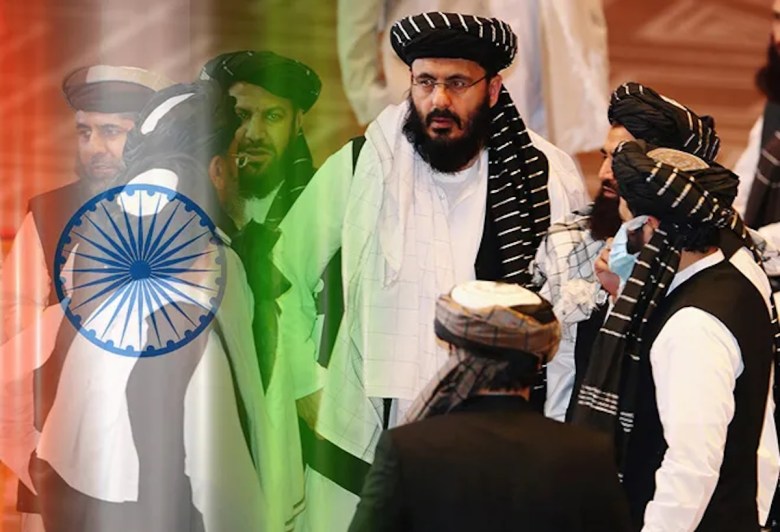
India’s engagement with the Taliban has evolved dramatically since the fall of Kabul in August 2021. What initially began as cautious humanitarian contacts has transformed into structured and high-level interactions. This shift signifies a calculated effort by New Delhi to re-establish its presence in Afghanistan while navigating complex geopolitical landscapes.
The most notable indicators of this transformation are the recent visits by Afghan officials to India. Between November 19 and 23, 2025, Afghan Commerce and Industry Minister Alhaj Nooruddin Azizi visited New Delhi, following a previous visit by Afghan Foreign Minister Amir Khan Muttaqi from October 9 to 16. These visits are not mere formalities; they mark the most significant Taliban-India engagement since India closed its embassy in 2021. The embassy was reopened in June 2022 as a “technical mission.”
During Muttaqi’s visit, key agreements were made to restore the Kabul mission to full embassy status, re-establish air links, and initiate collaborations in sports, healthcare, and hydroelectric projects. Azizi’s visit operationalized these agreements by activating air-freight corridors between Kabul and Delhi, as well as Kabul and Amritsar, with flights expected to commence soon. Afghanistan’s Ministry of Commerce anticipates operations will begin within two months.
India remains cautious, aiming to prevent its structured engagement from being perceived as official recognition of the Taliban. Nonetheless, both sides agreed to revive their Joint Working Group on Trade, Commerce, and Investment, along with the posting of trade officers in each other’s missions, indicating a shift beyond mere technical engagement.
India’s economic motives are also clear. Azizi aimed to increase bilateral trade, currently valued at $1 billion, back to its pre-2021 level of $1.8 billion. He presented a package of incentives for Indian investors, including a five-year tax holiday for new industries and reduced import duties. Specific sectors for cooperation identified included mining, hydropower, pharmaceuticals, and small and medium enterprises.
A significant aspect of this renewed relationship is the potential use of Iran’s Chabahar Port. Azizi encouraged India to establish shipping lines connecting Chabahar with Afghan dry ports, particularly in Nimruz province. This strategy aims to reduce Afghanistan’s reliance on Pakistan for trade, aligning with India’s long-standing goal of establishing western overland connectivity insulated from Pakistani influence.
India’s investments in Afghanistan exceed $3 billion, including infrastructure projects like the Zaranj-Delaram highway, which links to Chabahar. This historical context now serves to engage the Taliban while countering Pakistani influence, prompting some Pakistani leaders to label the Taliban as India’s proxy with benefits.
The deterioration in Pakistan-Taliban relations since 2023 has significantly influenced India’s engagement strategy. Frustrations from Islamabad regarding the Taliban’s inability to control the Tehrik-e-Taliban Pakistan (TTP) and ongoing border clashes have led to heightened tensions. This situation presents India with an opportunity to assert its influence in Kabul without facing ideological opposition.
India’s approach is rooted in its soft power objectives, driven by national security concerns. New Delhi remains committed to ensuring that Afghan territory does not harbor anti-India terrorist groups. The dialogues between India and the Taliban since 2022 have led to assurances from the Taliban that hostile groups will not operate within Afghanistan.
The broader context reveals that India’s pragmatic dealings with the Taliban align with the patterns observed among other major international powers. The United States, China, Russia, and the European Union have all engaged with former insurgent movements without formal recognition, primarily through economic and humanitarian channels. India is following suit while maintaining a focus on regional stability.
As India continues to leverage its historical ties and soft power, it seeks to foster development and humanitarian partnerships in Afghanistan. Initiatives in health, education, and food security are key components of this strategy. New visa systems, including medical visas restarted in April 2026, aim to enhance people-to-people connections and counter any negative perceptions stemming from past visa suspensions.
In summary, the rapprochement between India and the Taliban reflects a complex interplay of geopolitical realities. The evolving relationship is characterized by three primary pillars: economic engagement, diplomatic presence without formal recognition, and security assurances. India’s methodical approach underscores its desire to fortify its position in Afghanistan while navigating the intricate dynamics of regional power.

Takaichi’s Leadership: A New Era for Japan’s Indo-Pacific Strategy

Singapore Commits S$37 Billion to Boost Research and Innovation

Bayern’s Luis Diaz Sees Champions League Ban Cut to Two Matches

Vaccine Makers Alarmed by US Advisory Panel’s Hepatitis B Shift

Favorites Shine in 2026 World Cup Draw; Trump Receives Honor

Taiwan and US Experts Advocate Energy Resilience Strategies

Vaccine Makers Alarmed by US Panel’s Shift on Hepatitis B for Newborns

Draw Unveils Groups for 2026 World Cup in North America

Taiwan and US Collaborate to Enhance Energy Resilience

Humanism Camp Engages 250 Youths in Summer Fest 2025

Kenvue Dismisses CEO Thibaut Mongon as Strategic Review Advances

De Minaur Triumphs at Washington Open After Thrilling Comeback

Tupou and Daugunu Join First Nations Squad for Lions Clash

Colombian Senator Miguel Uribe Shows Signs of Recovery After Attack

ASEAN Gears Up for Historic Joint Meeting of Foreign and Economic Ministers

New Study Challenges Assumptions About Aging and Inflammation

Oil Prices Surge Following New EU Sanctions on Russia

Detaşe-Sabah Violin Ensemble Captivates at Gabala Music Festival
-
 Lifestyle4 months ago
Humanism Camp Engages 250 Youths in Summer Fest 2025
-
 Business5 months ago
Kenvue Dismisses CEO Thibaut Mongon as Strategic Review Advances
-
 Sports4 months ago
De Minaur Triumphs at Washington Open After Thrilling Comeback
-
 Sports5 months ago
Tupou and Daugunu Join First Nations Squad for Lions Clash
-
 Top Stories5 months ago
Colombian Senator Miguel Uribe Shows Signs of Recovery After Attack
-
 World5 months ago
ASEAN Gears Up for Historic Joint Meeting of Foreign and Economic Ministers
-
 Health4 months ago
New Study Challenges Assumptions About Aging and Inflammation
-
 Business5 months ago
Oil Prices Surge Following New EU Sanctions on Russia
-
 Entertainment4 months ago
Detaşe-Sabah Violin Ensemble Captivates at Gabala Music Festival
-

 Entertainment4 months ago
Baku Metro Extends Hours for Justin Timberlake Concert
-

 Top Stories5 months ago
Rethinking Singapore’s F&B Regulations Amid Business Closures
-
 Business5 months ago
U.S. House Approves Stablecoin Bill, Sends to Trump for Signature