
Politics
Pakistan’s Military Court Sentences Former Spy Chief to 14 Years

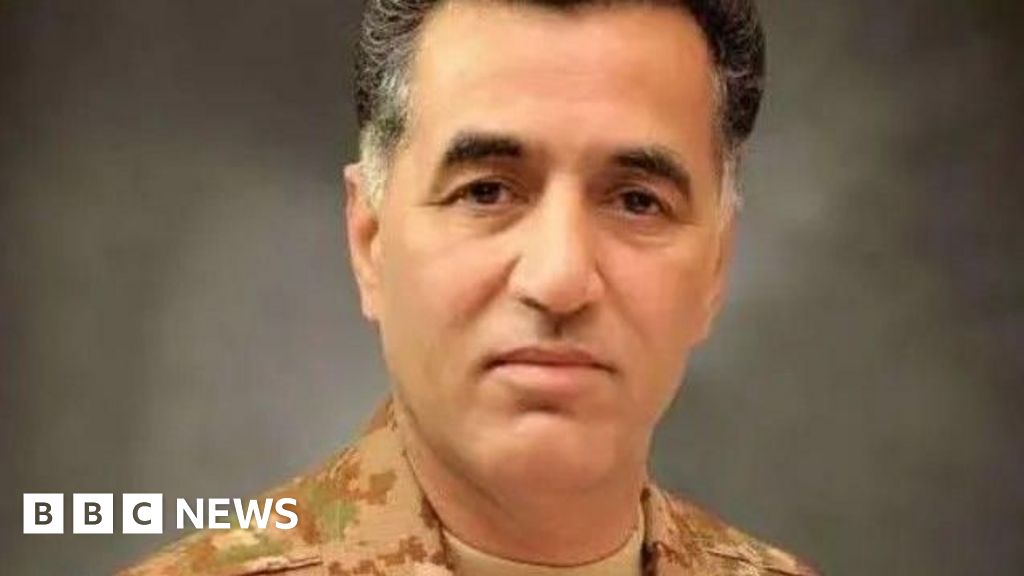
Pakistan’s former spy chief, Faiz Hameed, has been sentenced to 14 years in prison by a military court for charges that include violating state secrets and interfering in political affairs. The ruling marks a significant moment in Pakistan’s military history, as it is the first instance of an ISI chief being court-martialled.
Hameed, who led the Inter-Services Intelligence (ISI) agency from 2019 to 2021, was known for his strong support of the now-jailed former prime minister, Imran Khan. He took early retirement shortly after Khan was removed from office following a no-confidence vote in April 2022. The military court proceedings began on August 12, 2024, and were conducted under the Pakistan Army Act.
Charges and Court Proceedings
The military court tried Hameed on four specific charges. These included “involvement in political activities,” “violation of the Official Secrets Act,” “misuse of his powers and government resources,” and “causing harm to citizens.” According to a statement from the Inter-Services Public Relations (ISPR), Hameed was afforded the opportunity to assemble a defense team of his choice and retains the right to appeal the decision in the Supreme Court of Pakistan.
The details of the court proceedings remain largely undisclosed, as the hearings were held behind closed doors. The ISPR noted that Hameed’s alleged involvement in fostering political agitation and instability is being addressed in a separate context. This is presumed to relate to allegations concerning his connection to protests following the arrest of Imran Khan on May 9, 2023.
Implications for Military and Politics
The sentencing of Hameed could have profound implications for the relationship between Pakistan’s military and its political landscape. The ISI chief is traditionally viewed as one of the most powerful figures within the military hierarchy, often wielding substantial influence over both foreign and domestic policies.
This unprecedented court-martial also raises questions about accountability within Pakistan’s military ranks, particularly regarding the conduct of senior officials in relation to political affairs. The military’s decision to pursue legal action against a high-ranking figure like Hameed may signal a shift toward greater transparency and oversight in military operations.
As the situation unfolds, the potential for further political repercussions remains significant, particularly amid ongoing tensions surrounding Imran Khan’s previous administration and the current political climate in Pakistan. The coming weeks may reveal more about the broader implications of this landmark decision.

IOC Eases Restrictions for Russian, Belarusian Youth Athletes

Indivumed and University of Rochester Collaborate on Cancer Therapies

Ali Maaloul Leads Tunisia’s Charge in Africa Cup of Nations

Pakistan’s Military Court Sentences Former Spy Chief to 14 Years

Indivumed and University of Rochester Team Up for Cancer Research

Zimbabwe Faces Key Player Absences Ahead of Africa Cup of Nations

Noa Bravo, for readers who’d rather feel the moment than freeze it in a picture

Thai Sprinter Puripol Boonson Shatters 100m Barrier in SEA Games

DermRays Launches First VCSEL Diode Laser for Home Hair Removal

Humanism Camp Engages 250 Youths in Summer Fest 2025

Kenvue Dismisses CEO Thibaut Mongon as Strategic Review Advances

De Minaur Triumphs at Washington Open After Thrilling Comeback

Tupou and Daugunu Join First Nations Squad for Lions Clash

Colombian Senator Miguel Uribe Shows Signs of Recovery After Attack

ASEAN Gears Up for Historic Joint Meeting of Foreign and Economic Ministers

New Study Challenges Assumptions About Aging and Inflammation

Oil Prices Surge Following New EU Sanctions on Russia

Detaşe-Sabah Violin Ensemble Captivates at Gabala Music Festival
-
 Lifestyle5 months ago
Humanism Camp Engages 250 Youths in Summer Fest 2025
-
 Business5 months ago
Kenvue Dismisses CEO Thibaut Mongon as Strategic Review Advances
-
 Sports5 months ago
De Minaur Triumphs at Washington Open After Thrilling Comeback
-
 Sports5 months ago
Tupou and Daugunu Join First Nations Squad for Lions Clash
-
 Top Stories5 months ago
Colombian Senator Miguel Uribe Shows Signs of Recovery After Attack
-
 World5 months ago
ASEAN Gears Up for Historic Joint Meeting of Foreign and Economic Ministers
-
 Health5 months ago
New Study Challenges Assumptions About Aging and Inflammation
-
 Business5 months ago
Oil Prices Surge Following New EU Sanctions on Russia
-
 Entertainment5 months ago
Detaşe-Sabah Violin Ensemble Captivates at Gabala Music Festival
-

 Entertainment5 months ago
Baku Metro Extends Hours for Justin Timberlake Concert
-

 Business3 months ago
Starling Bank Plans Secondary Share Sale, Targeting $5.4 Billion Valuation
-
 World3 months ago
South Korea’s Foreign Minister Cho Hyun to Visit China This Week