
Politics
Nearly 900 Cyclists in Japan Lose Car Licences Due to Drunk Riding

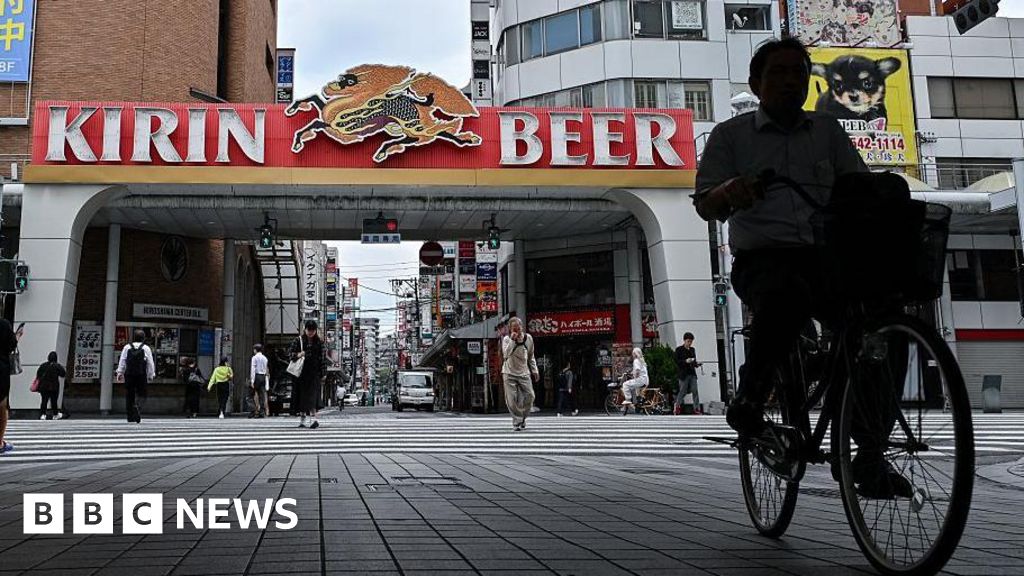
Japanese authorities have suspended the car driving licences of nearly 900 cyclists after they were caught riding under the influence of alcohol. This decision reflects a significant shift in traffic enforcement, as the number of suspended licences has increased sharply since the introduction of stricter regulations. The new laws, which took effect in November 2022, aim to address the dangers posed by intoxicated cyclists on the roads.
The recent surge in penalties is attributed to the revised legal framework that deems cyclists who ride under the influence as likely to pose a serious risk to themselves and others. Under the new regulations, those found cycling while intoxicated may face up to three years in prison or a maximum fine of 500,000 yen (approximately $3,200). The threshold for determining intoxication has also been lowered, allowing authorities to penalise cyclists with a breath alcohol concentration of 0.15 milligrams per litre or higher. Previously, fines were primarily enforced when cyclists demonstrated an inability to control their bikes.
Growing Concerns Over Road Safety
The increase in penalties comes amid rising concerns regarding road safety for cyclists, especially following a period of heightened bicycle usage during the pandemic. According to figures reported by the Mainichi, over 4,500 individuals were apprehended for riding bicycles while intoxicated between November 2022 and June 2023. This trend has contributed to an alarming statistic: more than 72,000 bicycle accidents were recorded in Japan in 2023, which accounted for over 20% of all traffic accidents nationwide.
A police official expressed serious concerns about the implications of drunk cycling, stating, “Drunk cycling can lead to serious accidents. I hope everyone will abide by the rule, ‘Don’t drink and ride.'” This sentiment underscores the broader public health challenge of ensuring safe cycling practices.
The new legislation also targets those who facilitate drunk cycling by offering alcohol to cyclists or providing bicycles to individuals who may ride under the influence. As part of ongoing efforts to enhance road safety, additional regulations set to take effect in April 2024 will impose fines for minor infractions, such as riding with an umbrella, using mobile phones, ignoring traffic signals, and cycling without adequate lighting at night.
Alcohol’s Cultural Significance
Alcohol has long played a significant role in social interactions in Japan, often serving as a medium for business discussions and personal conversations. The cultural acceptance of drinking contributes to the challenges faced by authorities in addressing the dangers of intoxicated cycling. As social norms evolve, the hope is that increased awareness and stricter penalties will foster safer behaviours among cyclists.
The Japanese government’s proactive stance on this issue highlights its commitment to improving public safety on the roads. As cycling continues to gain popularity as a mode of transportation, the implementation of these new regulations aims to balance the enjoyment of cycling with the essential need for safety.

Puripol Boonson Breaks 10s Barrier in Historic SEA Games Sprint

AC Milan Eyes Scudetto Momentum as Rivals Face Tough Away Matches

SpaceX Plans IPO Valued Over $1 Trillion, Investors Anticipate Surge

Shreya Ghoshal and Badshah Spark Fun with Samosa Challenge on Indian Idol 16

Indivumed and University of Rochester Expand Cancer Research Alliance

Chagee Unveils Cocoa Oolong Milk Tea with Hello Kitty Collaboration

Ken Chu Addresses Absence from F4 Reunion Tour Amid Controversy

Indivumed and University of Rochester Unite to Advance Cancer Research

Chagee Partners with Hello Kitty for Festive Cocoa Milk Tea Launch

Humanism Camp Engages 250 Youths in Summer Fest 2025

Kenvue Dismisses CEO Thibaut Mongon as Strategic Review Advances

De Minaur Triumphs at Washington Open After Thrilling Comeback

Tupou and Daugunu Join First Nations Squad for Lions Clash

Colombian Senator Miguel Uribe Shows Signs of Recovery After Attack

ASEAN Gears Up for Historic Joint Meeting of Foreign and Economic Ministers

New Study Challenges Assumptions About Aging and Inflammation

Oil Prices Surge Following New EU Sanctions on Russia

Detaşe-Sabah Violin Ensemble Captivates at Gabala Music Festival
-
 Lifestyle5 months ago
Humanism Camp Engages 250 Youths in Summer Fest 2025
-
 Business5 months ago
Kenvue Dismisses CEO Thibaut Mongon as Strategic Review Advances
-
 Sports5 months ago
De Minaur Triumphs at Washington Open After Thrilling Comeback
-
 Sports5 months ago
Tupou and Daugunu Join First Nations Squad for Lions Clash
-
 Top Stories5 months ago
Colombian Senator Miguel Uribe Shows Signs of Recovery After Attack
-
 World5 months ago
ASEAN Gears Up for Historic Joint Meeting of Foreign and Economic Ministers
-
 Health5 months ago
New Study Challenges Assumptions About Aging and Inflammation
-
 Business5 months ago
Oil Prices Surge Following New EU Sanctions on Russia
-
 Entertainment5 months ago
Detaşe-Sabah Violin Ensemble Captivates at Gabala Music Festival
-

 Entertainment5 months ago
Baku Metro Extends Hours for Justin Timberlake Concert
-

 Business3 months ago
Starling Bank Plans Secondary Share Sale, Targeting $5.4 Billion Valuation
-
 World3 months ago
South Korea’s Foreign Minister Cho Hyun to Visit China This Week