
Health
Can Somatic Therapy Transform How We Address Psychological Trauma?

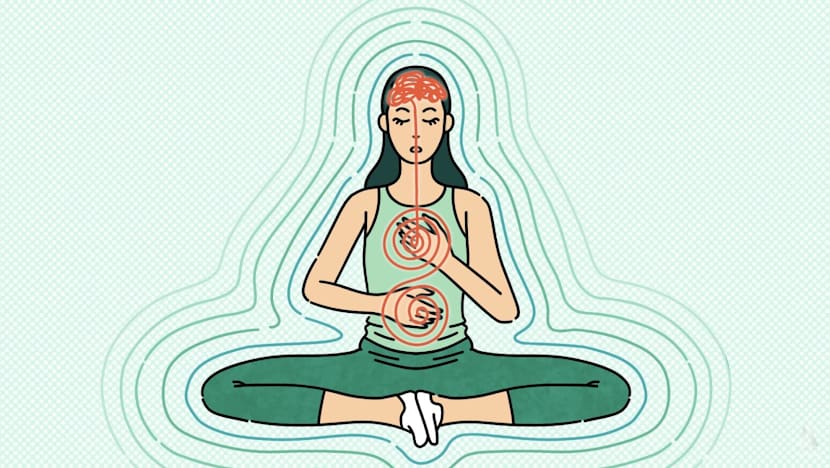
Psychologists are increasingly exploring the role of somatic therapy in addressing psychological issues that manifest physically. Symptoms like a tightening in the chest before a meeting or a racing heart in non-threatening situations highlight the connection between the mind and body. As trauma can reside not only in the mind but also in the body’s responses, somatic therapy offers a pathway to healing by focusing on these physical manifestations.
Somatic therapy, a body-based form of psychotherapy, is gaining attention as more individuals seek alternatives to traditional talk therapy. This approach emphasizes the idea that the body remembers trauma, which can result in chronic stress, tension, and a sense of disconnection from oneself. According to clinical mental health therapist Estee Ling, “Relational somatic therapy is rooted in the understanding that the body and mind are inseparable.” This therapy aims to help individuals regulate their nervous system and re-learn safety in their bodies, often serving as a precursor to traditional talk therapy.
Understanding the Impact of Trauma on the Body
Trauma can leave lasting imprints on an individual’s nervous system. Bessel van der Kolk, a notable psychiatrist, has emphasized in his book, The Body Keeps the Score, that unresolved trauma can lead to ongoing stress responses. Diandra Andersen, a counsellor at New Leaf Counselling and Integrative Health, explains that when the amygdala detects a threat, it triggers the body’s “fight, flight, or freeze” response. This reaction often occurs before the mind can process the situation, leading to patterns of tension or emotional numbness that persist long after the triggering event.
Somatic therapy addresses these unresolved responses by enabling clients to process trauma in manageable steps. This approach can help reduce the heightened state of alertness commonly associated with traumatic experiences, allowing individuals to regain a sense of control and connection with their bodies.
The Mechanisms of Somatic Therapy
Somatic therapy derives its name from the Greek word “soma,” meaning “body.” According to Kimberly Chew, a principal clinical psychologist at AO Psychology, this therapy helps individuals understand and regulate their nervous systems by paying attention to bodily sensations, tension, and breath. She notes that when the body does not complete its natural responses to trauma, it may retain this energy as tension or hypervigilance.
This method is particularly beneficial for those who have experienced developmental trauma or emotional neglect. Individuals often find it difficult to articulate their experiences verbally, making somatic therapy a valuable alternative. By focusing on bodily awareness rather than verbal storytelling, clients can release trapped energy and restore balance.
Practitioners caution that somatic therapy may not be suitable for everyone, particularly those who do not yet feel safe in their bodies. Conditions such as acute medical distress or active addiction may require a more gradual introduction to somatic therapy. Ms. Andersen emphasizes the importance of pacing, stating that trauma processing should be conducted with a trained therapist to ensure safety and avoid overwhelming the client.
Somatic therapy sessions typically involve “somatic tracking,” where clients learn to notice and interpret bodily signals. These sessions may include gentle movements, breathing exercises, and grounding techniques to help clients reconnect with their bodies. The focus is on creating a sense of safety, allowing individuals to feel calmer and more in control of their emotions.
As awareness of somatic therapy grows, it is increasingly recognized as a complementary approach to traditional therapies. Different therapeutic methods cater to various needs and experiences, offering multiple pathways for healing. While talk therapy may provide insights through conversation, somatic therapy addresses the physical aspects of trauma that may elude verbal expression.
Ultimately, somatic therapy aims to help individuals regain a sense of safety in their bodies, particularly after experiencing trauma or prolonged stress. Dr. Chew explains, “For many clients, insight alone isn’t the missing piece. It’s the ability to own their body without fear.” As clients cultivate this inner sense of safety, their nervous systems can begin to unwind, leading to improved emotional regulation and overall well-being.
In conclusion, somatic therapy represents a promising avenue for those seeking to heal from trauma. By bridging the gap between mind and body, this approach empowers individuals to reclaim their sense of self and navigate their emotional landscapes with greater ease.

India Unveils Long-Range Hypersonic Missile Amid Regional Tensions

SK bioscience Launches Global Trial for Universal Sarbecovirus Vaccine

Senegal Coach Pape Thiaw Suspended and Fined After Final Disruption

PAS Denies Abolishing Chairman Post, Contradicts Muhyiddin’s Claim

Mbappé Critiques Real Madrid’s Effort After Benfica Defeat

Thailand’s December Factory Output Surges 2.52% Year-on-Year

Ishita Dutta Reveals Her Parenting Secret: Strong Coffee

Older GPs Express Concerns Over New Digital Health Record Mandate

Urban Jurgensen: A 252-Year Legacy Enters a New Era

Regina Martinez Breaks New Ground for Mexico in Cross-Country Skiing

South Korea’s Foreign Minister Cho Hyun to Visit China This Week

Starling Bank Plans Secondary Share Sale, Targeting $5.4 Billion Valuation

Munsang College Celebrates 100 Years with Grand Ceremony

PAS Aims to Expand Parliamentary Influence in Upcoming Election

De Minaur Triumphs at Washington Open After Thrilling Comeback

Kenvue Dismisses CEO Thibaut Mongon as Strategic Review Advances

Humanism Camp Engages 250 Youths in Summer Fest 2025

Colombian Senator Miguel Uribe Shows Signs of Recovery After Attack
-
 Sports2 months ago
Regina Martinez Breaks New Ground for Mexico in Cross-Country Skiing
-
 World6 months ago
South Korea’s Foreign Minister Cho Hyun to Visit China This Week
-
 Business7 months ago
Starling Bank Plans Secondary Share Sale, Targeting $5.4 Billion Valuation
-
 Top Stories7 months ago
Munsang College Celebrates 100 Years with Grand Ceremony
-
 World6 months ago
PAS Aims to Expand Parliamentary Influence in Upcoming Election
-
 Sports8 months ago
De Minaur Triumphs at Washington Open After Thrilling Comeback
-
 Business8 months ago
Kenvue Dismisses CEO Thibaut Mongon as Strategic Review Advances
-
 Lifestyle8 months ago
Humanism Camp Engages 250 Youths in Summer Fest 2025
-
 Top Stories8 months ago
Colombian Senator Miguel Uribe Shows Signs of Recovery After Attack
-

 Sports8 months ago
Tupou and Daugunu Join First Nations Squad for Lions Clash
-
 World8 months ago
ASEAN Gears Up for Historic Joint Meeting of Foreign and Economic Ministers
-

 Health8 months ago
New Study Challenges Assumptions About Aging and Inflammation