
Business
Stocks Plummet as Tech Concerns Persist; Dollar Rises Slightly

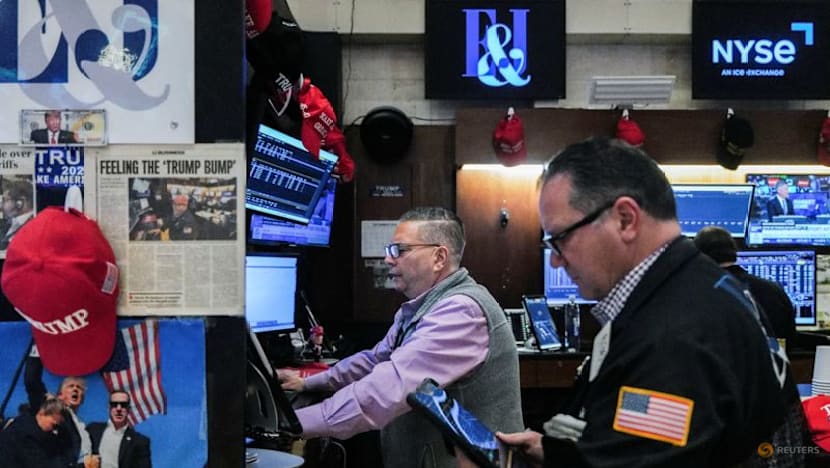
Major stock indexes experienced significant declines on December 12, 2023, as concerns surrounding the technology sector intensified. The drop came after a week marked by warnings from key players in the tech industry, notably cloud computing company Oracle and chipmaker Broadcom. Investors reacted cautiously to these developments, causing technology stocks to fall by 2.6 percent, the largest decline among major sectors in the S&P 500.
Oracle’s announcement of substantial spending and a weak outlook earlier this week contributed to growing unease. Adding to the negative sentiment, Broadcom issued a warning about its margins on December 11, further spurring investor anxiety. Shares of Broadcom fell by 12 percent, while Oracle’s stock decreased by 4.6 percent. AI leader Nvidia also faced a setback, with its shares down 2.4 percent.
Investor sentiment shifted following the U.S. Federal Reserve’s decision to cut interest rates by 25 basis points on December 10, 2023, despite signals that further reductions would be paused. The Fed’s decision was split, with a 9-3 vote reflecting differing views among policymakers. Concerns about a weakening labor market and persistent inflation have led many to speculate on the potential for additional cuts in 2026. Tony Welch, chief investment officer at SignatureFD in Atlanta, commented, “The data is very mixed right now, and these are individuals on the Fed with different projections and different thoughts around everything.”
The latest U.S. jobless claims data, released on December 11, indicated a significant increase in applications for unemployment benefits, marking the largest rise in nearly 4.5 years. This trend has heightened fears about the economy’s stability. In the UK, the Bank of England is anticipated to announce a rate cut next week, while the European Central Bank is expected to maintain current rates, despite speculation about potential hikes in 2026. Meanwhile, the Bank of Japan is projected to increase rates following strong indications from Governor Kazuo Ueda.
The Dow Jones Industrial Average fell by 211.75 points, or 0.43 percent, closing at 48,492.26. The S&P 500 decreased by 72.72 points, or 1.05 percent, settling at 6,828.25. The Nasdaq Composite saw a significant decline, down 378.01 points, or 1.60 percent, at 23,215.84. Globally, MSCI’s gauge of stocks dropped by 6.18 points, or 0.61 percent, down to 1,009.09, while the pan-European STOXX 600 index fell by 0.53 percent.
In the bond market, U.S. Treasury yields edged higher after two consecutive days of decline. The yield on the benchmark U.S. 10-year Treasury note rose by 4.5 basis points to 4.186 percent, marking a nearly 5 basis points increase for the week. This rise indicates a shift in market expectations, as Fed officials reiterated concerns about high inflation. German government bond yields also increased, reaching their highest level since March, as investors began pricing in potential rate hikes in the eurozone.
On the currency front, the U.S. dollar gained slightly against major currencies, recovering from recent losses but still on track for a third consecutive weekly decline. The dollar index, which measures the greenback against a basket of currencies, rose by 0.15 percent to 98.48. In contrast, the British pound weakened by 0.28 percent to $1.3348, following data indicating an unexpected contraction in the UK economy during the three months leading to October.
Commodity markets also faced turmoil, particularly in copper trading. After reaching a record high earlier in the trading session, copper prices plummeted by more than 3 percent due to renewed fears surrounding the potential collapse of the AI bubble. The benchmark three-month copper price on the London Metal Exchange fell as much as 3.5 percent to $11,451.50, settling down 2.8 percent at $11,537.50 by the end of the trading day. Meanwhile, U.S. crude oil prices dropped by 16 cents to close at $57.44 per barrel, with Brent crude also falling by 16 cents to $61.12.
As market participants continue to navigate a complex economic landscape, the interplay between interest rates, inflation, and technology sector performance remains critical in shaping future investment strategies.

Pritam Singh Issues Apology for Contemptuous Remarks on CNA

United Imaging Intelligence Unveils AI Innovations at RSNA 2025

Josh Hazlewood Aims for International Comeback After Injury Setback

US Stocks Decline as AI Sector Faces Investor Shift

Thailand and Cambodia Agree to Cease Fighting Following Turmoil

TSMC Investment Surge: Potential US$200 Billion and 30,000 Jobs

US Stocks Decline as AI Sector Faces Growing Pressure

Stocks Decline Sharply Amid Tech Concerns and Economic Signals

Stocks Plummet as Tech Concerns Persist; Dollar Rises Slightly

Humanism Camp Engages 250 Youths in Summer Fest 2025

Kenvue Dismisses CEO Thibaut Mongon as Strategic Review Advances

De Minaur Triumphs at Washington Open After Thrilling Comeback

Tupou and Daugunu Join First Nations Squad for Lions Clash

Colombian Senator Miguel Uribe Shows Signs of Recovery After Attack

New Study Challenges Assumptions About Aging and Inflammation

ASEAN Gears Up for Historic Joint Meeting of Foreign and Economic Ministers

Oil Prices Surge Following New EU Sanctions on Russia

Detaşe-Sabah Violin Ensemble Captivates at Gabala Music Festival
-
 Lifestyle5 months ago
Humanism Camp Engages 250 Youths in Summer Fest 2025
-
 Business5 months ago
Kenvue Dismisses CEO Thibaut Mongon as Strategic Review Advances
-
 Sports5 months ago
De Minaur Triumphs at Washington Open After Thrilling Comeback
-
 Sports5 months ago
Tupou and Daugunu Join First Nations Squad for Lions Clash
-
 Top Stories5 months ago
Colombian Senator Miguel Uribe Shows Signs of Recovery After Attack
-
 Health5 months ago
New Study Challenges Assumptions About Aging and Inflammation
-
 World5 months ago
ASEAN Gears Up for Historic Joint Meeting of Foreign and Economic Ministers
-
 Business5 months ago
Oil Prices Surge Following New EU Sanctions on Russia
-
 Entertainment5 months ago
Detaşe-Sabah Violin Ensemble Captivates at Gabala Music Festival
-
 World3 months ago
South Korea’s Foreign Minister Cho Hyun to Visit China This Week
-

 Business3 months ago
Starling Bank Plans Secondary Share Sale, Targeting $5.4 Billion Valuation
-

 Entertainment5 months ago
Baku Metro Extends Hours for Justin Timberlake Concert