
Politics
Nepal’s Army to Resume Talks with Protesters Over Interim Leader

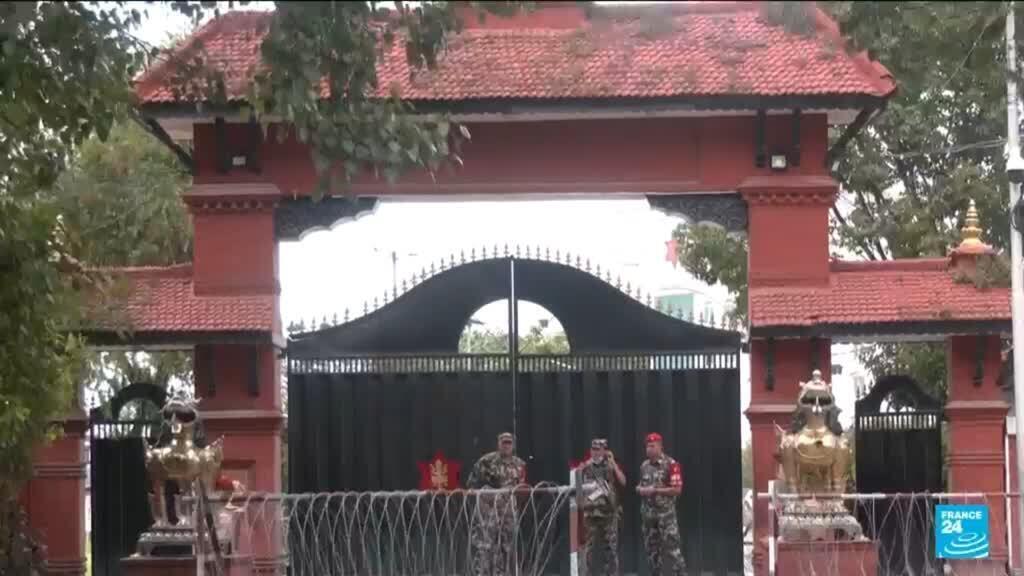
Nepal’s political landscape is shifting dramatically as the army prepares to resume negotiations on Thursday with protesters, known as “Gen Z,” regarding the appointment of a new interim leader. This decision follows a series of violent demonstrations that have resulted in at least 30 fatalities and led to the resignation of the prime minister.
The ongoing unrest was sparked by widespread dissatisfaction with the current government, prompting calls for significant political reforms. As tensions escalate, the Nepal Army’s role has become pivotal in facilitating dialogue between the government and the demonstrators.
Former Chief Justice Emerges as Leading Candidate
Former chief justice Sushila Karki is being viewed as the frontrunner for the interim leadership position. Her candidacy reflects a potential shift towards a more stable political environment, as her tenure on the Supreme Court has garnered respect across various sectors of society.
Karki’s experience in the judiciary may provide a sense of legitimacy and continuity during this transitional phase. Observers suggest that her leadership could help bridge the gap between the military, the government, and the protesters, fostering a more collaborative approach to governance.
Current Situation and Future Implications
The decision to engage in talks comes at a critical juncture for Nepal. The protests, which have captured national attention, highlight deep-rooted frustrations among the populace regarding government accountability and transparency. As discussions unfold, the army’s ability to mediate effectively will be crucial in restoring order and ensuring that citizens’ voices are heard.
The negotiations are expected to address not only the immediate need for leadership but also the underlying issues that have fueled discontent. A successful outcome could lead to a more inclusive political framework, potentially reshaping Nepal’s future governance.
As the situation develops, national and international observers will be closely monitoring the talks, evaluating their implications for Nepal’s stability and democratic processes. The actions taken in the coming days will be instrumental in determining how the country navigates this challenging period.

Tisca Chopra Takes the Helm: Directs ‘Saali Mohabbat’ Debut

Dr. Richa Kumar Introduces Innovative Rhinoplasty Treatment in Delhi

Trump Awarded Inaugural FIFA Peace Prize for Global Mediation Efforts

Drashti Dhami Showcases Intense Workout Routine on Instagram

Experts Assess Risks of Occasional Binge Drinking During Holidays

Dr. Sandeep Marwah to Lead 18th Global Film Festival Noida 2025

Japan’s Missile Sale to Boost Philippines’ Defense Strategy

Singapore Commits S$37 Billion to Research and Innovation Over 5 Years

Australia Extends Lead to 116 Runs in Second Ashes Test

Kenvue Dismisses CEO Thibaut Mongon as Strategic Review Advances

Humanism Camp Engages 250 Youths in Summer Fest 2025

De Minaur Triumphs at Washington Open After Thrilling Comeback

Tupou and Daugunu Join First Nations Squad for Lions Clash

Colombian Senator Miguel Uribe Shows Signs of Recovery After Attack

ASEAN Gears Up for Historic Joint Meeting of Foreign and Economic Ministers

New Study Challenges Assumptions About Aging and Inflammation

Oil Prices Surge Following New EU Sanctions on Russia

Detaşe-Sabah Violin Ensemble Captivates at Gabala Music Festival
-
 Business5 months ago
Kenvue Dismisses CEO Thibaut Mongon as Strategic Review Advances
-
 Lifestyle4 months ago
Humanism Camp Engages 250 Youths in Summer Fest 2025
-
 Sports4 months ago
De Minaur Triumphs at Washington Open After Thrilling Comeback
-
 Sports5 months ago
Tupou and Daugunu Join First Nations Squad for Lions Clash
-
 Top Stories5 months ago
Colombian Senator Miguel Uribe Shows Signs of Recovery After Attack
-
 World5 months ago
ASEAN Gears Up for Historic Joint Meeting of Foreign and Economic Ministers
-
 Health4 months ago
New Study Challenges Assumptions About Aging and Inflammation
-
 Business5 months ago
Oil Prices Surge Following New EU Sanctions on Russia
-
 Entertainment4 months ago
Detaşe-Sabah Violin Ensemble Captivates at Gabala Music Festival
-

 Entertainment4 months ago
Baku Metro Extends Hours for Justin Timberlake Concert
-

 Top Stories5 months ago
Rethinking Singapore’s F&B Regulations Amid Business Closures
-
 Business5 months ago
U.S. House Approves Stablecoin Bill, Sends to Trump for Signature