
Business
Foreign Workers Propel Euro Zone Economy, ECB Chief Lagarde Reports

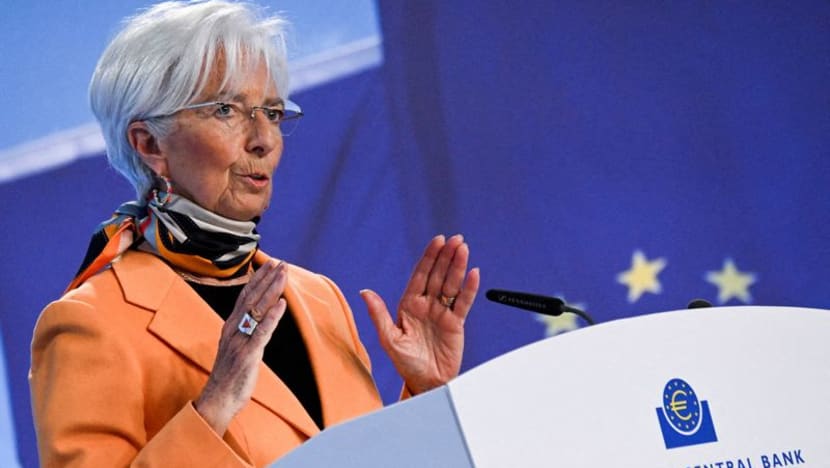
An influx of foreign workers has significantly bolstered the euro zone’s economy in recent years, according to European Central Bank President Christine Lagarde. Speaking at the US Federal Reserve’s annual symposium in Jackson Hole, Wyoming on August 23, 2023, Lagarde highlighted that this demographic shift has helped alleviate challenges such as shorter working hours and declining real wages across the region.
Migration into the European Union has reached a record level, contributing to a population of 450.4 million in the EU last year, despite a decline in natural births. However, the increasing number of arrivals has prompted some governments to impose restrictions in response to rising domestic discontent.
Lagarde pointed out that foreign workers, although constituting only about 9 percent of the total labour force in 2022, accounted for half of the labour market growth over the past three years. She stated, “Without this contribution, labour market conditions could be tighter and output lower.” Her remarks underscore the integral role that foreign labour plays in sustaining economic activity within the euro zone.
The impact of foreign workers is particularly evident in Germany. Lagarde noted that the country’s gross domestic output would be approximately 6 percent lower than in 2019 without their contributions. Similarly, she credited Spain’s robust economic recovery post-COVID-19 to the support provided by foreign labour.
While the influx of foreign workers has provided economic benefits, it has also led to political repercussions. Many voters have expressed dissatisfaction, resulting in a shift towards far-right parties. The Alternative for Germany, for example, has gained traction as the German government suspends family reunification and resettlement programmes to mitigate domestic concerns.
The situation in the EU reflects broader global trends regarding immigration and economic growth. As countries grapple with the balance between welcoming newcomers and addressing the concerns of local populations, the economic contributions of foreign workers remain a critical factor in discussions surrounding labour markets and policy decisions.
Lagarde’s observations provide a nuanced perspective on the dynamics of immigration, economic performance, and the political landscape, highlighting the importance of foreign workers in shaping the future of the euro zone’s economy.

Drashti Dhami Showcases Intense Workout Routine on Instagram

Experts Assess Risks of Occasional Binge Drinking During Holidays

Dr. Sandeep Marwah to Lead 18th Global Film Festival Noida 2025

Japan’s Missile Sale to Boost Philippines’ Defense Strategy

Singapore Commits S$37 Billion to Research and Innovation Over 5 Years

Australia Extends Lead to 116 Runs in Second Ashes Test

Takaichi’s Leadership: A New Era for Japan’s Indo-Pacific Strategy

Singapore Commits S$37 Billion to Boost Research and Innovation

Bayern’s Luis Diaz Sees Champions League Ban Cut to Two Matches

Humanism Camp Engages 250 Youths in Summer Fest 2025

Kenvue Dismisses CEO Thibaut Mongon as Strategic Review Advances

De Minaur Triumphs at Washington Open After Thrilling Comeback

Tupou and Daugunu Join First Nations Squad for Lions Clash

Colombian Senator Miguel Uribe Shows Signs of Recovery After Attack

ASEAN Gears Up for Historic Joint Meeting of Foreign and Economic Ministers

New Study Challenges Assumptions About Aging and Inflammation

Oil Prices Surge Following New EU Sanctions on Russia

Detaşe-Sabah Violin Ensemble Captivates at Gabala Music Festival
-
 Lifestyle4 months ago
Humanism Camp Engages 250 Youths in Summer Fest 2025
-
 Business5 months ago
Kenvue Dismisses CEO Thibaut Mongon as Strategic Review Advances
-
 Sports4 months ago
De Minaur Triumphs at Washington Open After Thrilling Comeback
-
 Sports5 months ago
Tupou and Daugunu Join First Nations Squad for Lions Clash
-
 Top Stories5 months ago
Colombian Senator Miguel Uribe Shows Signs of Recovery After Attack
-
 World5 months ago
ASEAN Gears Up for Historic Joint Meeting of Foreign and Economic Ministers
-
 Health4 months ago
New Study Challenges Assumptions About Aging and Inflammation
-
 Business5 months ago
Oil Prices Surge Following New EU Sanctions on Russia
-
 Entertainment4 months ago
Detaşe-Sabah Violin Ensemble Captivates at Gabala Music Festival
-

 Entertainment4 months ago
Baku Metro Extends Hours for Justin Timberlake Concert
-
 Top Stories5 months ago
Rethinking Singapore’s F&B Regulations Amid Business Closures
-
 Business5 months ago
U.S. House Approves Stablecoin Bill, Sends to Trump for Signature